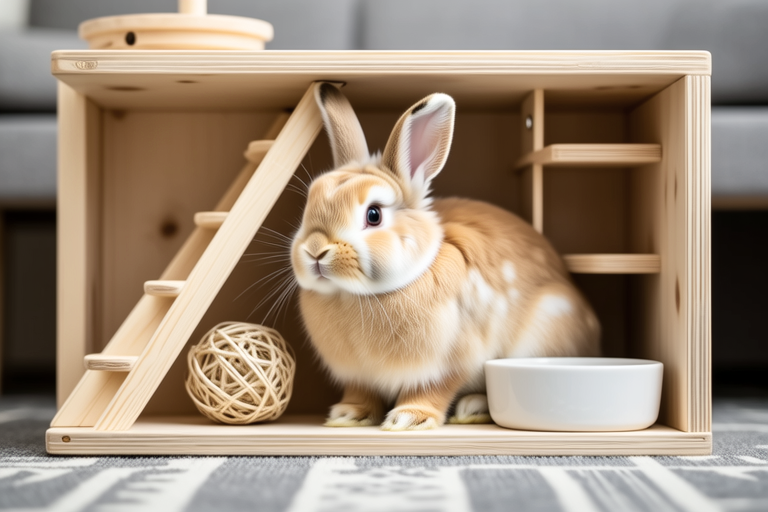
Hamster Habitat Hacks: Transform Your Pet’s Home
Welcome to the world of hamster habitat hacking! Whether you’re a first-time owner or a seasoned hamster enthusiast, enhancing your pet’s living environment is key to their health and happiness. This guide will provide you with innovative ideas to transform your hamster’s home into a safe, comfortable, and enriching space.
Choosing Safe and Stimulating Toys
Toys are essential for keeping your hamster mentally and physically active. Opt for toys that are both safe and stimulating. Avoid anything with small parts that could be swallowed, sharp edges, or materials that might shed toxic fumes. Consider options like chew sticks, exercise wheels, and tunnels.
- Chew Sticks: Hamsters have continuously growing teeth, so providing them with chew sticks helps keep their teeth at a healthy length. Look for untreated wood sticks or pet-safe chew toys.
- Exercise Wheels: An exercise wheel is a must-have for hamsters, as they are natural runners. Ensure the wheel has a solid surface to prevent injuries and is large enough for your hamster to run comfortably.
- Tunnels: Tunnels provide a sense of security and exploration for your hamster. They can also be used for hiding and playing.
Rotate toys regularly to maintain your hamster’s interest and stimulate different behaviors. Remember, safety always comes first when selecting toys.
Optimal Bedding Choices
The right bedding is crucial for your hamster’s comfort and well-being. Choose bedding that is soft, absorbent, and dust-free to prevent respiratory issues. Popular choices include paper-based bedding, fleece, and shredded paper.
- Paper-Based Bedding: Absorbent and dust-free, paper-based bedding is an excellent choice for hamsters. It is also eco-friendly and easy to dispose of.
- Fleece: Fleece provides a cozy, soft sleeping area for your hamster. However, ensure it is free from loose threads that could be ingested.
- Shredded Paper: Shredded paper is another great option for bedding. It is inexpensive and easy to find. Make sure it is unprinted and chemical-free.
Regularly clean the bedding to maintain hygiene and prevent odors. A clean living space promotes better health and reduces stress for your hamster.
DIY Tunnels and Hideouts
Creating DIY tunnels and hideouts can add a personal touch to your hamster’s habitat while providing additional enrichment. These structures offer hiding spots, nesting areas, and opportunities for exploration.
- Cardboard Tubes: Cardboard tubes from paper towel rolls or toilet paper rolls make perfect tunnels. Simply cut them to size and arrange them in your hamster’s cage. Ensure the tubes are clean and free from tape or glue.
- Ceramic Flower Pots: Ceramic flower pots can be turned into cozy hideouts by drilling small ventilation holes and placing them upside down. This provides a secure place for your hamster to rest.
- Bamboo Structures: Bamboo poles and branches can be arranged to form climbing structures and tunnels. Ensure the bamboo is clean and free from pesticides.
DIY projects allow you to customize your hamster’s habitat according to their preferences and needs. Always supervise your hamster during playtime to ensure they are safe and comfortable.
Balanced Food Storage Solutions
Proper food storage is vital for maintaining a balanced diet and preventing spoilage. Store food in airtight containers to protect it from moisture, pests, and contamination. Label each container with the type of food and the date it was opened.
- Airtight Containers: Use glass jars or plastic containers with tight-fitting lids to store food. This keeps the food fresh and prevents pests from getting into it.
- Labeling: Label each container with the type of food and the date it was opened. This helps you track expiration dates and rotate food properly.
- Portion Control: Use small, reusable containers to portion out food for daily feeding. This ensures your hamster gets the right amount of food and prevents overfeeding.
Maintaining a balanced diet is crucial for your hamster’s overall health. Consult with a veterinarian to determine the best diet for your pet and adjust accordingly.
Maintaining Cleanliness Without Stress
Keeping your hamster’s habitat clean is essential for their health and happiness. Regular cleaning prevents odors, reduces the risk of illness, and maintains a stress-free environment for your pet.
- Weekly Cleaning: Clean the entire habitat once a week. Remove all bedding, toys, and accessories, and wash the cage with a mild, pet-safe disinfectant. Rinse thoroughly and dry before replacing the bedding and accessories.
- Daily Spot Cleaning: Perform daily spot cleaning to remove soiled bedding, uneaten food, and waste. This helps control odors and keeps the habitat fresh.
- Safe Handling: When cleaning, handle your hamster gently and place them in a secure area away from drafts and noise. This minimizes stress and ensures their safety.
By following these steps, you can maintain a clean and comfortable environment for your hamster without causing undue stress.
Emphasizing Safety, Comfort, and Enrichment
Throughout any habitat modifications, prioritize safety, comfort, and enrichment. Ensure all additions are safe for your hamster and promote their physical and mental well-being. Regularly check the habitat for potential hazards and address any issues promptly.
- Safety: Avoid anything that could harm your hamster, such as small parts, sharp edges, or toxic materials. Always supervise your hamster during playtime to ensure they are safe and comfortable.
- Comfort: Provide a cozy sleeping area with soft bedding and plenty of hiding spots. Ensure the temperature in the habitat is适宜的,避免过热或过冷。
- Enrichment: Offer a variety of toys, tunnels, and activities to keep your hamster mentally and physically stimulated. Rotate toys regularly to maintain their interest and stimulate different behaviors.
By focusing on safety, comfort, and enrichment, you can create a habitat that promotes your hamster’s health and happiness.
Practical Advice for Both Novice and Experienced Owners
Whether you’re a first-time owner or a seasoned hamster enthusiast, there are always new ways to improve your pet’s living environment. Here are some practical tips for both novice and experienced owners:
- Novice Owners: Start with the basics and gradually introduce new elements to your hamster’s habitat. This allows you to observe your pet’s reactions and adjust accordingly.
- Experienced Owners: Experiment with different materials and designs to create a unique and personalized habitat for your hamster. Share your experiences and tips with other owners to help them improve their pets’ living environments.
Remember, the key to a happy and healthy hamster is a safe, comfortable, and enriching living environment. By following these guidelines, you can create a habitat that promotes your pet’s well-being and enhances their quality of life.
