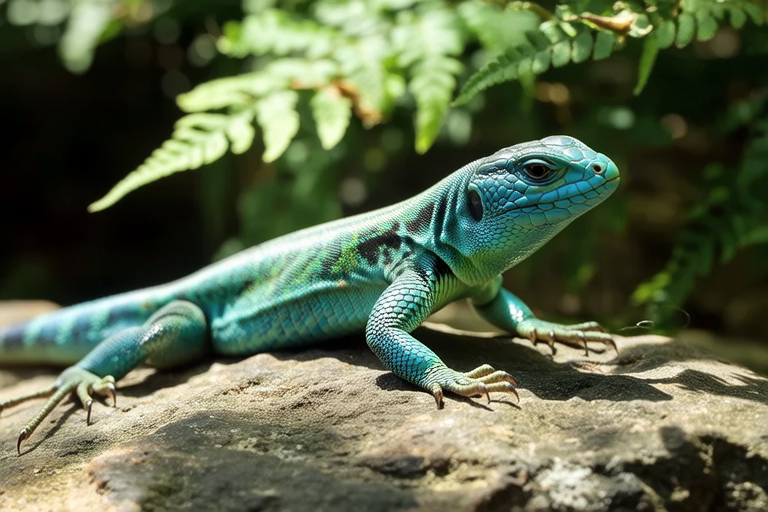
Everything You Ever Wanted to Know About Caring for a Splendid Japalure
The Origins and History of the Japalure Breed
The Japalure is a fascinating breed that originated from the crossbreeding of Japanese Bobtail and LaPerm cats. This unique combination has resulted in a cat that is both striking in appearance and delightful in personality. The history of the Japalure dates back to the late 20th century when breeders sought to combine the distinctive physical traits of the Japanese Bobtail with the curly coat of the LaPerm.
Japanese Bobtails have been cherished in Japan for centuries, known for their good luck and companionship. LaPerms, on the other hand, are a relatively new breed that gained recognition in the 1980s due to their strikingly soft and wavy fur. The result of this breeding is the Japalure, a breed that embodies the best of both worlds.
Unique Physical Characteristics
Japalures are easily recognizable by their short, bobbed tails and curly coats. Their eyes are large and expressive, often complementing their distinctively shaped faces. These cats come in a variety of colors and patterns, making each one unique. The Japalure’s coat can range from soft and silky to slightly more textured, depending on individual genetics.
One of the most striking features of the Japalure is its tail. Unlike many other breeds, the Japalure’s tail is short and kinked, adding to its charm. This tail is a result of a natural genetic mutation found in the Japanese Bobtail.
Temperament and Personality
Japalures are known for their playful and affectionate nature. They are highly sociable and enjoy being around people, making them excellent companions. Their playful demeanor often leads them to engage in interactive play, which can help keep them physically and mentally stimulated. However, they also appreciate quiet moments and will happily curl up beside you for a nap.
These cats are generally good with children and other pets, provided they are introduced gradually and in a positive manner. Their adaptable and friendly nature makes them suitable for various household settings.
Dietary Needs
Proper nutrition is essential for maintaining the health and vitality of your Japalure. A balanced diet should include high-quality proteins, fats, carbohydrates, vitamins, and minerals. Consult with your veterinarian to determine the best food for your cat based on its age, weight, and overall health.
Ensure fresh water is always available, as hydration is crucial for your cat’s well-being. Additionally, consider incorporating occasional treats into your Japalure’s diet, but do so sparingly to avoid excessive weight gain.
Housing and Exercise Requirements
Adequate space and stimulation are vital for your Japalure’s happiness and health. Provide scratching posts, climbing structures, and toys to encourage physical activity and mental engagement. Japalures enjoy exploring their environment, so ensure your home is safe and secure for them to roam freely.
Regular play sessions with interactive toys can help satisfy their natural hunting instincts and provide necessary exercise. Aim for at least 15 to 30 minutes of playtime each day.
Grooming Tips
The Japalure’s curly coat requires regular grooming to maintain its beauty and prevent matting. Brush your cat several times a week using a slicker brush or comb designed for curly coats. Pay special attention to areas where mats may form, such as behind the ears and under the legs.
Bathing your Japalure should be done infrequently, typically only when necessary. Over-bathing can strip the coat of its natural oils, leading to dryness and irritation. Use a gentle, pH-balanced shampoo specifically formulated for cats.
Common Health Issues and Prevention
Like all breeds, Japalures are prone to certain health issues. Regular veterinary check-ups are essential for early detection and treatment of any potential problems. Some common health concerns include dental disease, obesity, and joint issues due to their unique tail structure.
To prevent these issues, maintain a healthy diet, ensure regular exercise, and practice good oral hygiene. Brush your cat’s teeth regularly or provide dental chews to promote oral health. Keep an eye on your Japalure’s weight and adjust its diet if necessary to prevent obesity.
Training and Socializing Your Japalure
Training your Japalure can be a fun and rewarding experience. Positive reinforcement techniques, such as treats and praise, work well for teaching basic commands and encouraging good behavior. Start training sessions when your cat is young to establish a strong bond and reinforce desired behaviors.
Socialization is equally important, especially if you plan to introduce your Japalure to other pets or visitors. Expose your cat to various environments, sounds, and people from an early age to help it become comfortable and confident in different situations.
Rewarding Aspects of Owning a Japalure
Owning a Japalure is a truly enriching experience. Their playful and affectionate nature makes them delightful companions. Watching them interact with their environment and observe their unique behaviors can bring endless joy.
Moreover, caring for a Japalure can deepen your connection with your pet. By understanding and meeting their specific needs, you contribute to their overall well-being and happiness. This bond can lead to a fulfilling and rewarding relationship.
Resources for Further Learning
For those interested in learning more about Japalures, there are numerous resources available. Books, magazines, and online forums dedicated to cat care and specific breeds can provide valuable information. Local cat clubs and breed associations often offer seminars and workshops that can enhance your knowledge and skills in caring for your Japalure.
Additionally, consulting with veterinarians who specialize in feline care can provide personalized advice tailored to your cat’s needs. Engaging with other Japalure owners through social media groups or local meetups can also offer support and insights.
