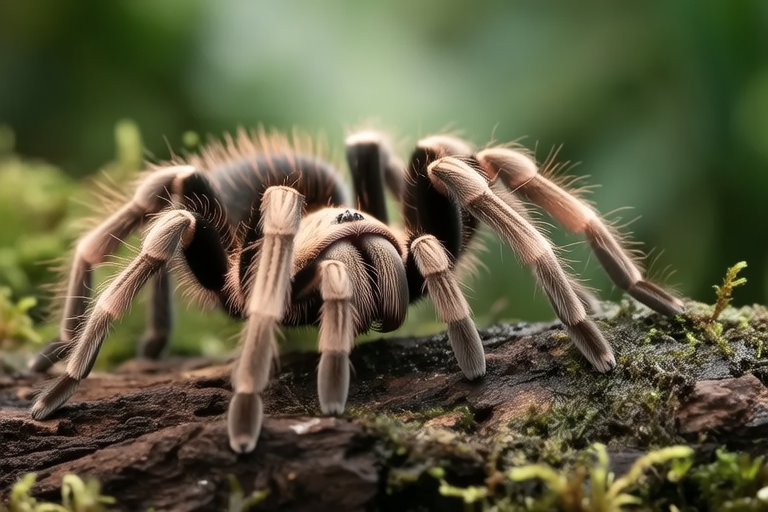
Tarantulas Unleashed: A Journey into the World of These Fascinating Arachnids
Welcome to the fascinating world of tarantulas! Often misunderstood and feared, these large, hairy spiders are actually quite gentle and beneficial to their environments. With over 900 species found worldwide, tarantulas exhibit incredible diversity in size, coloration, and habitat. This article will delve into the lives of these intriguing arachnids, dispelling common myths and exploring their unique adaptations, behaviors, and roles in ecosystems.
Diversity and Misconceptions
Tarantulas belong to the family Theraphosidae and are found across every continent except Antarctica. They range from the tiny Brachypelma hamorii, which barely reaches 3 cm in length, to the massive Theraphosa blondi, also known as the Goliath birdeater, which can weigh up to 170 grams and measure over 30 cm in leg span. Despite their intimidating appearance, most tarantulas are docile and pose no threat to humans unless provoked.
One of the most pervasive misconceptions about tarantulas is that they are aggressive predators capable of attacking humans. In reality, tarantulas prefer to avoid confrontation and will only bite if threatened. Another myth is that all tarantulas can shoot hairs from their abdomens as a defense mechanism. While many New World tarantulas can indeed release irritating hairs when disturbed, Old World tarantulas lack this ability.
Habitats and Diet
Tarantulas inhabit a wide variety of environments, from deserts to rainforests. Many species are terrestrial, living in burrows or silk-lined retreats under rocks and logs. Others are arboreal, constructing webs high in trees. The specific habitat requirements vary depending on the species, but most tarantulas prefer warm, humid climates.
These arachnids are opportunistic hunters, feeding primarily on insects, small vertebrates, and other invertebrates. They use their powerful legs to pounce on prey and inject venom through their fangs to immobilize it. Tarantulas have poor eyesight and rely heavily on vibrations to detect movement. Once they’ve captured their prey, they inject digestive enzymes before sucking out the liquefied nutrients.
Unique Adaptations for Survival
Tarantulas have evolved several remarkable adaptations that enable them to thrive in diverse environments. Their dense, velvety fur serves multiple purposes, including camouflage, temperature regulation, and protection against predators. Some species also possess urticating hairs, which they can flick off their bodies at attackers. When handled roughly, these hairs can cause irritation and discomfort to the handler.
In addition to their defensive mechanisms, tarantulas have developed specialized respiratory and circulatory systems. Their book lungs allow them to breathe efficiently even in low-oxygen environments, while their open circulatory system ensures rapid distribution of nutrients throughout their bodies.
Tarantula Behavior
Despite their solitary nature, tarantulas exhibit complex behaviors that reflect their social instincts. Males often engage in elaborate courtship dances to attract females, sometimes involving intricate leg movements and vibrational signals. Females, in turn, may respond with aggression if they are not receptive. After mating, males typically die within weeks, while females can live for decades.
Tarantulas also display territorial behavior, marking their burrows with scent glands and defending them against intruders. During periods of inactivity, they may enter a state of dormancy, reducing their metabolic rate and conserving energy. This adaptation allows them to survive harsh environmental conditions, such as droughts or cold snaps.
Reproduction and Ecosystem Role
The reproductive cycle of tarantulas is both fascinating and crucial to understanding their role in ecosystems. Female tarantulas lay between 50 and 1,000 eggs, depending on the species, and guard them diligently until they hatch. Once hatched, spiderlings remain with their mother for several weeks before dispersing to establish their own territories.
Tarantulas play vital roles in maintaining ecological balance by controlling insect populations and serving as prey for larger predators. Their presence in an ecosystem indicates a healthy environment, and their absence could lead to imbalances in food chains. By contributing to nutrient cycling and soil health, tarantulas also support plant growth and biodiversity.
Pet Care for Tarantula Enthusiasts
If you’re considering keeping tarantulas as pets, it’s essential to understand their care requirements. Housing your tarantula in an appropriately sized enclosure with the right substrate, temperature, and humidity levels is critical for its well-being. Feeding them a balanced diet of live insects and providing occasional treats like pinky mice or mealworms will ensure they remain healthy.
Handling your tarantula gently and frequently helps them become accustomed to human interaction, making it easier to care for them. Always wash your hands before and after handling to prevent transferring oils or chemicals that could harm your pet. With proper care, tarantulas can live for many years, providing companionship and fascination for their owners.
Conservation Efforts and How You Can Help
Unfortunately, many tarantula species face threats due to habitat loss, climate change, and overcollection for the pet trade. Conservation efforts focus on protecting natural habitats, regulating trade, and promoting sustainable practices among collectors and breeders. By supporting organizations dedicated to tarantula conservation, participating in citizen science projects, and spreading awareness about these amazing creatures, we can help ensure their survival for future generations.
As stewards of the planet, it’s our responsibility to protect all forms of life, including tarantulas. By learning more about these fascinating arachnids and taking action to conserve their habitats, we can make a difference in their future. Whether you’re an experienced arachnid enthusiast or just beginning to explore the world of tarantulas, there’s always more to discover about these incredible creatures.
