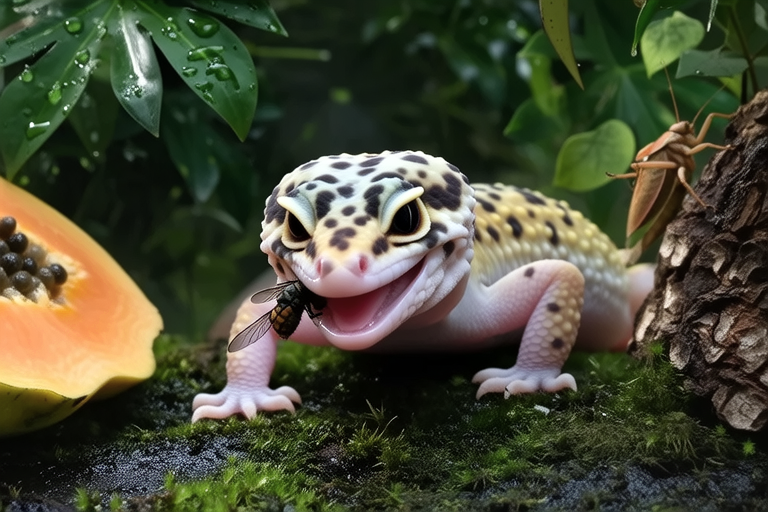
Chameleon Diet: What They Eat and Why It Matters!
Introduction to Chameleons and Their Dietary Needs
Chameleons, known for their ability to change color and their unique physical traits, are fascinating creatures that have captured the hearts of many reptile enthusiasts. These lizards belong to the family Chamaeleonidae and are native to Africa, Madagascar, southern Europe, and across Asia to Sri Lanka. Chameleons come in various sizes, from the tiny Brookesia minima, which measures less than an inch, to the larger Parson’s chameleon, which can grow up to two feet long. Despite their diverse appearances, all chameleons share a common need for a balanced diet rich in nutrients.
Understanding the dietary requirements of chameleons is crucial for their health, growth, and longevity. A well-balanced diet ensures that these reptiles receive the necessary vitamins, minerals, and proteins to thrive in captivity. In the wild, chameleons are primarily insectivores, consuming a wide variety of insects such as crickets, grasshoppers, and caterpillars. However, their diet may also include plant matter, especially during times when insect availability is low. In captivity, it is essential to replicate this diverse diet to maintain the health of pet chameleons.
Detailed List of Foods That Make Up a Healthy Chameleon Diet
Insects
- Crickets: Crickets are one of the most commonly fed insects to chameleons. They are high in protein and relatively easy to find in pet stores. However, it is important to gut load them with nutritious vegetables before feeding them to your chameleon.
- Rolling roaches: These insects are excellent sources of calcium and protein. They are easier for chameleons to catch and consume compared to crickets.
- Locusts: Also known as grasshoppers, locusts provide a good balance of nutrients and are particularly beneficial for larger chameleons.
- Waxworms: While these are high in fat and should be offered sparingly, they can serve as occasional treats for chameleons.
Plants
- Broadleaf hibiscus: This plant is rich in calcium and is safe for chameleons to eat. It can be used as a supplement to their insect-based diet.
- Edible flowers: Certain flowers like nasturtiums and pansies can be offered to chameleons as part of their diet. They provide additional nutrients and variety.
Supplements
- Multivitamins: Multivitamin powders can be sprinkled over insects to ensure that chameleons receive a full spectrum of vitamins.
- Calcium powder: Calcium is essential for bone health and muscle function. It is often dusted onto insects to prevent metabolic bone disease (MBD).
Nutritional Value of Each Food Type for Chameleons
Insects: Insects are the primary source of protein for chameleons. Protein is vital for muscle development, tissue repair, and overall growth. Different insects offer varying levels of protein. For example, crickets contain approximately 20% protein, while locusts can offer around 22%. In addition to protein, insects also provide other essential nutrients such as vitamins and minerals.
Plants: Plants contribute to the fiber intake of chameleons and can help maintain digestive health. Broadleaf hibiscus, for instance, is rich in calcium, which is crucial for bone strength. Edible flowers can add color and variety to their diet, providing additional nutrients.
Supplements: Multivitamins and calcium powders are used to address any potential deficiencies in the chameleon’s diet. Multivitamins ensure that the chameleon receives a balanced intake of essential vitamins, while calcium powders prevent conditions like MBD, which can lead to weakened bones and paralysis.
Importance of a Varied Diet for Chameleons’ Health, Growth, and Longevity
A varied diet is essential for the overall health, growth, and longevity of chameleons. Providing a diverse range of food items ensures that chameleons receive a broad spectrum of nutrients. This diversity helps prevent nutrient imbalances and deficiencies that can lead to serious health issues. For example, a lack of calcium can result in MBD, while insufficient protein can hinder muscle development and growth.
Feeding a variety of insects and plant matter also stimulates natural hunting behaviors, which can reduce stress and promote mental well-being. Additionally, a varied diet can help prevent boredom and encourage natural foraging instincts, contributing to the overall happiness and health of captive chameleons.
Common Feeding Mistakes and How They Can Affect Chameleon Health
Several common feeding mistakes can negatively impact the health of chameleons. One of the most prevalent errors is overfeeding, which can lead to obesity and related health problems. Another mistake is feeding inappropriate or toxic insects, such as mealworms or fireflies, which can be harmful to chameleons. Additionally, failing to properly gut load insects before feeding can result in nutrient deficiencies.
Improper supplementation can also cause significant harm. Over-supplementation with calcium can lead to hypercalcemia, while under-supplementation can result in MBD. It is crucial to follow the recommended dosages and frequency for supplements to avoid these issues.
Tips for Preparing and Offering Food to Ensure Optimal Nutrition Absorption
To ensure optimal nutrition absorption, it is important to prepare and offer food correctly. Gut loading insects with nutritious vegetables for at least 24 hours before feeding is a key step. This process enhances the nutritional value of the insects, ensuring that chameleons receive the maximum benefit from their meals.
It is also advisable to offer a variety of insects and plant matter to cater to different nutritional needs. Dusting insects with multivitamins and calcium powders can further enhance their nutritional profile. Additionally, maintaining proper hydration by misting the enclosure daily and providing a water dish can aid in digestion and nutrient absorption.
Conclusion: Summarizing Key Points and Stressing the Significance of Proper Diet in Chameleon Care
The diet of a chameleon plays a pivotal role in its health, growth, and longevity. Understanding the nutritional needs of these fascinating creatures and providing a well-balanced diet is essential for their well-being. By incorporating a variety of insects, plant matter, and supplements into their diet, chameleon owners can ensure that their pets receive the necessary nutrients for optimal health.
Avoiding common feeding mistakes and following proper preparation and feeding techniques can further enhance the nutritional value of the food provided. With the right diet, chameleons can thrive in captivity, leading longer and healthier lives. Proper diet management is a critical aspect of chameleon care and should not be overlooked.
