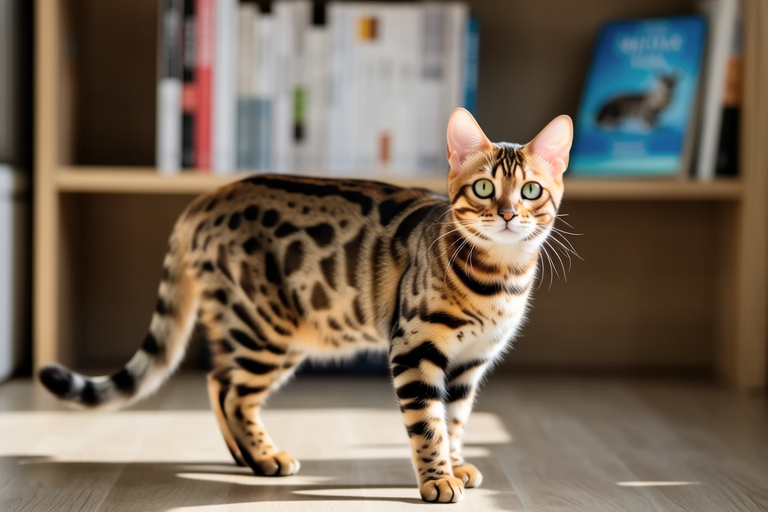
Top 10 Myths About Bengal Cats Debunked
Bengal cats have gained immense popularity over the years, captivating cat lovers with their striking appearance and unique personality. Known for their leopard-like spots and wild charm, these felines are often mistaken as exotic animals. However, they are domesticated pets that offer companionship and affection to their owners. This article aims to dispel some of the most common myths surrounding Bengal cats, providing you with accurate information to better understand these beautiful creatures.
Myth 1: Bengal Cats Are Exotic Animals
Fact: Bengal cats are domesticated breeds, not wild animals. They were developed through selective breeding between domestic cats and Asian leopard cats. While their ancestors may have contributed to their distinctive appearance, modern Bengal cats are fully domesticated and can be wonderful pets when properly socialized.
Myth 2: Bengal Cats Are Aggressive
Fact: Contrary to popular belief, Bengal cats are generally friendly and affectionate. They thrive on interaction and enjoy being around their human families. Like any other breed, their temperament can vary based on individual personalities and upbringing. Proper socialization from a young age can help ensure a gentle and loving companion.
Myth 3: Bengal Cats Require Special Care
Fact: While Bengal cats may have specific dietary needs due to their high activity levels, they do not require special care beyond what is recommended for all cats. Regular grooming, a balanced diet, and routine veterinary check-ups are essential for maintaining their health and well-being.
Myth 4: Bengal Cats Are Difficult to Train
Fact: Bengal cats are intelligent and can be trained to perform various tricks and commands. Their playful nature makes them eager to learn new things, making training sessions enjoyable for both the owner and the cat. Positive reinforcement techniques work best for encouraging desired behaviors.
Myth 5: Bengal Cats Are Not Suitable for Families with Children
Fact: Bengal cats can adapt well to family life, including households with children. As long as children are taught how to handle and interact with the cat gently, Bengal cats can become loyal companions. Supervision during initial interactions is important to ensure both the child and the cat feel comfortable.
Myth 6: Bengal Cats Only Bond with One Person
Fact: Bengal cats can bond with multiple people in a household. They tend to form strong attachments but are not exclusive in their affections. With proper introduction and attention from all family members, Bengal cats can be affectionate towards everyone in the home.
Myth 7: Bengal Cats Are Too Active to Be Indoors
Fact: While Bengal cats are highly energetic, they can thrive indoors if provided with appropriate outlets for their energy. Enrichment activities such as puzzle feeders, interactive toys, and climbing structures can keep them entertained and mentally stimulated without needing constant outdoor access.
Myth 8: Bengal Cats Are Prone to Health Issues
Fact: Bengal cats are generally healthy, but like any breed, they can be susceptible to certain genetic conditions. Responsible breeding practices and regular veterinary care can significantly reduce the risk of health problems. Early detection and management of potential issues are key to ensuring a long and healthy life for your Bengal cat.
Myth 9: Bengal Cats Cannot Be Trained to Use a Litter Box
Fact: Bengal cats are no different from other domestic cats when it comes to litter box training. They naturally prefer clean environments and will typically use a litter box if one is available. Consistency in placement and cleanliness of the litter box is crucial for successful training.
Myth 10: Bengal Cats Are Expensive to Own
Fact: While purchasing a Bengal kitten from a reputable breeder can be costly, the ongoing costs of owning a Bengal cat are comparable to those of other cat breeds. Routine expenses such as food, litter, and veterinary care are necessary for all cats, regardless of breed.
Advice on Responsible Bengal Cat Ownership
Owning a Bengal cat can be a rewarding experience, but it requires commitment and responsibility. Here are some tips for responsible Bengal cat ownership:
- Choose a Reputable Breeder: Ensure you purchase your Bengal cat from a breeder who prioritizes the health and well-being of their cats.
- Provide Proper Socialization: Introduce your Bengal cat to various stimuli and environments early in life to promote good behavior and adaptability.
- Engage in Regular Exercise: Encourage physical activity through playtime and provide opportunities for mental stimulation.
- Seek Veterinary Care: Schedule routine check-ups and vaccinations to maintain your cat’s health.
- Be Patient and Loving: Each cat has its own personality, so take time to build a strong bond with your Bengal cat.
We encourage you to share your experiences or ask questions about Bengal cats in the comments below. Whether you’re considering adopting a Bengal cat or already have one as part of your family, we’d love to hear from you!
