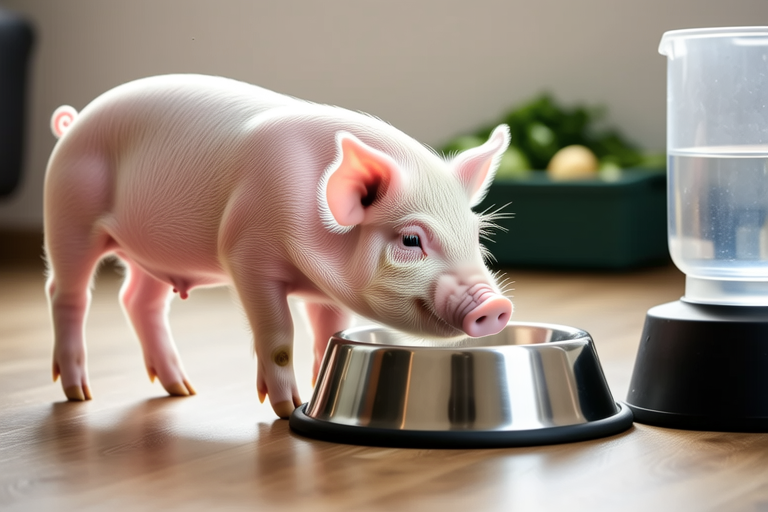
How to Care for Your Mini Pig Like a Pro
Welcome to the wonderful world of mini pig ownership! Mini pigs, or micro pigs, are increasingly popular pets that offer companionship and joy. However, they come with unique care requirements. This guide will walk you through all aspects of mini pig care, from diet and nutrition to housing and health.
Diet and Nutrition: The Foundation of a Healthy Mini Pig
Proper nutrition is crucial for your mini pig’s health. Mini pigs require a balanced diet rich in fiber and low in sugar. A typical diet includes:
- Pellets: Choose high-quality pellets specifically formulated for mini pigs. These provide essential nutrients like vitamins and minerals.
- Fruits and Vegetables: Offer a variety of vegetables such as carrots, broccoli, and kale. Fruits like apples and bananas can be given occasionally as treats.
- Hay: Provide unlimited access to hay, which aids digestion and keeps them occupied.
Always consult a veterinarian before changing your mini pig’s diet. Overfeeding can lead to obesity, so monitor portion sizes carefully. A general rule is to feed no more than one cup of pellets per day for a fully grown mini pig.
Exercise and Playtime: Keeping Your Mini Pig Active
Mini pigs need regular exercise to maintain their physical and mental health. Here are some ways to ensure they stay active:
- Outdoor Time: Allow your mini pig to explore outside safely. Ensure the area is secure and free from hazards.
- Toys: Provide toys designed for pigs, such as chew toys or puzzle feeders. These stimulate their minds and prevent boredom.
- Play Sessions: Spend time playing with your mini pig daily. Use positive reinforcement techniques to encourage interaction.
Remember, mini pigs are intelligent creatures who thrive on mental stimulation. Regular play sessions also strengthen your bond with your pet.
Housing and Environment Setup: Creating a Comfortable Home
A well-designed living space ensures your mini pig’s comfort and safety. Consider the following when setting up their home:
- Space: Mini pigs need ample room to move around freely. A minimum size of 8×8 feet is recommended for indoor setups.
- Beds: Provide soft bedding materials such as straw or shredded paper. Avoid using wood shavings, as they may cause respiratory issues.
- Toileting Area: Designate a specific area for potty breaks. Pigs are clean animals and prefer designated spaces.
Maintain cleanliness by regularly cleaning their living area. A clean environment promotes good health and hygiene.
Grooming Tips: Maintaining Your Mini Pig’s Appearance
Grooming is an important aspect of caring for your mini pig. Here are some grooming tips:
- Bathing: Bathe your mini pig every few months or as needed. Use a mild shampoo and rinse thoroughly to avoid skin irritation.
- Nails: Trim nails regularly to prevent overgrowth. Consult a professional if unsure about proper nail trimming techniques.
- Ears: Clean ears gently with a damp cloth. Check for any signs of infection or irritation.
Regular grooming sessions also provide an opportunity to bond with your mini pig and check for any potential health issues.
Health Care Essentials: Ensuring Your Mini Pig Stays Healthy
Regular veterinary care is vital for maintaining your mini pig’s health. Schedule routine check-ups and vaccinations. Monitor for signs of illness, such as lethargy, loss of appetite, or unusual behavior.
- Weight Management: Keep track of your mini pig’s weight. Obesity can lead to various health problems, including joint issues and heart disease.
- Dental Care: Check your mini pig’s teeth regularly. Provide appropriate chew toys to help keep teeth healthy.
- Vaccinations: Follow your veterinarian’s recommendations regarding vaccinations. Common vaccines include those for leptospirosis and influenza.
Early detection and treatment of health issues can significantly improve your mini pig’s quality of life.
Training Techniques: Teaching Your Mini Pig Good Behavior
Training your mini pig is essential for establishing a positive relationship and ensuring their safety. Positive reinforcement methods work best:
- Clicker Training: Use a clicker to mark desired behaviors and reward with treats. This method helps build trust and encourages good behavior.
- Consistency: Be consistent with commands and rewards. This reinforces learning and makes training more effective.
- Patience: Patience is key when training. Each pig learns at its own pace, so remain patient and supportive throughout the process.
Training also helps prevent behavioral issues and promotes a well-behaved pet.
Common Behavior Issues and Solutions
Understanding and addressing behavioral issues early can prevent more serious problems later. Some common issues include:
- Chewing: Provide appropriate chew toys to redirect chewing behavior. Consistent training can also discourage inappropriate chewing.
- Biting: Biting can be a sign of stress or discomfort. Redirect biting with toys and seek professional advice if necessary.
- Aggression: Aggression may stem from fear or territorial behavior. Desensitize your mini pig to different stimuli and establish clear boundaries.
Consult a professional trainer or behaviorist if you’re struggling with behavioral issues. They can provide personalized guidance and support.
Conclusion: Enjoying Your Mini Pig Journey
Caring for a mini pig requires dedication and effort, but it’s incredibly rewarding. By following this guide, you’ll be well-equipped to provide the best possible care for your mini pig. Remember, every mini pig is unique, so adapt these guidelines to suit your pet’s individual needs. With love, patience, and proper care, you’ll have a happy and healthy companion for years to come.
