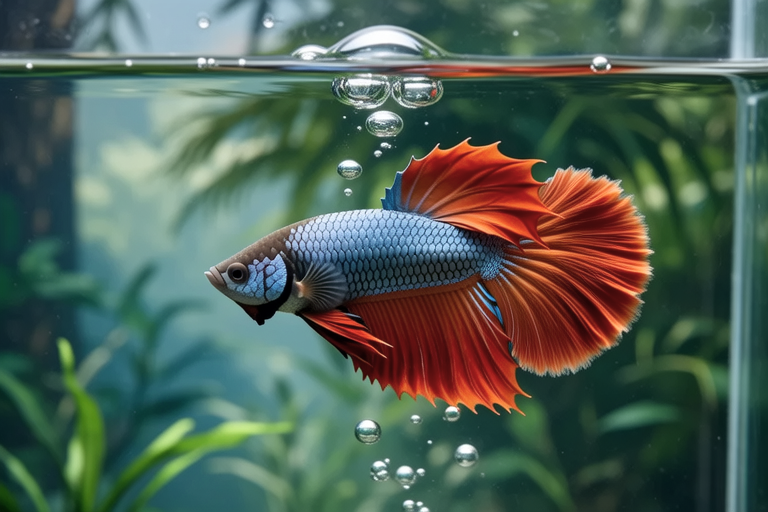
From Bubble Nest to Beautiful Fins: A Beginner’s Guide to Betta Care
Welcome to the captivating world of Betta fish! Known for their vibrant, flowing fins and mesmerizing colors, these freshwater fish have been a favorite among aquarists for decades. Bettas, scientifically named Betta splendens, originate from the rice paddies of Thailand, Myanmar, Malaysia, and parts of Indonesia. Their popularity stems from their ease of care, striking appearance, and fascinating behaviors. This guide will walk you through setting up the perfect environment for your Betta, ensuring they thrive with beautiful, healthy fins and a long life.
Understanding Your Betta
Bettas are known for their unique bubble nests. Males create these foam-like structures at the water’s surface to attract females and protect fertilized eggs. The males carefully blow bubbles, which stick together due to the surface tension of the water, forming a protective nest. They also display vibrant fins that come in various shapes and sizes, such as veil, half-moon, and delta. These fins can range from simple and elegant to elaborate and dramatic, adding to their allure.
Essential Tank Setup
Tank Size
Contrary to popular belief, Bettas require more space than many people think. A tank of at least 5 gallons is ideal for a single Betta. This size allows for adequate swimming space and ensures better water quality. Smaller tanks can lead to poor water conditions, stressing the fish and shortening their lifespan.
Filtration
A gentle filter is necessary to maintain water quality. Look for a filter designed for small tanks, ensuring it doesn’t create strong currents that could stress your Betta. Overly powerful filters can harm these delicate fish by causing them to struggle against the current.
Water Parameters
Maintaining the right temperature and pH levels is crucial. Betta fish prefer temperatures between 76°F and 82°F (24°C and 28°C). Use a heater to maintain this range. The pH level should be between 6.5 and 7.5. Regular testing with a reliable test kit will help you keep these parameters stable.
Decorations
Incorporate plants, rocks, and caves to provide hiding spots and enrich the tank’s visual appeal. Real or artificial plants are beneficial; they offer places to rest and enhance the natural habitat. Floating plants can also aid in oxygenation and help stabilize the bubble nest. Avoid sharp objects that could damage your Betta’s delicate fins.
Diet and Feeding Habits
Bettas are carnivorous and require a diet rich in protein. High-quality Betta pellets or flakes are excellent staple foods. Supplement their diet with live or frozen foods like brine shrimp, bloodworms, and daphnia. Feed your Betta two to three times daily, offering only what they can consume within a few minutes. Overfeeding can lead to poor water quality and health issues.
Selecting a Healthy Betta
Choosing a healthy Betta is key to ensuring a long, happy life for your new pet. Look for bright colors, alert behavior, and well-formed fins. Avoid fish with torn or frayed fins, cloudy eyes, or signs of lethargy. Additionally, ensure the tank they are in is clean and well-maintained, as this reflects the overall care they’ve received.
Common Health Issues and Prevention
Like any animal, Bettas are susceptible to health issues. Fin rot, a bacterial infection causing fin deterioration, is one of the most common problems. It manifests as fraying, discoloration, or tissue loss on the fins. Maintaining pristine water conditions and avoiding overcrowding can prevent this issue. Another common ailment is Ich, characterized by white spots on the fish’s body. Regular water changes and maintaining optimal water parameters can help prevent these issues.
Handling and Bonding with Your Betta
While Bettas are not typically handled like other pets, you can still bond with them. Spend time near the tank, talking softly or placing your hand gently near the glass. Some Bettas may even learn to recognize and respond to their caretakers. Proper care and attention will reward you with a thriving, beautiful Betta.
Caring for a Betta fish is a rewarding experience. With the right knowledge and dedication, you can ensure your Betta lives a long, healthy, and vibrant life. From setting up the perfect tank to understanding their dietary needs and common health issues, every aspect of Betta care plays a crucial role in their well-being. Enjoy the journey of nurturing these fascinating creatures, and watch as they bring beauty and joy to your home.
