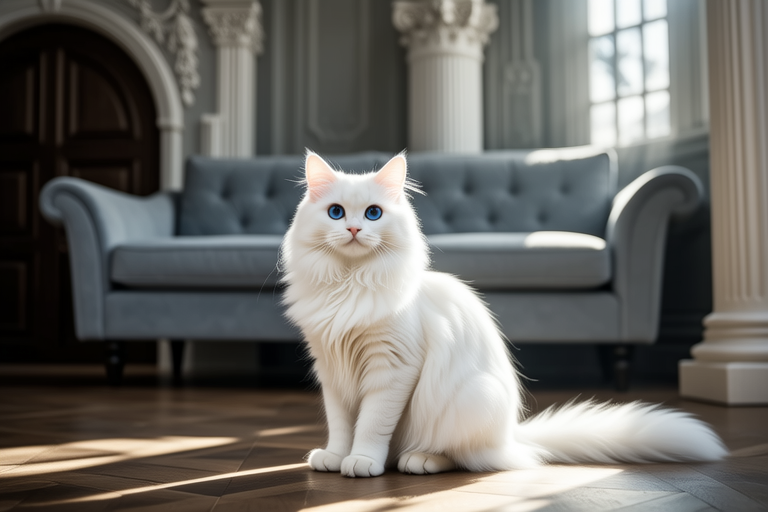
The Turkish Angora: From Royal Palaces to Modern Homes
The Turkish Angora is one of the oldest domesticated cat breeds, with a rich history that spans centuries. Originating from the Ankara region of central Turkey, these cats have been admired for their elegance, intelligence, and striking appearance. This article explores the history and characteristics of the Turkish Angora, tracing its journey from royal palaces to modern homes. We will delve into its physical traits, unique coat patterns, and distinct behaviors, as well as its temperament, intelligence, and adaptability. Additionally, we’ll highlight famous Turkish Angoras throughout history and provide essential tips for potential owners on caring for this breed.
Origins and Historical Significance
The Turkish Angora has a storied past, dating back to ancient times. The breed was first documented in the 16th century, where it was kept as a companion animal by the Ottoman sultans. These cats were highly valued for their beauty and grace, often being given as gifts to foreign dignitaries. The Turkish Angora’s connection to royalty continued into the 19th century when they were brought to Europe and North America, where they quickly gained popularity among cat enthusiasts.
During World War I, the Turkish government established a breeding program at the Ankara Zoo to preserve the Turkish Angora. This initiative helped protect the breed from extinction and ensured its survival into the modern era. Today, the Turkish Angora remains an iconic symbol of Turkish culture and heritage, celebrated both domestically and internationally.
Physical Traits and Coat Patterns
The Turkish Angora is known for its sleek, muscular build and long, flowing coat. Males typically weigh between 7 to 12 pounds, while females range from 5 to 9 pounds. Their slender bodies are complemented by large, pointed ears and expressive, almond-shaped eyes that can be blue, green, or amber.
The breed’s most distinctive feature is its luxurious, semi-longhaired coat, which comes in a wide variety of colors and patterns. Pure white Turkish Angoras are particularly prized, though other colors such as black, red, and tabby are also common. The coat is fine and silky, with minimal undercoat, making it less prone to matting than many other long-haired breeds. Regular grooming is still necessary, however, to prevent tangles and keep the fur looking its best.
Distinct Behaviors and Temperament
Turkish Angoras are highly intelligent and curious cats, always eager to explore their surroundings. They are known for their playful nature and love of interactive toys, making them excellent companions for families with children. Despite their active demeanor, Turkish Angoras can also be quite affectionate, often forming strong bonds with their owners.
These cats are generally social animals, enjoying the company of other pets and people alike. However, they can be somewhat reserved around strangers, preferring to observe from a distance before engaging in play or conversation. Turkish Angoras are also known for their vocal communication, often meowing or chirping to express their needs or simply to engage in conversation with their human companions.
Famous Turkish Angoras Throughout History
Several Turkish Angoras have achieved fame over the years, either through their roles in popular media or their contributions to the breed’s preservation. One notable example is Marmalade, a Turkish Angora who appeared in several episodes of the British television series Mad About You. Another famous Turkish Angora is Sooty, a white cat who served as the official mascot of the Turkish National Olympic Committee during the 2004 Summer Olympics in Athens.
In addition to these celebrity cats, numerous Turkish Angoras have played important roles in breeding programs and conservation efforts. Their contributions have helped ensure the survival of the breed and continue to shape its development today.
Caring for Your Turkish Angora
If you’re considering adopting a Turkish Angora, there are several key factors to keep in mind when it comes to their care and well-being. Proper nutrition is essential for maintaining your cat’s health and vitality. High-quality dry food formulated for adult cats is recommended, supplemented with occasional treats and fresh water. Be sure to monitor your cat’s weight and adjust their diet as needed to avoid obesity.
Grooming is another important aspect of caring for a Turkish Angora. While their coat requires less maintenance than some other long-haired breeds, regular brushing is still necessary to prevent tangles and remove loose hair. A soft-bristled brush or comb is usually sufficient, but you may need to consult with your veterinarian if your cat develops any skin conditions or allergies.
Health considerations are also important when caring for a Turkish Angora. Like all cats, they are susceptible to certain genetic disorders, including hypertrophic cardiomyopathy (HCM), a condition that affects the heart muscle. Regular veterinary check-ups can help detect these issues early and ensure prompt treatment. Additionally, Turkish Angoras may be more prone to certain eye problems, so it’s important to monitor their vision and seek professional advice if you notice any changes.
Elegant Appearance and Lively Personality
The Turkish Angora’s elegant appearance and lively personality make it a cherished companion for many cat lovers. Its graceful movements and striking features set it apart from other breeds, while its playful and affectionate nature ensures endless entertainment and companionship. Whether lounging on a windowsill or engaging in spirited play, the Turkish Angora is sure to bring joy and warmth to any home.
In conclusion, the Turkish Angora is a truly remarkable breed with a fascinating history and unique characteristics. From its origins in royal palaces to its place in modern homes, this cat continues to captivate and inspire those lucky enough to share their lives with one. By understanding the breed’s physical traits, behaviors, and care requirements, potential owners can provide their Turkish Angora with the love and attention it deserves, ensuring a lifetime of happiness and companionship.
