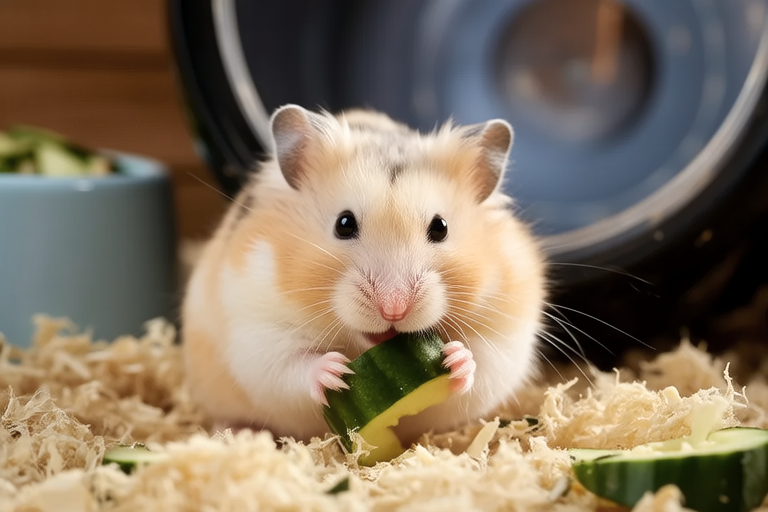
A Day in the Life of a Happy and Healthy Golden Hamster
Welcome to the delightful world of golden hamsters! These small, furry creatures are not only adorable but also incredibly active and playful. Understanding what constitutes a typical day for your golden hamster can help you provide the best care possible, ensuring that your little friend leads a happy and healthy life. Let’s dive into a day in the life of a happy and healthy golden hamster.
Morning Routine: Waking Up and Getting Started
Golden hamsters are nocturnal animals, meaning they are most active during the night. However, they often wake up early in the morning for a short period of activity before settling down again for a nap. When your golden hamster wakes up, it might stretch its body and groom itself to get ready for the day ahead. This grooming is crucial as it helps keep the hamster clean and free from parasites.
After this brief grooming session, your golden hamster will likely head straight for its food bowl. Golden hamsters have voracious appetites and need a balanced diet to stay healthy. Their diet should consist primarily of high-quality hamster pellets, supplemented with fresh vegetables like carrots, broccoli, and spinach. It’s important to avoid feeding them sugary fruits or foods that are too rich in fat. A steady supply of fresh water is also essential.
Exercising and Staying Active
Once the hamster has eaten, it will start to explore its cage. Providing ample space and enrichment is vital for a hamster’s well-being. A large, multi-level cage with plenty of tunnels, platforms, and hiding spots encourages exploration and physical activity. Your golden hamster will enjoy running on its exercise wheel, which helps maintain its fitness and provides mental stimulation. Ensure the wheel is solid-surfaced to prevent injuries to its feet.
In addition to the exercise wheel, consider adding other toys and accessories to the cage. Ladders, ropes, and chew toys can all help keep your hamster entertained and physically engaged. Rotate these items periodically to prevent boredom and keep things interesting.
Playtime: Social Interactions and Bonding
Golden hamsters are solitary animals by nature and typically do not share living spaces with other hamsters. However, they can develop strong bonds with their human companions. Spend time each day interacting with your hamster through gentle handling and play. Allow your hamster to explore outside its cage under close supervision. Use treats as rewards to encourage positive behavior and strengthen the bond between you.
During these bonding sessions, your hamster may exhibit various behaviors such as running around, climbing, or even digging. Encourage these natural activities while ensuring safety by keeping the environment free from hazards. Remember, hamsters have sharp claws, so handle them gently to avoid scratches.
Nap Time: Rest Periods Throughout the Day
Between bouts of activity, your golden hamster will take several naps throughout the day. Hamsters require about 12 hours of sleep per day, spread across multiple short periods. They prefer dark, quiet environments for resting, so ensure their cage is placed away from direct sunlight and loud noises. Providing cozy bedding materials like shredded paper or soft cloth can make their resting spots more comfortable.
During these rest periods, your hamster may curl up in its nest or simply lie still. It’s essential to respect their need for solitude and avoid disturbing them unless necessary. Regular sleep patterns contribute significantly to your hamster’s overall health and happiness.
Dietary Preferences and Nutritional Needs
The key to maintaining a healthy golden hamster lies in providing a balanced diet. In addition to high-quality pellets and fresh vegetables, occasional treats such as small pieces of fruit or seeds can be offered. However, these should be given sparingly to avoid weight gain or digestive issues. Always introduce new foods gradually to monitor for any adverse reactions.
Ensure that the food and water dishes are cleaned regularly to prevent contamination. Fresh water should be available at all times. A water bottle with a sipper tube is preferable as it keeps the water clean and prevents spills.
Housing Requirements for Optimal Health
Adequate housing is crucial for your golden hamster’s well-being. The cage should be spacious enough to allow movement and exploration. A minimum size of 36 inches long, 18 inches wide, and 18 inches tall is recommended. The cage should be equipped with solid flooring, as wire-bottomed cages can cause foot injuries. Line the cage with soft bedding material to create a comfortable environment for your hamster.
Provide multiple levels within the cage to stimulate climbing and jumping. Include a nesting area where your hamster can retreat for privacy and relaxation. Ensure the cage has adequate ventilation and is placed in a cool, dry location away from drafts and direct sunlight.
Grooming Habits and Maintenance
Golden hamsters are meticulous groomers and spend a considerable amount of time cleaning themselves. While they usually don’t require frequent baths, you can assist with grooming by brushing their fur occasionally to remove loose hairs and prevent matting. Use a soft-bristled brush designed for small animals.
Check your hamster’s teeth regularly, as overgrown incisors can lead to health problems. Provide appropriate chew toys to help wear down their teeth naturally. If you notice any issues with your hamster’s teeth or gums, consult a veterinarian specializing in exotic pets.
Tips for Owners to Ensure Happiness and Health
To ensure your golden hamster remains happy and healthy, follow these tips:
- Provide a spacious, well-equipped cage with ample room for exploration and exercise.
- Offer a balanced diet consisting of high-quality pellets, fresh vegetables, and occasional treats.
- Ensure access to clean water at all times.
- Engage in regular play and interaction sessions to build a bond with your hamster.
- Respect your hamster’s need for solitude and quiet during rest periods.
- Monitor your hamster’s health closely and seek veterinary care if you notice any signs of illness or distress.
- Keep the cage clean and provide fresh bedding regularly.
- Handle your hamster gently and avoid sudden movements that could startle it.
By following these guidelines, you can provide a loving and nurturing environment for your golden hamster, ensuring it enjoys a long and healthy life filled with joy and contentment.
