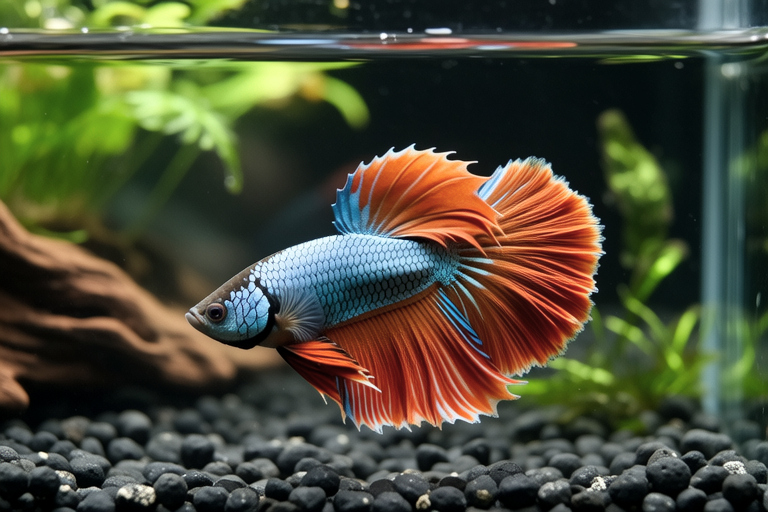
Betta Care Guide: Tips for Keeping Your Finny Friend Happy
Welcome to your comprehensive Betta Care Guide! This guide is designed to help you provide the best care for your finny friend, ensuring they live a long, happy, and healthy life. Whether you’re a first-time betta owner or an experienced aquarist, this guide will cover everything you need to know about keeping your betta in optimal conditions.
Understanding Your Betta Fish
Betta fish, also known as Siamese fighting fish, are beautiful and vibrant creatures that can bring joy and color to any home. Originating from Thailand, these fish have been bred for centuries for their stunning fins and colors. Bettas are known for their unique personalities and can even be trained to respond to their owners. However, they require specific care to thrive, making them more than just another pretty face in a tank.
Water Quality Maintenance
One of the most critical aspects of betta care is maintaining good water quality. Poor water quality can lead to stress, illness, and even death for your betta. Here’s how to ensure your betta’s water is always clean and healthy:
- Water Changes: Regularly changing 25% to 50% of the tank water every week is essential. This helps remove toxins and waste products.
- Water Parameters: Keep the pH between 6.8 and 7.4, hardness between 5 and 19 dGH, and ammonia and nitrite levels at 0 ppm.
- Filtration: Use a gentle filter to keep the water flowing without overwhelming your betta. A sponge filter is ideal as it provides biological filtration without strong currents.
- Air Stones: Adding air stones can help increase oxygen levels in the water, which is beneficial for your betta.
- Water Treatments: Always treat tap water with a conditioner to remove harmful chemicals like chlorine and chloramine before adding it to the tank.
Suitable Tank Size and Decorations
Many people believe that bettas can live happily in small containers or bowls, but this is a misconception. Bettas need space to swim and explore, so providing a tank that meets their needs is crucial.
- Tank Size: The minimum recommended tank size for a betta is 5 gallons, but larger tanks (up to 10 gallons) are even better. Larger tanks allow for better water quality management and more swimming space.
- Decorations: Decorate the tank with plants, caves, and other structures to create hiding spots and stimulate your betta’s natural behavior. Real or artificial plants are excellent choices, providing both shelter and enrichment.
- Hiding Spots: Bettas love to hide, so include plenty of caves, driftwood, or PVC pipes. These hiding spots help reduce stress and provide a sense of security.
- Plants: Floating plants can mimic the betta’s natural habitat and help maintain water quality by absorbing nitrates and providing shade.
- Substrate: While not necessary, a substrate can enhance the appearance of the tank. Choose smooth gravel or sand to avoid injuring your betta’s delicate fins.
Proper Diet
Feeding your betta correctly is vital for their health and longevity. Bettas are carnivorous and require a protein-rich diet. Here are some feeding tips:
- High-Quality Food: Feed your betta high-quality betta pellets, flakes, or frozen foods like bloodworms, brine shrimp, and daphnia. Avoid overfeeding, as excess food can pollute the water.
- Frequency: Feed your betta twice daily, offering only what they can consume within 2 minutes. Remove any uneaten food to prevent water pollution.
- Variety: Offer a variety of foods to ensure a balanced diet. Consider supplementing with occasional treats like freeze-dried krill or tubifex worms.
- Feeding Schedule: Establish a consistent feeding schedule to help regulate your betta’s digestive system.
Temperature Requirements
Bettas are tropical fish and require warm water to thrive. Maintaining the correct temperature is essential for their health:
- Optimal Temperature: Aim for a water temperature between 76°F and 82°F (24°C to 28°C). Use a reliable aquarium heater to maintain this range.
- Thermometer: Always use a thermometer to monitor the water temperature. Fluctuations can cause stress and disease.
- Heater Placement: Place the heater near the filter outlet to prevent hotspots and ensure even heating throughout the tank.
- Insulation: In cooler environments, insulate the tank with a blanket or foam board to maintain warmth.
Common Health Issues
Despite your best efforts, your betta may still encounter health problems. Early detection and treatment are key to recovery. Here are some common issues to watch out for:
- Fungal Infections: Characterized by white, cotton-like growths on the body or fins. Treat with antifungal medications and improve water quality.
- Bacterial Infections: Look for redness, ulcers, or excessive mucus. Antibiotic treatments may be necessary. Consult a veterinarian for guidance.
- Fin Rot: Fins may appear torn, frayed, or discolored. Improve water quality and treat with antifungal or antibacterial medications.
- Constipation: Overfeeding can lead to constipation, characterized by bloating or difficulty swimming. Fast your betta for 24 hours, then introduce green peas or daphnia to aid digestion.
- Dropsy: Symptoms include bloating, sunken eyes, and raised scales. Dropsy is often fatal, but improving water quality and administering antibiotics can sometimes help.
Handling and Minimizing Stress
Bettas are sensitive to stress, which can weaken their immune system and make them more susceptible to illness. Here are some ways to handle and minimize stress for your betta:
- Safe Handling: Avoid netting your betta unless absolutely necessary. Instead, use a cup or small container filled with tank water to gently scoop them up.
- Minimize Disturbances: Keep the tank in a quiet area away from sudden movements or loud noises. Cover the tank to reduce stress from outside disturbances.
- Gradual Introductions: If adding new decorations or equipment, introduce them gradually to give your betta time to adjust.
- Stress-Inducing Factors: Be aware of factors that can induce stress, such as poor water quality, overcrowding, or aggressive tank mates.
- Behavioral Signs: Monitor your betta’s behavior for signs of stress, such as reduced activity, hiding, or abnormal swimming patterns.
Creating a Stimulating Yet Safe Environment
To keep your betta happy and healthy, it’s important to create an environment that stimulates them while keeping them safe. Here are some tips:
- Provide Hiding Spots: As mentioned earlier, hiding spots are essential for reducing stress and providing a sense of security.
- Introduce Toys: Consider adding floating toys or sinking objects for your betta to interact with. Just ensure they are safe and won’t harm your betta’s fins.
- Change Scenery: Occasionally rearrange the tank to provide new stimulation and encourage exploration.
- Monitor Behavior: Regularly observe your betta’s behavior to ensure they are comfortable and healthy.
- Limit Tank Mates: While some bettas can coexist peacefully with certain species, it’s generally safer to keep them alone to avoid territorial disputes.
Conclusion
By following the tips outlined in this Betta Care Guide, you can ensure that your finny friend lives a long, happy, and healthy life. Remember, the key to successful betta care is consistency and attention to detail. Regular water changes, proper diet, and a safe, stimulating environment are all essential components of betta care. With the right care, your betta can thrive and bring joy to your home for many years to come.
