From Anatolia to Your Home: The Tale of the Turkish Angora
The Turkish Angora, a regal and elegant feline, has captured hearts for centuries. Originating from the highlands of Anatolia, this breed carries within it the essence of an ancient civilization. Its history is deeply intertwined with Turkish culture, making it more than just a pet but a symbol of heritage.
Ancient Origins and Cultural Significance
The Turkish Angora can trace its lineage back thousands of years to the region of central Turkey known as Anatolia. Legends and historical texts speak of these cats as being revered in the royal courts of the Ottoman Empire. Their presence was not merely ornamental; they were valued for their hunting prowess and companionship. In Turkish folklore, the Turkish Angora is often depicted as a guardian spirit, embodying the mystical qualities of the land.
One of the most notable mentions of the Turkish Angora comes from the 16th-century French traveler Pierre Belon, who described them as “the most beautiful and rarest cats in the world.” This early recognition highlights the breed’s unique beauty and the admiration it garnered even outside of its native land. The cats were so esteemed that they were often gifted to foreign dignitaries, further spreading their fame across Europe.
Distinctive Physical Characteristics
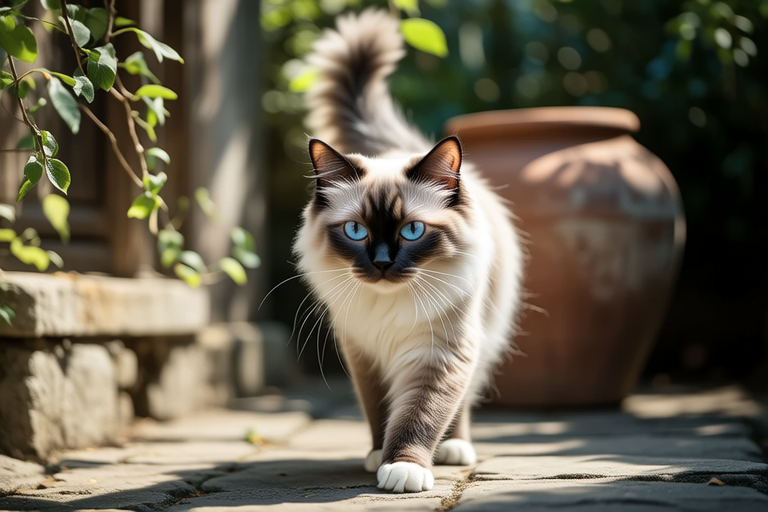
The Turkish Angora is renowned for its striking appearance. With a slender yet muscular build, these cats are graceful and agile. Their most distinguishing feature is their long, silky coat, which requires minimal grooming due to its single-layered nature. The coat comes in a variety of colors, though white is the most common and historically significant. This white coat is often associated with the Turkish Angora’s legendary status, as it was believed to bring good fortune and protect against evil spirits.
Another hallmark of the Turkish Angora is its piercing blue eyes, which add to its ethereal charm. However, the breed is not limited to blue-eyed beauties; they can also have green or gold eyes. The combination of these features creates a cat that is both visually stunning and captivating.
Journey to Global Recognition
The Turkish Angora’s journey to global recognition began in earnest during the late 19th century when the breed started appearing in European cat shows. Initially, the breed faced competition from other long-haired breeds, but its unique qualities eventually set it apart. By the mid-20th century, the Turkish Angora had become a sought-after breed in cat fancier circles.
A pivotal moment in the breed’s global expansion came in the 1970s when the Ankara Zoo in Turkey began exporting purebred Turkish Angoras to the United States. This initiative aimed to preserve the breed’s genetic purity and ensure its continued existence. These efforts led to the establishment of breeding programs in North America, further cementing the Turkish Angora’s place in the international cat fancy.
Influential figures such as Jeanne Boulet played a crucial role in popularizing the breed. Boulet, a renowned breeder and judge, worked tirelessly to promote the Turkish Angora, organizing shows and writing extensively about the breed. Her efforts helped establish the breed’s standards and ensured its acceptance in major cat registries.
Anecdotes and Famous Turkish Angoras
Among the many tales surrounding Turkish Angoras, one story stands out. In the 1930s, a Turkish Angora named Sinan gained fame for its ability to predict earthquakes. Sinan lived in Istanbul and would become agitated before seismic events, leading local residents to take refuge based on its behavior. While this anecdote may be apocryphal, it reflects the deep bond between humans and Turkish Angoras.
Another famous Turkish Angora is Marmalade, a cat that became an internet sensation for its striking appearance and playful demeanor. Marmalade’s photos went viral, showcasing the breed’s elegance and charm to millions around the world. Stories like these highlight the breed’s enduring appeal and the special connection it forms with its owners.
Temperament and Care Requirements
When considering a Turkish Angora as a pet, it’s important to understand its temperament and care needs. Turkish Angoras are known for their playful and affectionate nature. They are highly intelligent and enjoy interactive play, making them ideal companions for active individuals or families. Despite their elegance, they are surprisingly energetic and require mental stimulation to thrive.
Care for a Turkish Angora involves regular play sessions and environmental enrichment. Providing climbing structures, toys, and scratching posts can help satisfy their natural instincts. Additionally, while their coat requires minimal grooming, regular brushing is recommended to prevent matting and distribute skin oils.
Health-wise, Turkish Angoras are generally healthy cats with a life expectancy of 12 to 15 years. However, like all breeds, they can be prone to certain health issues, such as heart murmurs and respiratory problems. Regular veterinary check-ups and a balanced diet are essential to maintaining their well-being.
Conclusion
The Turkish Angora is a breed rich in history and beauty, bridging the gap between ancient Anatolian culture and modern-day homes. From its origins in the highlands of Turkey to its current status as a beloved companion worldwide, the Turkish Angora continues to captivate hearts and minds. For those considering adopting a Turkish Angora, understanding its unique traits and care requirements will ensure a rewarding and loving relationship. Whether you’re drawn to its striking appearance or its charming personality, the Turkish Angora offers a truly exceptional feline experience.
