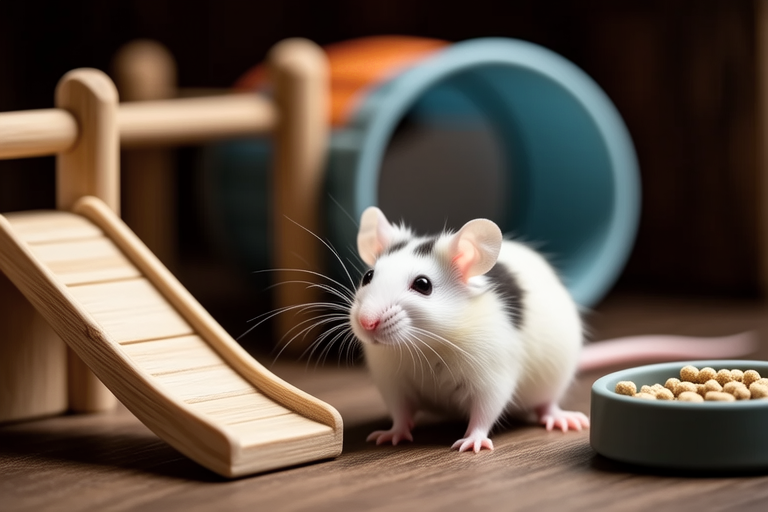
How to Create the Ultimate Home for Your Fancy Rat Companion
Fancy rats, also known as domesticated rats, make wonderful companions for those who appreciate their intelligence and social nature. Providing them with an enriching home is crucial for their health and happiness. This guide will walk you through the essentials of setting up the perfect habitat for your fancy rat, covering everything from cage selection to daily care.
Choosing the Right Cage Size and Type
The first step in creating the ultimate home for your fancy rat is selecting the right cage. Rats are active creatures that require ample space to move around, exercise, and explore. A minimum cage size of 24 inches long by 18 inches wide by 18 inches tall is recommended for a single rat, while larger cages are preferable for multiple rats to ensure they have enough room to play and avoid stress.
When it comes to cage types, wire-bottom cages are not suitable for rats because they can cause foot injuries. Instead, opt for solid-bottom cages made of glass, plastic, or metal. These cages offer better support for your rat’s feet and prevent injuries. Additionally, choose a cage with multiple levels or ramps to encourage climbing and exploration.
Essential Bedding Materials
Proper bedding is vital for keeping your rat comfortable and healthy. Avoid cedar and pine shavings, as these can cause respiratory issues. Instead, use paper-based bedding or recycled paper products, which are safer and more absorbent. Ensure that the bedding is at least two inches deep to allow your rat to burrow and nest comfortably.
Regularly changing the bedding is essential to maintain hygiene and prevent odors. Aim to clean the bedding every few days or as needed based on how quickly it becomes soiled. This routine helps keep your rat’s living area fresh and reduces the risk of infections.
Toys and Accessories for Mental Stimulation
Rats are highly intelligent animals that thrive when given opportunities to think and explore. Provide a variety of toys and accessories to stimulate their minds and bodies. Tunnel systems, chew toys, and puzzle feeders are excellent choices. Tunnels not only provide entertainment but also create hiding spots that help reduce anxiety.
Incorporate different textures and sizes into your rat’s toy collection to keep things interesting. Rotate toys periodically to prevent boredom and encourage continued engagement. This mental stimulation is crucial for preventing behavioral problems and promoting overall well-being.
Creating Hiding Spots and Tunnels
Hiding spots and tunnels are essential for providing comfort and security to your rat. You can create these spaces using cardboard boxes, tubes, or specially designed rat tunnels available in pet stores. Place these items strategically within the cage to encourage exploration and hide-and-seek games.
Ensure that the hiding spots and tunnels are stable and secure to prevent any accidents. Rats love to crawl through small openings and squeeze into tight spaces, so make sure the structures are sturdy enough to withstand their playful antics.
Safe Cleaning Practices
Maintaining a clean living environment is critical for your rat’s health. Use mild, pet-safe cleaners to wash the cage and its accessories. Avoid harsh chemicals that could be toxic to your pet. After cleaning, rinse thoroughly and dry completely before reintroducing your rat to the cage.
Establish a regular cleaning schedule to prevent the buildup of bacteria and odors. For example, perform a thorough cleaning once a week and spot-clean as needed between deep cleans. This routine ensures that your rat lives in a hygienic and pleasant environment.
Optimal Temperature and Humidity Levels
Rats prefer moderate temperatures between 64°F and 79°F (18°C and 26°C). Extreme temperatures can lead to heatstroke or hypothermia, so it’s important to monitor the ambient temperature in your home. Use a thermometer to check the temperature inside the cage regularly, especially during extreme weather conditions.
Humidity levels should be maintained between 30% and 70%. Dry air can irritate your rat’s respiratory system, while overly humid environments may promote bacterial growth. If necessary, use a humidifier or dehumidifier to adjust the humidity level to a comfortable range for your rat.
Providing a Balanced Diet
A balanced diet is key to keeping your rat healthy and energetic. Offer a mix of commercial rat pellets, fresh vegetables, fruits, and occasional treats. Rats enjoy a variety of foods, but be cautious about what you introduce to their diet. Avoid giving them chocolate, caffeine, citrus fruits, and high-fat or sugary snacks, as these can be harmful.
Provide a constant supply of fresh water in a water bottle or bowl. Clean and refill the water source daily to ensure it remains clean and palatable. Regularly check the water bottle for leaks or blockages to prevent dehydration.
Conclusion
Creating the ultimate home for your fancy rat companion involves thoughtfully addressing their physical and emotional needs. By selecting the right cage, providing proper bedding, offering stimulating toys, maintaining a clean environment, and ensuring optimal temperature and humidity levels, you can give your rat a happy and healthy life. With these guidelines, both new and experienced rat owners can ensure their pets live in a nurturing and enriching habitat.
