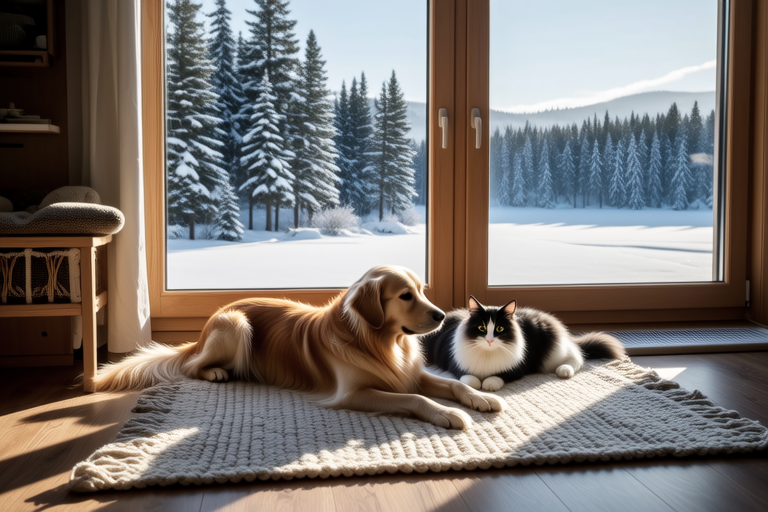
Norwegian Pets: How They Are Changing Modern Family Life
In recent years, the role of pets in Norwegian households has evolved significantly, transforming the way modern families live, interact, and even perceive themselves. From traditional hunting dogs to trendy cat cafes, Norwegian pets have become integral members of the family, offering companionship, emotional support, and physical health benefits. This article explores the unique roles Norwegian pets play within families, delving into specific breeds popular in Norway and their impacts, family dynamics, health benefits, and social changes. Insights from local pet owners and experts provide a comprehensive understanding of the trends in pet care and ownership in Norway.
The Role of Pets in Norwegian Families
Pets in Norway are more than just animals; they are cherished members of the family. The bond between humans and their pets is profound, often described as unconditional love. In Norwegian homes, pets are treated like children, sharing the same living spaces and participating in daily activities. This close relationship fosters a sense of responsibility among family members, especially children, teaching them about empathy, care, and respect for other living beings.
One of the most common breeds in Norway is the Norwegian Elkhound, a loyal and energetic dog known for its resilience and strength. Originally bred for hunting, these dogs have adapted well to domestic life, providing companionship and protection. Another popular breed is the Lundehund, a rare breed with unique physical characteristics that make it well-suited for mountainous terrain. These dogs are known for their agility and intelligence, making them excellent companions for outdoor enthusiasts.
Family Dynamics and Pet Ownership
The presence of pets in Norwegian families has significantly influenced family dynamics. Pets often act as mediators, helping to reduce stress and anxiety among family members. Studies have shown that interacting with pets can lower blood pressure and heart rate, promoting overall well-being. Furthermore, pets provide a shared activity that brings families together, whether it’s playing fetch in the park or cuddling on the couch.
Children in Norwegian families often learn valuable lessons from their pets. For instance, caring for a pet teaches responsibility, as children must learn to feed, groom, and exercise their animal companions. This shared responsibility strengthens family bonds and fosters a sense of teamwork. Additionally, pets offer emotional support, providing comfort during difficult times and helping children develop social skills through interactions with other animals and people.
Health Benefits of Pet Ownership
Pet ownership in Norway comes with numerous health benefits. Research indicates that owning a pet can improve cardiovascular health, reduce the risk of allergies in children, and boost mental health. Dogs, in particular, encourage regular physical activity, which is beneficial for both humans and their canine companions. Walking a dog daily not only promotes fitness but also provides opportunities for social interaction with other pet owners.
Cats, another popular pet in Norway, offer their own set of health benefits. Their independent nature can be soothing for some individuals, while their playful antics bring joy and laughter. Cats require less maintenance than dogs, making them ideal for those who live in smaller apartments or have busy schedules. However, cats still provide companionship and emotional support, contributing to the overall well-being of their human families.
Social Changes and Pet Culture
The rise of pet culture in Norway has led to significant social changes. Pet cafes, dog parks, and grooming salons are becoming increasingly popular, catering to the growing number of pet owners. These establishments provide spaces where pet owners can meet, share experiences, and form friendships. Social media platforms have also played a crucial role in fostering a sense of community among pet lovers, allowing them to connect and support one another.
In addition to these social changes, there has been a shift in the way Norwegians view pet ownership. Many now see pets as essential members of the family, deserving of the same rights and privileges as human family members. This shift has led to increased advocacy for animal welfare, with organizations working tirelessly to ensure that all pets are treated with kindness and respect. Furthermore, pet-friendly policies have been implemented in many public spaces, making it easier for pet owners to enjoy their animals without restrictions.
Trends in Pet Care and Ownership
The trends in pet care and ownership in Norway reflect the changing attitudes towards pets as family members. More pet owners are opting for natural and organic pet foods, recognizing the importance of nutrition in maintaining their pets’ health. There has also been a rise in the popularity of pet-friendly products, such as eco-friendly toys and accessories, which align with the values of sustainability and environmental consciousness.
Moreover, the demand for professional pet services, such as training, grooming, and veterinary care, continues to grow. Pet owners are willing to invest in high-quality services to ensure the well-being of their furry friends. This trend reflects the increasing recognition of pets as valued members of the family, deserving of the best possible care.
Insights from Local Pet Owners and Experts
To gain deeper insights into the impact of pets on Norwegian families, we spoke with several local pet owners and experts. One owner, Anne, shared her experience with her Norwegian Elkhound, Loki. “Loki is more than just a dog; he’s a member of our family,” she said. “He brings so much joy and companionship, and he’s always there when we need him.” Anne emphasized the importance of spending quality time with her pet, ensuring that he remains happy and healthy.
Dr. Maria, a veterinarian and animal behaviorist, highlighted the psychological benefits of pet ownership. “Pets have a unique ability to provide emotional support and companionship,” she explained. “They help reduce stress and anxiety, promoting overall mental health. It’s important for pet owners to recognize the value of this emotional connection and nurture it.”
Conclusion
Norwegian pets are transforming modern family life, bringing joy, companionship, and a sense of purpose to their human families. From the loyal Norwegian Elkhound to the agile Lundehund, these animals enrich the lives of their owners in countless ways. As pet culture continues to evolve in Norway, it’s clear that the bond between humans and their pets will remain strong, shaping the future of family life and social interactions.
As we move forward, it’s important to continue advocating for animal welfare and supporting initiatives that promote responsible pet ownership. By doing so, we can ensure that pets remain cherished members of our families, contributing to the happiness and well-being of all.
