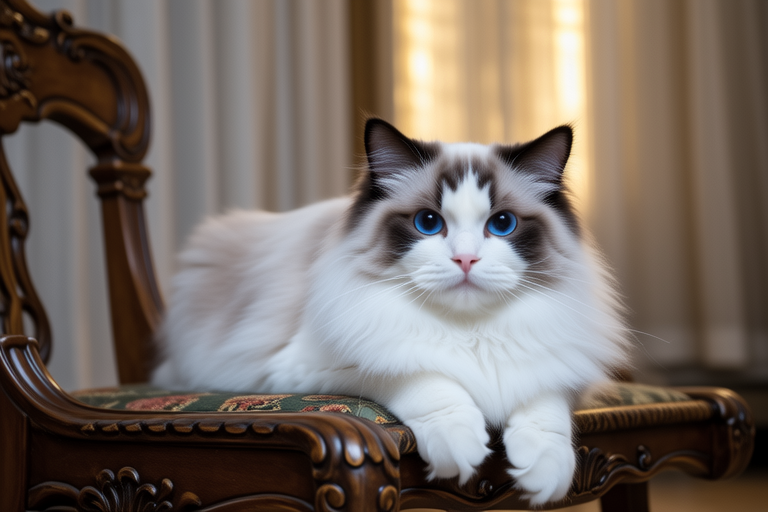
Turkish Angora: From Royal Paws to Modern Homes
The Turkish Angora, a breed steeped in history and legend, has captivated hearts for centuries. Originating in ancient Turkey, these elegant felines have transitioned from the opulent confines of royal palaces to the cozy corners of modern homes. This article delves into the rich history, unique characteristics, and enduring appeal of the Turkish Angora, offering insights for potential owners and cat enthusiasts alike.
A Royal Heritage
The Turkish Angora traces its roots back to the mountains of central Anatolia, where it thrived in the wild before being domesticated. The breed’s name reflects its geographical origin, with ‘Angora’ derived from Ankara, the capital city of Turkey. Historically, these cats were revered by Turkish royalty, who kept them as cherished companions and symbols of status. The Ottoman Empire’s sultans and nobles took great pride in their Angoras, often presenting them as diplomatic gifts. Legends abound about the breed’s origins, with some tales suggesting that they descended from the mythical lion and the gazelle, endowing them with their distinctive elegance and grace.
Physical Characteristics
The Turkish Angora is renowned for its striking appearance. With a medium-sized, lithe body, it boasts a long, silky coat that comes in a variety of colors, including white, black, red, blue, and tabby patterns. The breed’s most iconic feature is its large, expressive eyes, which can be blue, green, amber, or a captivating combination of hues. Their almond-shaped eyes and tufted ears give them a regal and almost otherworldly look. Despite their delicate appearance, Turkish Angoras are muscular and agile, capable of impressive feats of athleticism.
Temperament and Personality
Besides their striking looks, Turkish Angoras are known for their friendly and affectionate nature. They are highly intelligent and enjoy interacting with their human companions, often following their owners around the house and participating in daily activities. These cats are social creatures, thriving in environments where they receive attention and stimulation. They are playful and curious, always eager to explore new surroundings and engage in interactive play. However, their independent streak means they also appreciate quiet moments of solitude, making them adaptable to various living situations.
Care Requirements
While Turkish Angoras are generally low-maintenance pets, they do require regular grooming to maintain their luxurious coats. Daily brushing helps prevent matting and keeps their fur soft and shiny. Regular veterinary check-ups are essential to ensure their health and longevity. Their diet should consist of high-quality cat food, rich in protein and nutrients, to support their active lifestyle. Like all cats, Turkish Angoras benefit from a stimulating environment filled with toys and scratching posts to keep them physically and mentally engaged.
Myths and Legends
The Turkish Angora is shrouded in myths and legends, many of which highlight its mystical qualities. One such tale tells of a Turkish Angora that saved a child from a snakebite by drawing the venom out with its paw, demonstrating the breed’s protective instincts. Another legend speaks of the breed’s ability to sense impending disasters, leading to their nickname ‘the cat of nine lives.’ Such stories have contributed to the breed’s reputation as a lucky charm and a symbol of good fortune.
Transition to Modern Homes
The transition of the Turkish Angora from royal palaces to modern homes began in the early 20th century when the breed was introduced to the United States. The Ankara Zoo in Turkey started exporting Angoras to the U.S., where they quickly gained popularity among cat enthusiasts. In 1962, the Cat Fanciers’ Association (CFA) officially recognized the Turkish Angora as a distinct breed, solidifying its place in the world of cat breeding. Today, Turkish Angoras can be found in households across the globe, cherished for their beauty, intelligence, and companionship.
Adaptability and Popularity
One of the reasons Turkish Angoras have become so popular is their adaptability. They thrive in a wide range of environments, from bustling cities to serene countryside settings. Whether you live in a spacious home or a small apartment, a Turkish Angora can adjust to your lifestyle. Their gentle demeanor and affectionate nature make them ideal companions for families, singles, and seniors alike. Additionally, their compatibility with other pets, including dogs, further enhances their appeal as household pets.
Conclusion
The Turkish Angora stands as a testament to the enduring bond between humans and animals. From its origins in the courts of Turkish royalty to its current status as a beloved family pet, this breed continues to capture hearts and imaginations. Its striking appearance, gentle temperament, and adaptability make it an excellent choice for those seeking a loyal and loving companion. As we move forward, the Turkish Angora will undoubtedly remain a cherished part of our lives, bringing joy and companionship to homes around the world.
