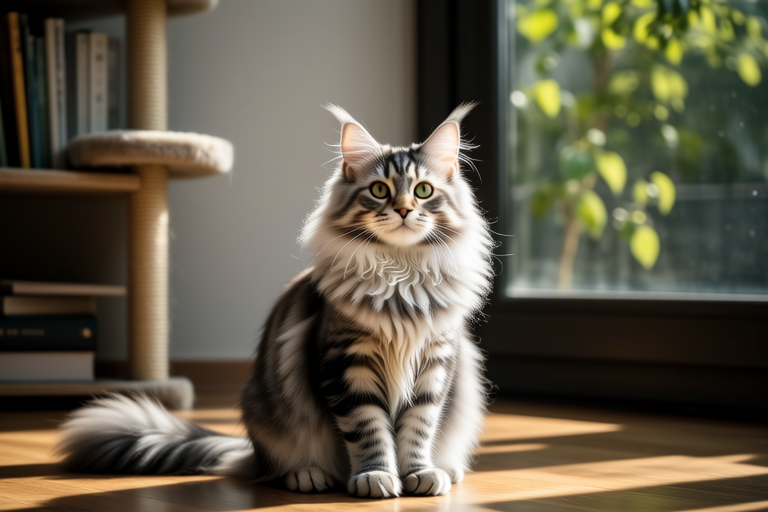
The Ultimate Guide to Keeping Your Maine Coon Purrfectly Happy
Welcome to the world of Maine Coons! These large, gentle giants are known for their intelligence, playful nature, and affectionate personalities. As one of the most popular cat breeds, they require specific care to ensure they stay healthy and happy. This guide will cover all essential aspects of Maine Coon care, from diet and exercise to grooming and mental stimulation.
Dietary Needs
Maine Coons are active cats with hearty appetites. They thrive on high-quality, protein-rich diets that support their muscular bodies and active lifestyles. Opt for commercial foods that list meat as the primary ingredient. Avoid fillers like corn or wheat, which can cause digestive issues. Consult your veterinarian about supplementing with fish oil for skin and coat health.
Feed your Maine Coon multiple small meals throughout the day instead of one large meal. This mimics their natural hunting behavior and helps maintain a healthy weight. Monitor their food intake closely, as Maine Coons are prone to obesity.
Exercise and Playtime
Maine Coons are naturally curious and energetic. Provide ample opportunities for physical activity through interactive toys, climbing structures, and window perches. Rotate toys regularly to prevent boredom. Consider using laser pointers or feather wands to encourage stalking and pouncing behaviors.
Engage in regular play sessions to strengthen the bond between you and your cat. These activities also help burn off excess energy, reducing the likelihood of destructive behaviors. Remember, Maine Coons love water, so consider introducing them to a shallow pool or fountain for additional fun.
Grooming Essentials
Despite their long fur, Maine Coons are relatively low-maintenance when it comes to grooming. Brush them at least once a week to remove loose hair and prevent matting. Use a slicker brush or wide-toothed comb, depending on your cat’s comfort level. Pay special attention to areas prone to tangles, such as behind the ears and under the tail.
Bathe your Maine Coon as needed, typically every few months. Use a mild, pH-balanced shampoo designed for cats. Gently massage the shampoo into their coat, rinse thoroughly, and towel dry. Avoid bathing too frequently, as this can strip natural oils from their skin.
Trim their nails every two weeks to prevent overgrowth. Use a cat-specific nail clipper and be cautious not to cut the quick, which can cause bleeding and discomfort. Reward your cat with treats during nail trimming sessions to create positive associations.
Health Tips
Regular veterinary check-ups are crucial for maintaining your Maine Coon’s health. Schedule annual wellness visits, and more frequent appointments if your cat has any underlying health conditions. Keep vaccinations up-to-date and monitor for signs of illness, such as changes in appetite, unusual lethargy, or respiratory issues.
Maine Coons are predisposed to certain genetic disorders, including hypertrophic cardiomyopathy (HCM), hip dysplasia, and polycystic kidney disease (PKD). Early detection and management of these conditions can significantly improve your cat’s quality of life. Discuss screening tests with your veterinarian to identify potential risks.
Provide a safe environment by securing windows with screens and keeping toxic substances out of reach. Consider installing a pet door to allow your cat supervised access to outdoor spaces while minimizing risks.
Social Interaction
Maine Coons are sociable creatures who enjoy human companionship. Spend quality time with your cat each day through petting, playing, and talking. They appreciate gentle handling and may even enjoy being carried or cuddled. Encourage children to interact with your Maine Coon in a calm, respectful manner.
If you’re introducing a new Maine Coon to your household, do so gradually to minimize stress. Allow the cats to sniff and investigate each other under controlled conditions. Offer separate feeding stations, litter boxes, and sleeping areas until they establish a comfortable relationship.
Consider adopting a second cat if your Maine Coon appears lonely or bored. Choose a compatible companion, ideally another friendly and outgoing cat. Introduce the new cat slowly and monitor interactions closely.
Training Techniques
Maine Coons are intelligent and trainable. Positive reinforcement methods, such as clicker training and reward-based systems, work well for teaching basic commands and tricks. Start by rewarding desired behaviors with treats or praise. Gradually increase the complexity of commands as your cat becomes more confident.
Teach your Maine Coon to use a scratching post by placing it near their favorite napping spots. Apply catnip or a synthetic pheromone spray to encourage interest. Once your cat starts using the post, reward them with treats or play sessions.
Discourage unwanted behaviors, such as clawing furniture or jumping on counters, by redirecting their attention to appropriate alternatives. Cover problem areas with double-sided tape or aluminum foil to make them less appealing. Consistency is key in training efforts.
Mental Stimulation
Providing mental stimulation is vital for preventing boredom and promoting cognitive development. Rotate toys periodically to keep things interesting. Puzzle feeders and treat-dispensing toys challenge your cat’s problem-solving skills while encouraging independent play.
Create an enriched environment by offering various hiding spots, elevated perches, and interactive play areas. Consider setting up a multi-level cat tree with platforms, tunnels, and hammocks. These structures mimic natural habitats and offer opportunities for exploration.
Engage in interactive games that stimulate both body and mind. Try hide-and-seek with treats or engage in fetch-like activities using lightweight toys. These activities not only entertain but also strengthen the bond between you and your cat.
Behavioral Traits and Solutions
Maine Coons are generally good-natured and easygoing, but they may exhibit certain behaviors that require attention. For example, some Maine Coons are vocal, meowing frequently to communicate their needs. Respond consistently to their cues without reinforcing excessive meowing. Teach your cat to use a bell collar to signal their presence.
Separation anxiety can affect Maine Coons left alone for extended periods. Counteract this by providing plenty of mental and physical stimulation before leaving. Leave familiar items, such as toys or bedding, to comfort your cat. Consider hiring a pet sitter or utilizing video monitoring systems to alleviate anxiety.
If your Maine Coon displays aggression or territorial behavior, address the issue promptly. Redirect aggressive tendencies toward appropriate outlets, such as toys or scratching posts. Consult a professional trainer or behaviorist if necessary. Positive reinforcement techniques can help modify unwanted behaviors effectively.
Conclusion
Caring for a Maine Coon requires dedication and attention to detail. By understanding their dietary needs, providing adequate exercise, maintaining proper grooming routines, and addressing health concerns proactively, you can ensure your cat remains healthy and happy. Social interaction, training, and mental stimulation further enhance their well-being, fostering a strong bond between you and your beloved feline friend.
Embrace the unique qualities of your Maine Coon and celebrate their playful, affectionate nature. With proper care and attention, your cat will lead a fulfilling, joyful life filled with purrs and cuddles.
