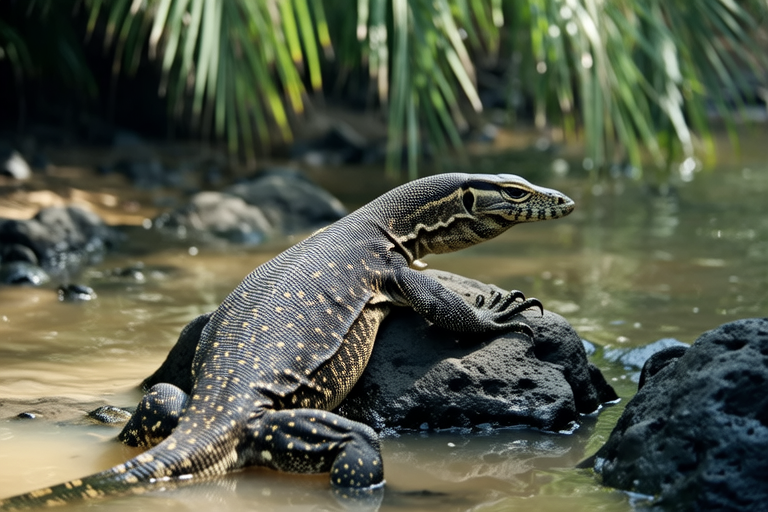
The Ultimate Guide to Understanding and Caring for Your Water Monitor
Water monitors (Varanus salvator) are among the largest lizards in the world and make fascinating pets for experienced reptile enthusiasts. However, they come with significant challenges and responsibilities. This comprehensive guide will cover their natural habitat, dietary needs, housing requirements, health issues, behavioral traits, and handling tips. It also emphasizes the importance of thorough research and preparation before bringing home a water monitor.
Natural Habitat
Native to Southeast Asia, water monitors thrive in diverse environments ranging from dense tropical forests to mangrove swamps, rivers, and coastal areas. They are excellent climbers and swimmers, often seen basking on branches near water bodies or diving into them to escape predators or search for food. In captivity, replicating these conditions is essential for their well-being.
Dietary Needs
Water monitors are carnivorous and require a varied diet rich in protein. Their menu includes insects, small mammals, birds, fish, amphibians, eggs, and carrion. Juveniles can be fed daily, while adults may eat every two to three days. Proper nutrition ensures optimal growth and overall health.
- Insects: Crickets, mealworms, superworms, and roaches are great options.
- Mammals: Mice, rats, and chicks can supplement their diet.
- Birds: Small birds like quails or pigeons.
- Fish: Freshwater or saltwater varieties.
- Eggs: Scrambled or hard-boiled chicken or quail eggs.
- Carrion: Cooked meat occasionally.
Supplementing meals with calcium and vitamin D3 helps prevent metabolic bone disease. Always gut-load feeder insects with nutritious foods before offering them to your monitor.
Housing Requirements
Adequate space is crucial for water monitors’ physical and mental health. A juvenile monitor might start in a 4 x 2 x 2-foot enclosure but will eventually need an enclosure at least 8 x 4 x 4 feet. For full-grown adults, enclosures should be even larger. Consider using a glass terrarium or custom-built wooden cages lined with waterproof materials.
Temperature gradients between 75°F and 95°F (24°C to 35°C) are ideal. Use heat lamps, ceramic heaters, or under-tank heating pads to maintain these temperatures. UVB lighting is necessary for vitamin D3 synthesis, promoting healthy bone development.
Water monitors require both land and water areas. The water area should be large enough for swimming and deep enough for submersion. Filtration systems help keep水质
