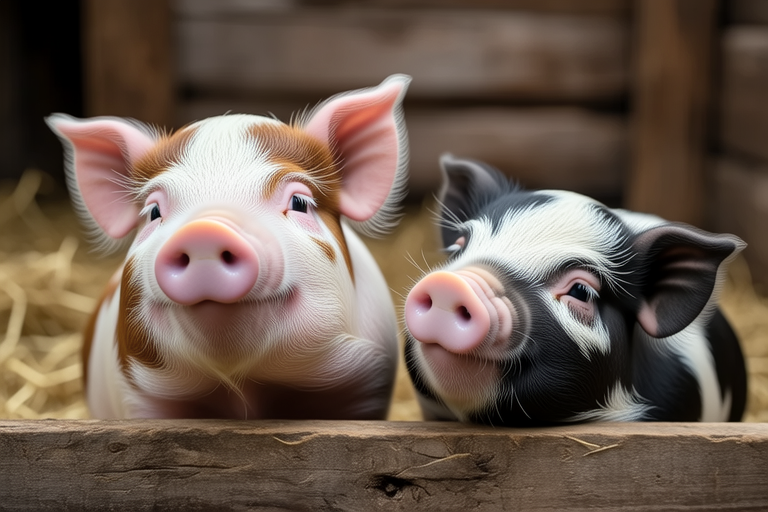
Understanding Guinea Pigs: Their Unique Forms of Communication
Guinea pigs have long been cherished companions, offering joy and companionship to their human caretakers. These small, furry creatures, native to the Andes Mountains, have become popular pets worldwide due to their gentle nature and endearing personalities. Beyond their physical charm, guinea pigs possess a rich repertoire of communication methods that allow them to convey their needs, emotions, and intentions. Understanding these forms of expression is key to building a strong bond with your pet and ensuring its well-being.
The Bond Between Humans and Guinea Pigs
The relationship between humans and guinea pigs is often built on mutual affection and trust. Known for their docile demeanor, guinea pigs quickly adapt to their surroundings and form close bonds with their owners. This connection is nurtured through regular interaction, play, and care. Guinea pigs are social animals and thrive in environments where they feel safe and loved. As a result, many owners find that spending quality time with their guinea pigs strengthens the bond and enhances the overall experience of pet ownership.
Vocalizations: The Language of Guinea Pigs
One of the most fascinating aspects of guinea pig communication is their vocal repertoire. These small mammals are quite vocal, and understanding the different sounds they make can provide valuable insights into their emotional states.
Chirping: A Sign of Contentment
Among the various sounds guinea pigs produce, chirping is one of the most common and pleasant noises. Chirps are typically high-pitched and can be heard when the guinea pig is happy, excited, or anticipating something enjoyable, such as mealtime or playtime. Owners may notice their pets chirping more frequently during bonding sessions or when they are being petted gently. This sound is a clear indicator of contentment and can be seen as a positive sign that your guinea pig is comfortable and secure in its environment.
Squeaking: Expressing Discomfort or Pain
Squeaking, on the other hand, is often associated with discomfort or pain. If your guinea pig emits a sharp, high-pitched squeak, it could be signaling that it’s experiencing some sort of distress. Possible causes include physical discomfort, fear, or even mild pain. It’s important for owners to pay attention to this sound and investigate the cause. Squeaking can also occur when a guinea pig is startled or feels threatened, so creating a calm and predictable environment can help reduce instances of this distress signal.
Rumbling: A Display of Affection
Another intriguing vocalization is the rumble. This deep, vibrating sound is often associated with courtship behavior in males, but it can also be a sign of affection. When a guinea pig rumbles, it might be expressing its contentment or seeking attention from its owner. This sound is sometimes accompanied by gentle nudging or head rubbing, which further reinforces the affectionate nature of the behavior. Observing these interactions can deepen the bond between you and your pet, as it demonstrates the guinea pig’s desire for companionship.
Non-Vocal Communication: Body Language and Posture
In addition to vocalizations, guinea pigs rely heavily on body language and posture to communicate their feelings. Understanding these non-verbal cues can provide deeper insight into your pet’s emotional state.
Posture Changes: Indicators of Mood
Posture changes can reveal a great deal about a guinea pig’s mood. For example, a relaxed guinea pig will often stretch out on its side, indicating that it feels safe and comfortable. Conversely, if a guinea pig is hunched up or crouched low, it may be feeling scared or anxious. Tail movements can also be significant; a flicking tail may suggest excitement or agitation. By paying attention to these subtle shifts in posture, owners can better understand what their pets are trying to communicate.
Body Language: Signals of Hunger or Stress
Body language can also signal specific needs, such as hunger or stress. A guinea pig that is pacing back and forth or constantly moving around its enclosure may be signaling that it’s hungry or bored. On the other hand, signs of stress can include excessive grooming or hiding in corners. Recognizing these behaviors allows owners to address their pets’ needs promptly, ensuring a healthier and happier living environment.
Interpreting Signals for Better Care
Being attuned to the various sounds and behaviors of your guinea pig is crucial for providing the best possible care. Here are some tips for owners to interpret these signals effectively:
- Observe Regularly: Spend time observing your guinea pig daily to familiarize yourself with its typical behaviors and vocalizations. This will help you recognize any deviations that may indicate a change in health or mood.
- Listen Carefully: Pay attention to the pitch, volume, and frequency of the sounds your guinea pig makes. Each sound can carry a different meaning, and understanding these nuances can enhance your ability to respond appropriately.
- Provide a Safe Environment: Ensure that your guinea pig’s living space is secure and free from potential stressors. A calm and predictable environment can reduce anxiety-related behaviors and promote overall well-being.
- Engage in Positive Reinforcement: Reward your guinea pig with treats and affection when it exhibits desired behaviors. This not only strengthens the bond but also encourages healthy communication patterns.
Fostering a Strong Connection
To foster a strong connection with your guinea pig, it’s essential to be an attentive observer and engage in positive reinforcement. By consistently responding to your pet’s signals, you can build a trusting relationship based on mutual understanding and respect.
Regular interaction and playtime are vital components of this process. Guinea pigs enjoy social activities and can benefit greatly from structured play sessions. Additionally, providing a variety of toys and enrichment activities can stimulate mental and physical health. Remember that every guinea pig is unique, and what works for one may not work for another. Therefore, it’s important to tailor your approach to suit the individual needs and preferences of your pet.
In conclusion, understanding the unique forms of communication employed by guinea pigs can significantly enhance the bond between pet and owner. By paying close attention to their vocalizations, body language, and postures, you can gain valuable insights into their emotional states and needs. This knowledge allows you to provide better care and create a nurturing environment where your guinea pig can thrive. With consistent effort and attentiveness, you can foster a strong and lasting connection with your beloved pet, ensuring a lifetime of companionship and joy.
