The History and Characteristics of Abyssinian Cats
The Abyssinian cat is one of the most fascinating and beloved feline breeds. Known for their striking appearance and lively personalities, these cats have a rich history that dates back thousands of years. Their unique genetic traits, combined with an intriguing past, make them a subject of interest for both cat enthusiasts and historians alike.
Ancient Origins and Theories of Ancestry
The origins of the Abyssinian cat are steeped in mystery and speculation. One popular theory suggests that they descended from the sacred cats of ancient Egypt. These ancient felines were revered and often depicted in Egyptian art, and some believe that the Abyssinian’s distinctive features may be a result of interbreeding with these early domesticated cats. Another theory posits that the breed originated in the port city of Alexandria, where British sailors brought them back to England in the mid-19th century.
Regardless of their exact origin, it is widely accepted that the Abyssinian’s ancestors were likely native to coastal regions of the Indian Ocean and parts of Southeast Asia. Historical records indicate that the breed was first introduced to Europe in the late 1860s, when they were exhibited at cat shows in England. Since then, the Abyssinian has become a popular choice among cat lovers worldwide.
Physical Attributes
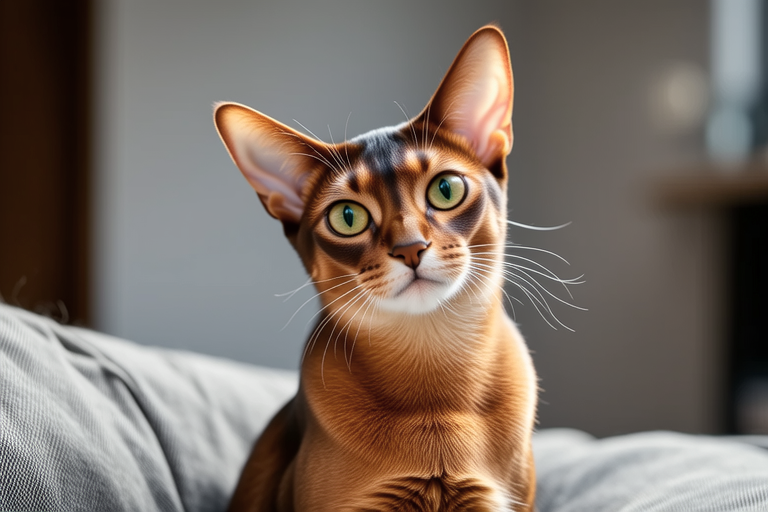
The Abyssinian cat is easily recognizable by its sleek, athletic build and striking appearance. They possess a medium-sized body, muscular yet graceful, with long legs and a slender tail. Their head is wedge-shaped, accentuated by large, expressive ears and almond-shaped eyes that come in shades of green, gold, or hazel. It is these enigmatic eyes that often captivate observers, adding to the breed’s exotic allure.
Perhaps the most distinctive feature of the Abyssinian is their coat. Characterized by a unique ticked pattern, each hair possesses bands of color, creating a shimmering effect that resembles the texture of agouti fur found in wild animals. This distinctive coat pattern, known as “ticking,” gives the Abyssinian a wild and untamed look, further enhancing their appeal. The coat color can vary, with common variations including ruddy (a reddish-brown base with black ticking), blue (a bluish-gray base with dark gray ticking), fawn (a warm beige base with light brown ticking), and cinnamon (a soft reddish-brown base with dark brown ticking).
Temperament and Intelligence
Beyond their striking appearance, Abyssinians are renowned for their playful and intelligent nature. These cats are highly active, always on the move, and love to explore their surroundings. They are curious creatures, often engaging in playful antics and displaying a mischievous streak. Their intelligence makes them quick learners, and they enjoy interactive toys and puzzles that challenge their minds.
Abyssinians are social cats that thrive on human interaction and companionship. They form strong bonds with their owners and are often affectionate, though they may be more reserved with strangers. Despite their independent nature, they prefer to be near their humans, seeking out attention and affection whenever possible. Their loyalty and devotion make them cherished members of many households.
Common Health Issues
Like all breeds, Abyssinians are prone to certain health conditions. One of the most significant concerns for this breed is Periodontal Disease, which can lead to tooth loss and other dental problems if not addressed. Regular dental check-ups and proper oral hygiene practices are essential for maintaining their overall health.
Another condition that affects some Abyssinians is Pyruvate Kinase Deficiency (PKD), a genetic disorder that can cause anemia and other serious health issues. Responsible breeding practices and genetic testing can help reduce the prevalence of this condition in the breed.
Care Requirements
Proper care is crucial for ensuring the well-being of an Abyssinian cat. Their short, fine coat requires minimal grooming, but regular brushing helps remove loose hairs and prevent matting. Paying attention to their diet is also important; providing a balanced, high-quality cat food will support their overall health and vitality.
Regular veterinary check-ups are necessary to monitor their health and address any potential issues promptly. Additionally, keeping their living environment clean and stimulating is essential for their mental and physical well-being. Providing plenty of toys and scratching posts encourages exercise and keeps them mentally engaged.
Tips for Potential Owners
If you’re considering adopting an Abyssinian, there are several factors to keep in mind. First and foremost, ensure that you have the time and resources to provide the care and attention they require. These cats thrive on interaction and companionship, so being home frequently is beneficial.
Secondly, consider whether your lifestyle aligns with the needs of an active and curious cat. Abyssinians are energetic and need ample space to roam and play. They are not suited for homes where they would be left alone for extended periods.
Lastly, research reputable breeders who prioritize the health and well-being of their cats. Adopting from a responsible breeder ensures that you bring home a healthy, well-socialized kitten that will be a joy to have in your household.
The Enduring Appeal of Abyssinian Cats
The enduring appeal of Abyssinian cats lies in their captivating blend of beauty and personality. Their ancient lineage, coupled with their unique genetic traits, creates a breed that is both exotic and endearing. In modern households, they continue to captivate hearts with their playful antics, loyal nature, and striking appearance.
Whether you’re drawn to their enigmatic eyes, their ticked coats, or their intelligent and affectionate personalities, Abyssinian cats offer a unique and rewarding companionship. Their presence adds a touch of elegance and charm to any home, making them cherished members of many families.
