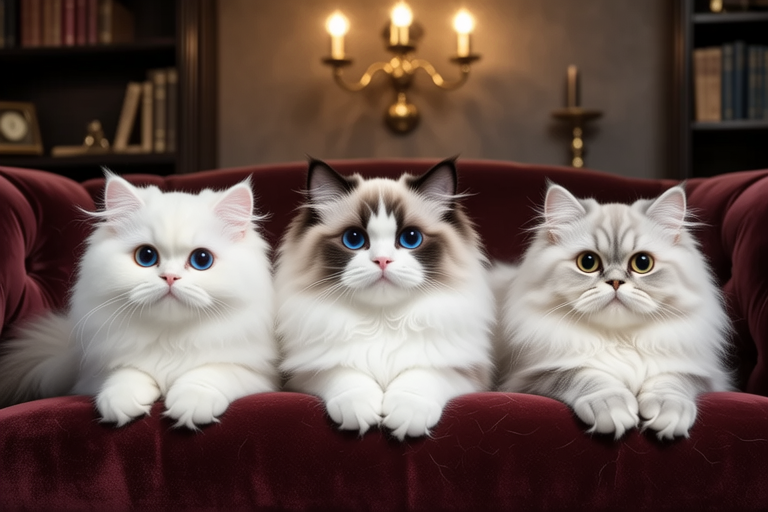
Adorable Persian Cats: From Royal Pets to Internet Sensations
Persian cats have long captured the hearts of people around the world with their luxurious coats, expressive eyes, and gentle demeanor. Originally bred as royal pets in ancient Persia, these felines have evolved into internet sensations, captivating millions with their charm and elegance. This article delves into the rich history of Persian cats, their physical characteristics, temperament, grooming needs, and popular myths. It also explores their portrayal in art and literature, their rise to fame on social media, and concludes with essential tips for potential owners.
The Origins of Persian Cats
The story of Persian cats begins in ancient Persia (modern-day Iran), where they were cherished by royalty and nobility. These cats were prized for their beauty and grace, often accompanying their owners to court. Persian cats were first introduced to Europe in the 1600s, thanks to Dutch traders who brought them to Italy and France. The breed quickly gained popularity among European aristocracy, further solidifying its reputation as a symbol of luxury and refinement.
Physical Characteristics
Persian cats are instantly recognizable by their long, flowing coats, which come in a variety of colors and patterns. Their faces are characterized by their flat noses, wide-set eyes, and short muzzles, giving them an almost human-like expression. These features contribute to their distinctive appearance and endearing nature. Persian cats typically weigh between 7 to 12 pounds, with males generally being larger than females.
Temperament and Personality
Known for their calm and affectionate nature, Persian cats make excellent companions. They are generally docile and enjoy spending time with their owners, often seeking out attention and affection. However, they are not overly demanding and can be content lounging around the house. Persian cats tend to be quieter than other breeds, making them ideal for apartment living or households with young children.
Grooming Needs
Besides their striking appearance, Persian cats are known for their high maintenance grooming requirements. Their long, dense fur requires daily brushing to prevent matting and tangling. Owners must also pay special attention to their facial folds, cleaning them regularly to avoid infections. While this level of care may seem daunting, many Persian cat enthusiasts find the process rewarding and enjoyable.
Popular Myths Surrounding Persian Cats
Despite their popularity, several misconceptions surround Persian cats. One common myth is that they are prone to health issues due to their flat faces. While it’s true that some Persians may experience breathing difficulties or eye problems, responsible breeding practices have significantly reduced these risks. Another myth is that Persian cats are lazy and uninterested in play. In reality, they enjoy interactive toys and games, especially those that stimulate their curiosity and intelligence.
Famous Persian Cats Throughout History
Persian cats have appeared in various forms of art and literature throughout history. One notable example is Cheshire Cat from Lewis Carroll’s Alice’s Adventures in Wonderland, whose character is often associated with Persian cats due to its iconic smile and mischievous personality. Persian cats have also been featured in paintings by artists such as Jean-Baptiste Oudry and Sir Edwin Landseer, who captured their elegance and grace on canvas.
Rise to Fame on Social Media
In recent years, Persian cats have become internet sensations, captivating audiences with their adorable antics and photogenic appearances. Social media platforms like Instagram, Twitter, and TikTok have played a significant role in popularizing these felines. Many Persian cat owners share pictures and videos of their pets, showcasing their unique personalities and interactions with their human families.
One famous example is Maru, a Persian cat who gained worldwide fame through YouTube videos showcasing his love for boxes. Another popular Persian cat is Lil Bub, known for her distinctive appearance and playful demeanor. Both cats have amassed millions of followers and inspired countless imitations and parodies.
Tips for Potential Owners
If you’re considering adopting a Persian cat, there are several factors to keep in mind. First and foremost, ensure that you’re prepared for the time and effort required to maintain their coat. Regular grooming is essential to keep your Persian cat healthy and happy. Additionally, provide them with a comfortable living environment, including soft bedding and plenty of space to stretch and relax.
Persian cats thrive on attention and affection, so spend quality time with your pet each day. Interactive toys and games can help stimulate their minds and bodies, keeping them engaged and entertained. Finally, consult with a veterinarian to ensure your Persian cat receives proper medical care and vaccinations.
By following these tips and providing your Persian cat with love and care, you’ll be rewarded with a loyal and affectionate companion for years to come.
