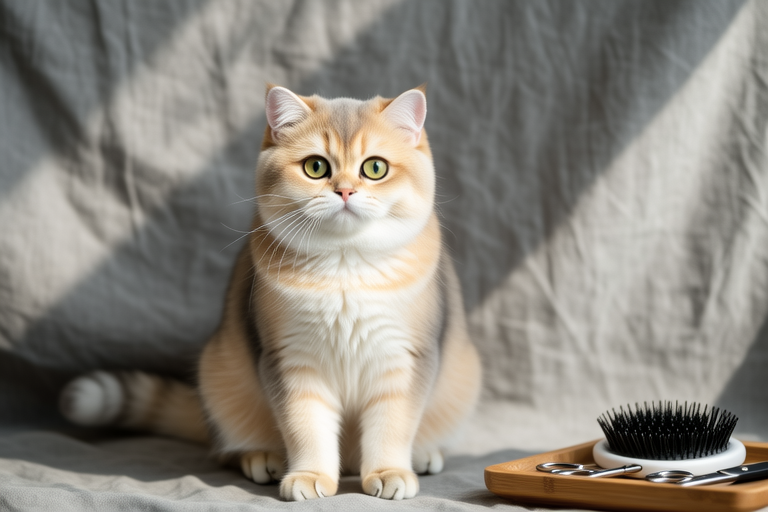
How to Groom Your Golden British Shorthair Like a Pro
Welcome to your comprehensive guide on grooming your Golden British Shorthair. Whether you’re a seasoned pet owner or a first-time cat parent, this article will help you understand the importance of regular grooming, the tools you’ll need, and how to perform each task with confidence. We’ll cover everything from brushing and bathing to nail trimming and ear cleaning, ensuring your Golden British Shorthair remains healthy, happy, and looking their best.
Essential Grooming Tools Needed
To keep your Golden British Shorthair looking its best, you’ll need a variety of tools. These include:
- A slicker brush for removing loose hair and preventing matting.
- A comb with fine teeth for smoothing out any tangles.
- Cat-specific shampoo and conditioner for baths.
- Nail clippers designed for cats.
- An ear cleaner and cotton balls for cleaning the ears.
- Toothbrush and toothpaste formulated for cats.
It’s important to invest in high-quality products that are safe and effective for your pet. Look for items that are specifically made for cats, as they can be more sensitive than dogs.
Frequency of Grooming
The frequency of grooming depends on several factors, including the season, your cat’s activity level, and their overall health. Generally, you should aim to brush your cat at least once a week, especially if they have a long or thick coat like the Golden British Shorthair. Bathing should be done less frequently, typically every few months, unless your cat gets particularly dirty or smelly.
Step-by-Step Instructions for Bathing
Bathing your Golden British Shorthair can be a challenge, but it’s essential for maintaining their hygiene. Follow these steps to ensure a successful bath:
- Prepare the bathroom: Fill a sink or bathtub with warm water and add a small amount of cat-safe shampoo. Make sure the temperature is comfortable for your cat.
- Brush your cat: Before wetting your cat, use a slicker brush to remove any loose fur. This helps prevent matting and makes the bathing process smoother.
- Wet your cat: Gently wet your cat’s coat, avoiding the head and face. Use a cup or spray nozzle to control the flow of water.
- Lather: Apply shampoo to your cat’s body, working it into a lather. Be gentle around the eyes, ears, and mouth.
- Rinse: Rinse thoroughly, making sure all soap is removed. Pay special attention to areas where soap tends to accumulate, such as under the legs and near the tail.
- Dry: Wrap your cat in a towel and gently pat them dry. You may also use a blow dryer on a low, cool setting if your cat tolerates it.
Golden British Shorthairs have a beautiful golden coat, which can be prone to oiliness. Regular brushing helps distribute natural oils evenly and keeps the coat shiny and healthy.
Step-by-Step Instructions for Brushing
Brushing is one of the most important aspects of grooming your Golden British Shorthair. It helps remove loose fur, prevents matting, and stimulates blood circulation. Here’s how to do it:
- Choose the right brush: Use a slicker brush for daily brushing. If your cat has particularly long fur, you might also want to use a comb with fine teeth.
- Start at the head: Begin brushing your cat’s head and work your way down to the tail. Pay extra attention to areas where mats tend to form, such as behind the ears and under the legs.
- Be gentle: Use light, gentle strokes, and avoid pulling on the fur. If you encounter a tangle, try to work it out with your fingers before using the brush.
- Check for mats: After brushing, check your cat’s coat for any remaining mats. If you find one, carefully cut it out with scissors designed for pets.
Golden coats can be prone to oiliness, so regular brushing is crucial to maintain their shine and prevent any buildup of dirt or debris.
Step-by-Step Instructions for Nail Trimming
Nail trimming is an important part of grooming that many pet owners dread. However, with patience and practice, it can become a routine task. Here’s how to trim your Golden British Shorthair’s nails:
- Get the right tools: Use a pair of cat-specific nail clippers. These are designed to provide a clean cut and minimize the risk of injury.
- Start slow: Sit with your cat on your lap or on a stable surface. Start by getting them used to having their paws handled. Gently press on the paw pad to extend the nail.
- Trim carefully: Clip only the tip of the nail, avoiding the quick (the pink area inside the nail). If you accidentally cut the quick, apply a styptic pencil or powder to stop the bleeding.
- Reward good behavior: Praise your cat and offer treats after each successful nail trim. This helps build a positive association with the process.
Golden British Shorthairs often have clear or white nails, making it easier to see the quick. Be cautious and take your time to avoid cutting too close.
Step-by-Step Instructions for Ear Cleaning
Ear cleaning is essential for preventing infections and keeping your Golden British Shorthair’s ears healthy. Here’s how to clean your cat’s ears:
- Get the right tools: Use a cat-specific ear cleaner and cotton balls. Avoid using Q-tips, as they can damage the ear canal.
- Inspect the ears: Check for any signs of infection, such as redness, swelling, or discharge. If you notice anything unusual, consult your veterinarian.
- Clean gently: Squeeze a small amount of ear cleaner into each ear, then massage the base of the ear for about 30 seconds. Allow your cat to shake their head, then use cotton balls to wipe away any excess debris.
- Reward good behavior: Praise your cat and offer treats after each successful ear cleaning session.
Golden coats can sometimes make it harder to see inside the ears, so take your time and be thorough.
Step-by-Step Instructions for Teeth Brushing
Good dental hygiene is vital for your Golden British Shorthair’s overall health. Here’s how to brush your cat’s teeth:
- Get the right tools: Use a cat-specific toothbrush and toothpaste. Human toothpaste can be harmful to cats.
- Introduce slowly: Start by letting your cat lick some toothpaste off your finger. Gradually introduce the toothbrush over several days.
- Brush gently: Lift your cat’s lip and brush each tooth, focusing on the gum line. Be gentle and patient, as some cats may resist at first.
- Reward good behavior: Praise your cat and offer treats after each successful teeth brushing session.
Golden coats can sometimes make it harder to see inside the mouth, so take your time and be thorough.
Grooming Challenges and Tips for Golden Coats
Golden coats can present unique challenges when it comes to grooming. Here are some tips to help you overcome these challenges:
- Oily coat: Golden coats can be prone to oiliness, which can lead to a dull appearance. Regular brushing helps distribute natural oils evenly and keeps the coat shiny and healthy.
- Hiding dirt: The color of the coat can hide dirt and debris, making it harder to spot. Regular grooming helps keep the coat clean and healthy.
- Sensitive skin: Some Golden British Shorthairs may have sensitive skin, which can react to certain shampoos or grooming products. Always choose hypoallergenic products and test them on a small area before use.
Signs of Potential Health Issues During Grooming
During grooming, pay attention to any signs of potential health issues. These can include:
- Redness or swelling: This could indicate an infection or inflammation.
- Discharge: Any unusual discharge from the ears, eyes, or mouth could be a sign of infection.
- Unusual odors: A strong, foul odor could indicate an infection or other underlying issue.
If you notice any of these signs, consult your veterinarian as soon as possible.
Rewarding Good Behavior During Grooming Sessions
Positive reinforcement is key to making grooming sessions enjoyable for both you and your Golden British Shorthair. Here are some ways to reward good behavior:
- Offer treats: Give your cat a treat after each successful grooming task. This helps build a positive association with the process.
- Praise your cat: Use soothing tones and praise your cat throughout the session. This helps create a calm and positive atmosphere.
- Use calming aids: Consider using calming aids, such as pheromone sprays or diffusers, to help your cat relax during grooming.
By following these tips, you can turn grooming sessions into enjoyable bonding experiences for both you and your Golden British Shorthair.
With the right tools, techniques, and patience, you can groom your Golden British Shorthair like a pro. Regular grooming not only keeps your cat looking their best but also helps maintain their overall health. By paying attention to signs of potential health issues and rewarding good behavior, you can ensure that grooming sessions are stress-free and enjoyable for both you and your pet. Happy grooming!
