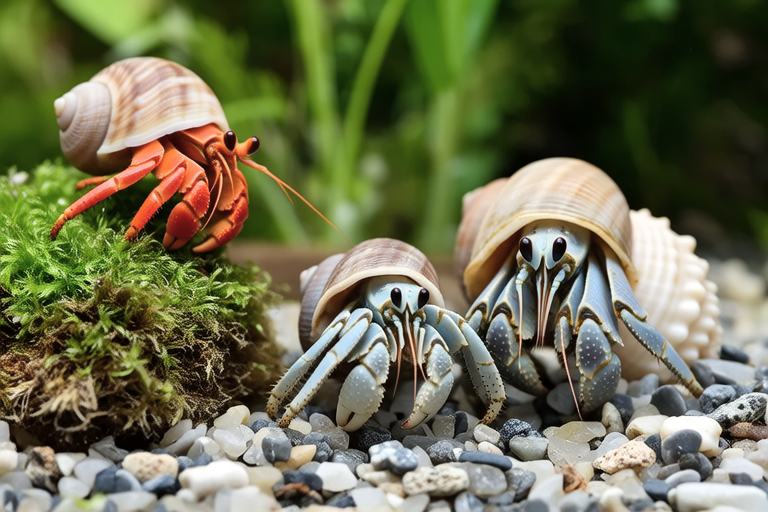
Hermit Crabs: The Coolest Low-Maintenance Pets You Didn’t Know You Needed
Welcome to the world of hermit crabs, those quirky, colorful little creatures that have been captivating pet enthusiasts for years. Hermit crabs are not only fascinating to watch but also incredibly easy to care for, making them the perfect choice for anyone looking for a low-maintenance pet. In this article, we will explore the unique characteristics and appealing qualities of hermit crabs, delve into their care requirements, and provide you with all the information you need to bring these delightful creatures into your home.
Understanding Hermit Crabs
Hermit crabs are small crustaceans known for their distinctive habit of carrying their homes—seashells—on their backs. Unlike true crabs, which have hard shells covering their entire bodies, hermit crabs have soft abdomens that they protect by moving into empty snail shells. This behavior has earned them the nickname “hermits” because they live alone in their portable homes. Hermit crabs come in various colors, from bright reds and oranges to cool blues and purples, adding a splash of vibrancy to any home.
One of the most endearing qualities of hermit crabs is their gentle nature. They are peaceful creatures that pose no threat to humans or other animals, making them ideal pets for families with children or those who prefer non-aggressive companions. Additionally, hermit crabs are social animals that thrive in groups, so keeping multiple hermit crabs together can be a rewarding experience. Watching them interact and play is both entertaining and educational, offering a glimpse into the complex behaviors of these tiny creatures.
Low-Maintenance Care Requirements
One of the primary reasons hermit crabs are such popular pets is their relatively low-maintenance care requirements. Their needs are simple, making them an excellent choice for busy individuals or first-time pet owners. Let’s dive into the essential aspects of hermit crab care:
Habitat Setup
The first step in setting up a suitable environment for your hermit crabs is choosing the right tank. A ten-gallon aquarium is typically sufficient for a small group of hermit crabs, but larger tanks are recommended for more crabs. Ensure the tank has a secure lid to prevent escapes, as hermit crabs are quite adventurous and curious.
For the substrate, coconut fiber or a mixture of sand and gravel works well. These materials mimic the natural environments of hermit crabs and allow them to burrow comfortably. Avoid using sharp or toxic substrates like crushed coral or kitty litter, as these can harm your hermit crabs.
Decorations and hiding spots are crucial for creating a stimulating environment. Rocks, driftwood, and ceramic caves provide places for your hermit crabs to hide and feel secure. Adding a shallow water dish is also important, as hermit crabs need access to fresh water for drinking and soaking. Make sure the water level is shallow enough to prevent drowning.
Diet
Hermit crabs are omnivores, meaning they eat both plant-based and animal-based foods. Their diet should include a variety of fruits, vegetables, and proteins. Fresh fruits like apples, bananas, and grapes are great treats, while vegetables such as carrots and sweet potatoes offer essential nutrients. Protein sources like fish flakes, shrimp, and boiled eggs can be offered sparingly.
In addition to their regular diet, hermit crabs require calcium and vitamin supplements to maintain healthy exoskeletons. Crushed eggshells or calcium-rich cuttlebones can be provided for this purpose. It’s important to note that hermit crabs should not be fed processed human foods like chips or candy, as these can be harmful to their health.
Interaction Needs
While hermit crabs are social creatures, they don’t require constant interaction with their owners. In fact, excessive handling can stress them out. Instead, observe your hermit crabs from a distance and enjoy watching their natural behaviors. If you do choose to handle them, always do so gently and avoid picking them up by their shells, as this can cause injury. Using tongs or wearing gloves can help ensure a safe and comfortable experience for both you and your hermit crabs.
Common Myths About Hermit Crab Care
Despite their popularity, there are several misconceptions surrounding hermit crab care. Let’s address some of the most common myths:
Myth 1: Hermit Crabs Don’t Need Water
This is one of the most prevalent myths about hermit crabs. While hermit crabs can survive without direct access to water, it’s essential to provide them with a shallow water dish. Hermit crabs need to soak periodically to stay hydrated and to aid in molting, the process by which they shed their exoskeletons and grow new ones.
Myth 2: Hermit Crabs Can Survive Without Salt
Another misconception is that hermit crabs don’t require salt. However, hermit crabs need a source of salt to maintain proper osmotic balance in their bodies. Providing a small dish of marine salt water in addition to fresh water helps ensure their health and well-being.
Myth 3: Hermit Crabs Don’t Need Hiding Spots
Contrary to popular belief, hermit crabs need plenty of hiding spots to feel secure and reduce stress. Offering rocks, driftwood, and ceramic caves creates a stimulating environment that mimics their natural habitats and encourages healthy behaviors.
Handling and Interacting Safely
When handling hermit crabs, it’s essential to prioritize their safety and comfort. Always use gentle, slow movements when approaching them, and avoid sudden or jerky motions that could startle them. When picking up a hermit crab, support its shell with one hand and gently lift it with the other. Never grab a hermit crab by its antennae or legs, as this can cause injury.
If you’re unsure about handling your hermit crabs, consider using tongs or wearing gloves. These tools provide additional control and protection, ensuring a safe and enjoyable experience for everyone involved. Remember, hermit crabs are delicate creatures, and improper handling can lead to stress or injury.
Why Hermit Crabs Make Ideal Pets
Hermit crabs are ideal pets for several reasons. Their low-maintenance care requirements make them perfect for busy individuals or first-time pet owners. The simplicity of their habitat setup, diet, and minimal interaction needs means you can enjoy the company of these fascinating creatures without the added stress of complicated care routines.
Additionally, hermit crabs offer a unique and educational experience. Observing their behaviors and interactions provides insight into the complex world of these small creatures. Whether you’re a seasoned animal lover or a curious beginner, hermit crabs offer a rewarding and engaging companionship that can captivate and inspire.
Finally, hermit crabs are social animals that thrive in groups, making them an excellent choice for families or individuals who want to share the experience with others. Watching multiple hermit crabs interact and play is both entertaining and educational, offering a glimpse into the intricate behaviors of these tiny creatures.
In conclusion, hermit crabs are the coolest low-maintenance pets you didn’t know you needed. With their unique characteristics, gentle nature, and fascinating behaviors, they offer a rewarding and enriching experience for pet owners of all levels. By providing a suitable habitat, proper diet, and minimal interaction, you can ensure the health and happiness of your hermit crab companions. So why not give these charming creatures a chance and discover the joy of having hermit crabs as part of your family?
