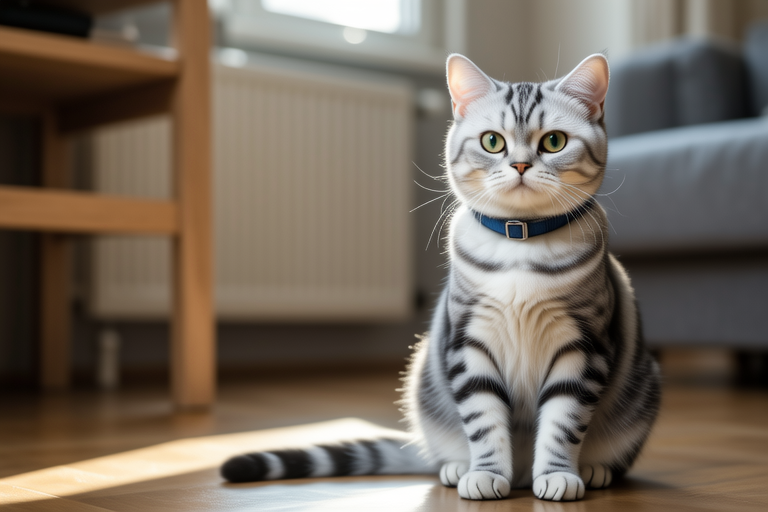
The Ultimate Guide to Caring for Your American Shorthair: Tips and Tricks
As a responsible pet owner, you want the best for your American Shorthair cat. This guide will provide you with essential information on how to care for your feline friend, covering aspects such as diet, grooming, exercise, healthcare, behavior training, and common issues faced by American Shorthair owners.
Diet
Proper nutrition is crucial for maintaining your American Shorthair’s health. Cats are obligate carnivores, meaning they need a diet rich in animal proteins. High-quality commercial cat foods that list meat as the primary ingredient are generally sufficient. However, it’s important to avoid feeding them too many carbohydrates or fillers, which can lead to obesity and other health problems.
American Shorthairs have a moderate metabolism, so they need a balanced diet that provides enough energy without causing weight gain. Feeding your cat twice daily with measured portions helps maintain a healthy weight and prevents overeating. Additionally, always ensure fresh water is available. Water intake is vital for digestion and overall health, especially since cats have a low thirst drive compared to other animals.
Scientifically, cats require certain nutrients like taurine, an amino acid essential for heart and eye health. Taurine deficiency can cause serious health issues, including blindness and heart failure. Therefore, choosing a high-quality food that meets these nutritional needs is paramount.
Grooming
Despite their short fur, American Shorthairs still require regular grooming to keep their coat healthy and free from mats or debris. Weekly brushing with a soft bristle brush or rubber curry comb helps distribute natural oils throughout the coat and removes loose hair. This process also stimulates blood circulation, promoting healthier skin.
Bathing isn’t typically necessary unless your cat gets very dirty. Over-bathing can strip away essential oils from their skin, leading to dryness and irritation. If bathing becomes necessary, use a mild shampoo specifically formulated for cats and rinse thoroughly to prevent residue buildup.
Nail trimming is another important aspect of grooming. Long nails can become uncomfortable for your cat and may even curl back into the paw pad if left untrimmed. Use sharp, rounded scissors designed for cat nails and trim only the tip of the nail, avoiding the quick (the pink part inside the nail) as this contains nerves and blood vessels.
Exercise
American Shorthairs are moderately active cats but don’t require extensive exercise like some breeds. Providing toys that encourage physical activity, such as interactive laser pointers or feather wands, can help keep them entertained and engaged. Daily play sessions of about 15-20 minutes are ideal.
Environmental enrichment is equally important. Cats enjoy exploring new environments, so consider creating vertical spaces within your home for climbing and perching. This could include cat trees, shelves, or even simple cardboard boxes stacked together. These structures not only provide exercise but also mental stimulation, helping reduce boredom-related behaviors like scratching furniture or excessive vocalization.
Health Care
Vaccinations are critical in preventing infectious diseases that can be fatal to cats. Consult your veterinarian about a vaccination schedule appropriate for your region and lifestyle. Common vaccines include those for rabies, feline leukemia virus (FeLV), and feline immunodeficiency virus (FIV).
Dental hygiene is often overlooked but plays a significant role in overall health. Periodontal disease, caused by plaque and tartar buildup, can lead to severe infections affecting internal organs. Regular tooth brushing using pet-safe toothpaste and dental treats can help maintain oral health. Annual dental checkups with your vet are also recommended.
Regular veterinary visits are essential for early detection of potential health issues. During these visits, your vet will perform routine examinations, check vital signs, and discuss any concerns you might have regarding your cat’s behavior or health. Early intervention can significantly improve outcomes for many conditions.
Behavior Training
Training your American Shorthair involves teaching them good manners and ensuring they understand basic commands. Positive reinforcement techniques, such as offering treats or praise when your cat follows instructions, work well. Start with simple commands like ‘sit’ or ‘come,’ gradually increasing complexity as your cat learns.
Claw training is particularly important if you’re concerned about scratching furniture. Providing scratching posts covered in materials similar to those found in your home encourages your cat to use these instead. Place the post near areas where scratching occurs initially; once your cat associates the post with appropriate scratching, move it to more convenient locations.
Common Issues Faced by American Shorthair Owners
Like all breeds, American Shorthairs may face specific health challenges. Some common issues include:
- Obesity: As mentioned earlier, maintaining a balanced diet and regular exercise can prevent this condition. Obesity increases risks for diabetes, arthritis, and cardiovascular diseases.
- Upper Respiratory Infections (URIs): These are highly contagious among cats and can cause symptoms like sneezing, runny nose, and fever. Vaccination helps protect against URIs, while keeping litter boxes clean reduces exposure.
- Hypertrophic Cardiomyopathy (HCM): This is a form of heart disease characterized by thickening of the heart muscle walls. Regular vet checkups allow for early diagnosis and management.
Understanding these potential problems allows you to take proactive measures in caring for your American Shorthair. By staying informed and attentive, you can help ensure your cat lives a long, healthy life.
Conclusion
Caring for an American Shorthair requires attention to various aspects of their care, from proper nutrition and grooming to regular exercise and health monitoring. By following the tips provided in this guide, you’ll be well-equipped to provide your beloved pet with the love and care they deserve. Remember, every interaction contributes to building a strong bond between you and your furry companion, making each day more enjoyable for both of you.
