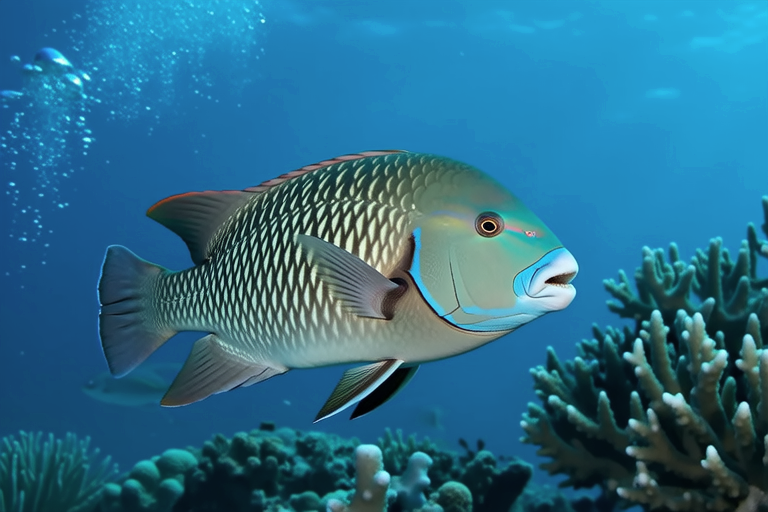
Parrotfish: The Colorful Guardians of Coral Reefs
Introduction: Parrotfish are among the most fascinating creatures that inhabit coral reefs. These vibrant fish play a crucial role in maintaining the health of reef ecosystems. Their unique adaptations and behaviors make them stand out in the underwater world. This article explores the life of parrotfish, from their natural habitat to their existence in aquariums, providing insights into their biology, feeding habits, and conservation status.
The Natural Habitat of Parrotfish
Parrotfish are primarily found in tropical and subtropical waters, thriving in the diverse environments of coral reefs. They are commonly seen in the Indo-Pacific region, the Caribbean, and the Red Sea. Coral reefs offer an ideal habitat for parrotfish, providing shelter, food, and breeding grounds. These ecosystems are rich in nutrients and biodiversity, supporting a wide range of marine life, including parrotfish.
Unique Adaptations and Behaviors
One of the most striking features of parrotfish is their beak-like mouth, which they use to scrape algae off coral surfaces. This adaptation allows them to feed efficiently while also contributing to the maintenance of reef health. Parrotfish have a specialized digestive system that can process the coral skeleton, turning it into sand. This process is vital for the formation of beaches and the overall health of coral reefs.
Another remarkable behavior of parrotfish is their ability to change color throughout their lifetime. Juvenile parrotfish often exhibit drab colors to avoid predators, but as they mature, they develop vibrant hues. Some species even undergo significant color changes during mating seasons or when threatened. These color shifts are controlled by hormones and can be used for communication, camouflage, and attracting mates.
Feeding Habits and Role in Reef Ecosystems
Parrotfish are herbivores, primarily feeding on algae that grow on coral surfaces. Their diet helps control algal growth, preventing it from overwhelming corals and smothering them. By keeping algae in check, parrotfish contribute to the overall health and balance of coral reefs. They also help maintain the structural integrity of reefs by grazing on coral polyps, which can otherwise overgrow and damage the reef’s framework.
In addition to their direct impact on coral health, parrotfish play a critical role in nutrient cycling within reef ecosystems. As they consume algae and coral, they produce waste that enriches the water with nutrients, supporting the growth of other marine organisms. This nutrient recycling process is essential for the productivity and resilience of coral reefs.
Care in Captivity
Keeping parrotfish in aquariums requires careful consideration of their specific needs. A well-maintained tank can provide a suitable environment for these fish, allowing enthusiasts to observe their unique behaviors and vibrant colors. However, it is important to note that not all species of parrotfish are suitable for home aquariums due to their size and dietary requirements.
To ensure the well-being of parrotfish in captivity, it is crucial to provide a tank that mimics their natural habitat. This includes offering plenty of hiding spots, ample swimming space, and a varied diet that includes algae and other plant matter. Regular water changes and proper filtration are also essential to maintain water quality and prevent disease.
Scientific Insights and Conservation Status
Recent studies have shed light on the complex biology of parrotfish, revealing new insights into their reproductive strategies and population dynamics. For instance, some species of parrotfish exhibit simultaneous hermaphroditism, where individuals can function as both males and females during different stages of their lives. This flexibility in reproduction may contribute to their resilience in the face of environmental changes.
Despite their importance to reef ecosystems, many species of parrotfish face threats from overfishing, habitat destruction, and climate change. Rising ocean temperatures and increased acidity levels can negatively affect coral reefs, reducing the availability of food and shelter for parrotfish. Additionally, overfishing has depleted populations in some areas, leading to concerns about their long-term survival.
The International Union for Conservation of Nature (IUCN) has listed several species of parrotfish as vulnerable or endangered, highlighting the urgent need for conservation efforts. Protecting coral reefs and implementing sustainable fishing practices are key steps in ensuring the future of these remarkable fish.
Interesting Facts and Myths
One of the most intriguing aspects of parrotfish is their ability to produce large amounts of sand through digestion. In fact, a single parrotfish can produce up to 90 kilograms of sand per year! This sand contributes to the formation of beaches and plays a crucial role in coastal erosion control.
There are also several myths surrounding parrotfish. One common misconception is that they eat coral, leading to fears that they might harm reefs. However, parrotfish primarily feed on algae that grow on coral surfaces, and their grazing actually benefits coral health by preventing algal overgrowth. Another myth is that parrotfish can change sex at will. While some species can indeed switch sexes, this process is hormonally controlled and occurs under specific conditions rather than at will.
Conclusion
Parrotfish are truly remarkable creatures that play a vital role in maintaining the health and balance of coral reef ecosystems. Their unique adaptations, vibrant colors, and fascinating behaviors make them a favorite among marine enthusiasts and general readers alike. By understanding their biology, feeding habits, and conservation needs, we can better appreciate the importance of protecting these colorful guardians of the reef. Whether observed in their natural habitat or in carefully maintained aquariums, parrotfish continue to captivate and inspire wonder.
