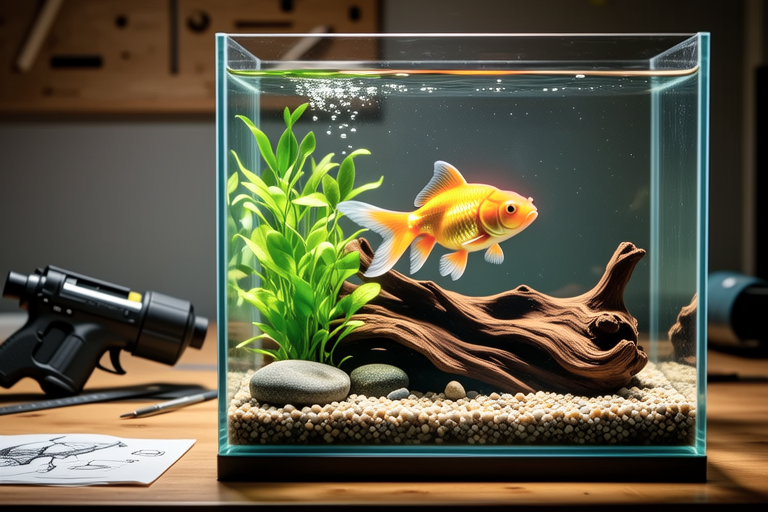
DIY Projects: Building the Perfect Habitat for Your Goldfish
Welcome to your guide on creating the perfect habitat for your goldfish! Whether you’re a first-time fishkeeper or an experienced aquarist, this comprehensive article will help you set up a thriving environment for your aquatic friends. We’ll cover everything from selecting the right tank size and essential equipment to maintaining water quality and providing a balanced diet. Let’s dive in!
Selecting Appropriate Tank Size
The first step in building the perfect habitat for your goldfish is choosing the right tank size. Goldfish are active swimmers and need plenty of space to move around comfortably. A general rule of thumb is to provide at least 20 gallons of water per goldfish. However, larger tanks are always better as they allow more swimming room and make it easier to maintain stable water conditions.
When choosing a tank, consider its shape and dimensions. Tall, narrow tanks can create water circulation issues, so opt for a longer, wider tank if possible. Additionally, ensure that the tank has a sturdy stand capable of supporting its weight when filled with water.
Essential Equipment: Filtration, Heating, and Lighting
To keep your goldfish healthy and happy, you’ll need several pieces of equipment:
- Filtration: A good filter is crucial for removing waste, excess food, and harmful chemicals from the water. Choose a filter that provides both mechanical and biological filtration. Mechanical filtration removes debris, while biological filtration helps break down harmful substances into less toxic forms.
- Heating: Goldfish are cold-water fish and typically don’t require a heater unless you live in a very cold climate. If you decide to use a heater, make sure it’s thermostatically controlled to prevent overheating.
- Lighting: While goldfish don’t require specific lighting cycles, proper lighting enhances the viewing experience and promotes plant growth if you plan to include live plants. Choose a light fixture that provides full-spectrum lighting and includes a timer for consistent daily cycles.
Substrate and Decoration Choices
The substrate and decorations in your goldfish tank play a significant role in creating an aesthetically pleasing and functional environment.
- Substrate: Gravel or sand are popular choices for goldfish tanks. Avoid sharp-edged substrates that could harm your fish. Gravel is easier to clean but can trap uneaten food and waste, so regular vacuuming is necessary. Sand is smoother and doesn’t trap debris as easily but requires more frequent siphoning.
- Decorations: Decorative elements such as rocks, driftwood, and artificial plants add visual interest and provide hiding spots for your goldfish. Ensure all decorations are non-toxic and safe for fish. Real plants can also be used, but they may require additional fertilization and maintenance.
Water Quality Maintenance
Maintaining excellent water quality is vital for the health of your goldfish. Here’s how to achieve it:
- Water Changes: Regular partial water changes are essential to remove accumulated toxins and replenish beneficial minerals. Aim for a 10-20% water change every week.
- Water Parameters: Monitor the following parameters regularly: pH (6.5-7.5), ammonia (0 ppm), nitrite (0 ppm), and nitrate (<50 ppm). Use test kits available at pet stores to check these levels.
- Cleaning: Clean the filter media, gravel, and tank walls as needed. Avoid using soap or harsh chemicals, which can be harmful to your fish.
Dietary Needs
A balanced diet is crucial for keeping your goldfish healthy and vibrant. Goldfish are omnivores and thrive on a varied diet:
- Commercial Foods: High-quality flake, pellet, or sinking pellet foods formulated for goldfish are excellent staples. Look for products that list whole fish or fish meal as the primary ingredient.
- Variety: Supplement their diet with occasional treats like freeze-dried bloodworms, brine shrimp, and algae wafers. Vegetables such as blanched peas and zucchini can also be offered.
- Feeding Schedule: Feed your goldfish twice daily, giving them only what they can consume within two minutes. Overfeeding leads to poor water quality and health issues.
Step-by-Step Setup Instructions
Now that you’ve gathered all the necessary components, let’s walk through setting up your goldfish tank:
- Prepare the Tank: Rinse the tank, decorations, and substrate under cool water to remove dust and debris. Do not use soap or chemical cleaners.
- Add Substrate: Spread a layer of substrate evenly across the bottom of the tank, ensuring it covers any sharp edges.
- Place Decorations: Arrange rocks, plants, and other decorations to create hiding spots and swimming areas.
- Install Equipment: Set up the filter, heater (if applicable), and lighting. Follow the manufacturer’s instructions carefully.
- Fill with Water: Fill the tank with dechlorinated water, leaving some space for the water level to rise after adding decorations.
- Introduce Fish: After the tank has been running for at least 24 hours, gently acclimate your goldfish by floating the bag in the tank for 15-20 minutes. Then, slowly release them into their new home.
Tips for Ongoing Care
Once your goldfish are settled, here are some tips for maintaining their habitat:
- Regular Observations: Spend time each day observing your fish for signs of illness or stress. Early detection can prevent serious health issues.
- Water Testing: Test the water weekly to monitor parameter levels and address any imbalances promptly.
- Feeding Consistency: Stick to a consistent feeding schedule and avoid overfeeding. Adjust portion sizes based on the number of fish and their activity levels.
Building the perfect habitat for your goldfish involves careful planning and attention to detail. By following these guidelines, you’ll create a beautiful and healthy environment where your goldfish can thrive. Happy fishkeeping!
