Adventures of a Three-Striped Box Turtle: Habitat, Care, and Fun Facts
Welcome to the world of the three-striped box turtle (Terrapene triunguis), a captivating reptile that has long fascinated turtle enthusiasts and nature lovers alike. This article delves into the unique characteristics of this turtle, exploring its natural habitat, essential care guidelines, and some intriguing fun facts that will deepen your appreciation for these remarkable creatures.
Unique Characteristics of the Three-Striped Box Turtle
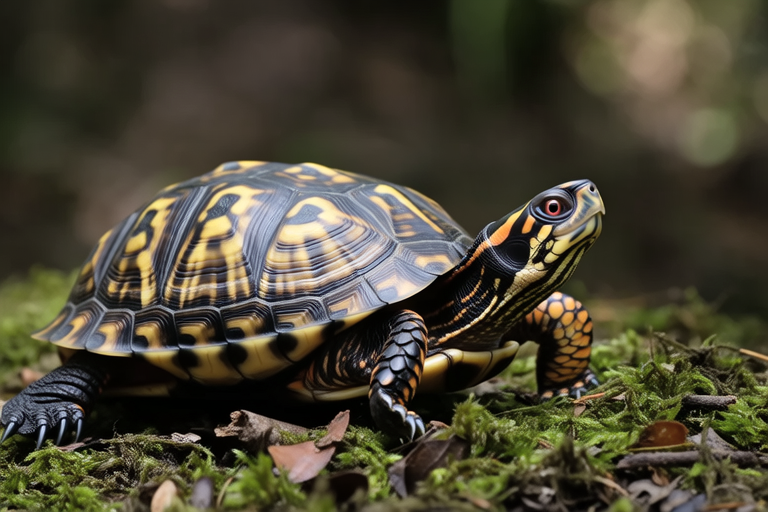
The three-striped box turtle is easily identifiable by the three yellow stripes on each side of its head, which give it its name. These stripes contrast beautifully against its dark, often brown or black, shell. The shell itself is domed, providing excellent protection from predators, and can grow up to six inches in length. Additionally, these turtles have strong, clawed feet that help them dig and climb, making them adept at navigating their natural environment.
Natural Habitat
The three-striped box turtle is native to the central United States, ranging from Missouri and Illinois southward to Louisiana and eastward to Alabama and Mississippi. They prefer open woodlands, grasslands, and wet meadows, where they can find ample cover and food sources. Their ideal climate is temperate, with warm summers and cool winters, allowing them to hibernate during colder months.
These turtles are highly adaptable, but they require specific conditions to thrive. They need access to both sunlit areas and shaded spots, as well as a source of fresh water for drinking and soaking. In the wild, they can often be found near streams, ponds, or other bodies of water, where they can also bask in the sun to regulate their body temperature.
Essential Care Guidelines
Diet
Proper nutrition is crucial for the health and longevity of your three-striped box turtle. In the wild, they are omnivores, feeding on a variety of plants, insects, and small animals. As pets, their diet should mimic this diversity. Offer a mix of leafy greens like romaine lettuce, dandelion greens, and collard greens, along with a selection of fruits such as berries and melons. Protein sources can include earthworms, crickets, and mealworms. It’s important to provide a balanced diet and avoid overfeeding, as obesity can lead to health issues.
Housing
Creating a suitable living space for your three-striped box turtle is key to their well-being. An outdoor enclosure is ideal, provided it meets certain criteria. The enclosure should be secure, with walls high enough to prevent escape and covered to protect against predators. It should include a mix of sunny and shady areas, as well as a shallow water dish for soaking. Indoor housing can be set up using a large aquarium or custom-built enclosure, with similar attention to lighting, temperature, and humidity levels.
Temperature control is critical. A basking area should reach around 85-90 degrees Fahrenheit, while the cooler end of the enclosure should stay between 75-80 degrees. Use a heat lamp or under-tank heater to maintain these temperatures, and ensure there is a UVB light source to promote calcium absorption and overall health.
Health Considerations
Regular veterinary check-ups are essential for maintaining the health of your turtle. Common issues include respiratory infections, shell rot, and metabolic bone disease, all of which can be prevented or treated with proper care. Signs of illness may include lethargy, loss of appetite, or unusual behavior. If you notice any of these symptoms, seek veterinary advice promptly.
Veterinary care should also include routine examinations and vaccinations, as recommended by your veterinarian. Additionally, regular cleaning of the enclosure is vital to prevent the buildup of harmful bacteria and fungi.
Handling Tips
While three-striped box turtles can be charming companions, they should be handled carefully. Their shells are fragile and can be damaged by rough handling. Always support their entire body when picking them up, and avoid grabbing them by the legs or tail. Frequent handling can also stress the turtle, so it’s best to limit interactions to necessary tasks like feeding and cleaning.
Intriguing Fun Facts
The three-striped box turtle has many fascinating traits that make it a unique and captivating species. Did you know that they can live up to 40 years in captivity? Their longevity makes them a rewarding lifelong companion. Another interesting fact is that these turtles are capable of retracting their head, legs, and tail completely inside their shell, providing them with excellent protection from predators.
Three-striped box turtles are also known for their ability to navigate long distances. In the wild, they have been observed traveling several miles in search of food or suitable hibernation sites. This ability underscores their adaptability and resilience in the face of environmental challenges.
Lastly, these turtles play an important role in their ecosystem. By consuming various plant and animal matter, they help control insect populations and disperse seeds, contributing to the health and diversity of their habitats.
Conclusion
The three-striped box turtle is a remarkable species, offering both beauty and intrigue to those fortunate enough to encounter them. Whether in the wild or as a beloved pet, these turtles captivate us with their unique characteristics and behaviors. By understanding their needs and providing appropriate care, we can ensure their well-being and continue to appreciate their role in our world. So, whether you’re a seasoned herpetologist or a novice turtle owner, take time to learn more about these fascinating creatures and join in the adventures of the three-striped box turtle.
