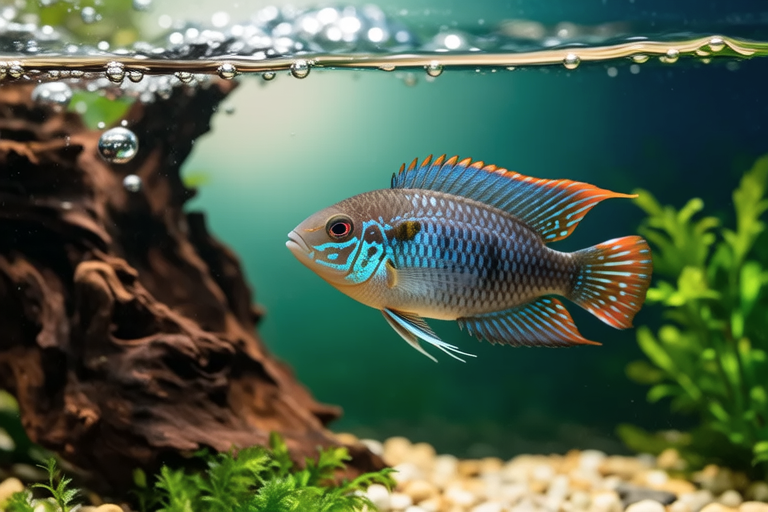
How to Create the Perfect Habitat for Your Rajah Cichlid at Home
Introduction to Rajah Cichlids and Their Specific Habitat Needs:
Rajah Cichlids, also known as Aequidens rivulatus, are native to the Amazon River Basin in South America. These vibrant, medium-sized cichlids are popular among aquarium enthusiasts due to their striking appearance and engaging behaviors. To thrive, Rajah Cichlids require a habitat that closely mimics their natural environment. Understanding their specific needs is crucial for ensuring the health and happiness of these fish.
Detailed Water Parameters Suitable for Rajah Cichlids:
- Temperature: Rajah Cichlids prefer water temperatures between 75°F and 82°F (24°C to 28°C). Maintaining this temperature range is essential for their overall well-being.
- pH Level: A pH level of 6.0 to 7.0 is ideal, reflecting the slightly acidic conditions of their natural habitat.
- Water Hardness: They thrive in soft to moderately hard water with a general hardness (GH) of 5 to 12 dGH. This range ensures optimal physiological functions.
Essential Tank Size and Shape Recommendations for Optimal Swimming Space:
To provide ample swimming space, a minimum tank size of 55 gallons (208 liters) is recommended for a single adult Rajah Cichlid. For a pair or small group, a larger tank of at least 75 gallons (284 liters) is advisable. The tank should be rectangular, offering more horizontal swimming space than height, which better accommodates their active nature.
Guidelines on Choosing Appropriate Filtration Systems for Maintaining Water Quality:
Selecting an efficient filtration system is vital for maintaining clean and healthy water. Canister filters or large internal power filters are recommended due to their ability to handle larger volumes of water effectively. Additionally, incorporating biological, mechanical, and chemical filtration methods ensures the removal of harmful substances and maintains beneficial bacteria colonies.
Suggestions for Decorations, Plants, and Hiding Spots That Mimic Their Natural Environment:
Incorporate driftwood, rocks, and caves to replicate the complex environments found in the Amazon. Live plants such as Java Fern, Amazon Sword, and Anubias can enhance the aesthetic appeal while providing additional hiding spots. Ensure that decorations are securely placed to prevent injuries from sharp edges or collapsing structures.
Feeding Habits and Dietary Requirements of Rajah Cichlids:
Rajah Cichlids are omnivorous, feeding on a variety of foods in the wild. In captivity, they can be fed a balanced diet consisting of high-quality pellets, flakes, frozen or live foods like brine shrimp, bloodworms, and daphnia. It’s important to avoid overfeeding; offer only what they can consume within a few minutes during each feeding session.
Tips for Maintaining Water Cleanliness and Performing Regular Maintenance:
Regular water changes of about 20% weekly help maintain water quality. Use a gravel vacuum to clean the substrate and remove debris. Monitor water parameters regularly using test kits, and adjust as necessary to keep them within the desired ranges. Cleaning the filter media and replacing it periodically ensures its effectiveness.
Advice on Introducing New Rajah Cichlids to the Tank and Managing Their Territorial Behavior:
Introduce new Rajah Cichlids gradually to minimize stress. Provide plenty of hiding spots to reduce aggression during the acclimation period. Avoid overcrowding the tank, as this can exacerbate territorial disputes. Consider adding tankmates that are similar in size and temperament, such as other robust cichlids or robust tetras.
Conclusion Summarizing Key Points for Creating a Thriving Habitat:
Creating the perfect habitat for your Rajah Cichlids involves understanding their specific needs and replicating their natural environment as closely as possible. By maintaining optimal water parameters, providing ample swimming space, selecting appropriate filtration systems, and enriching the tank with suitable decorations and plants, you can ensure the health and happiness of these captivating fish. Regular maintenance and careful management of their dietary needs and territorial behaviors will contribute to a thriving and harmonious aquatic environment.
