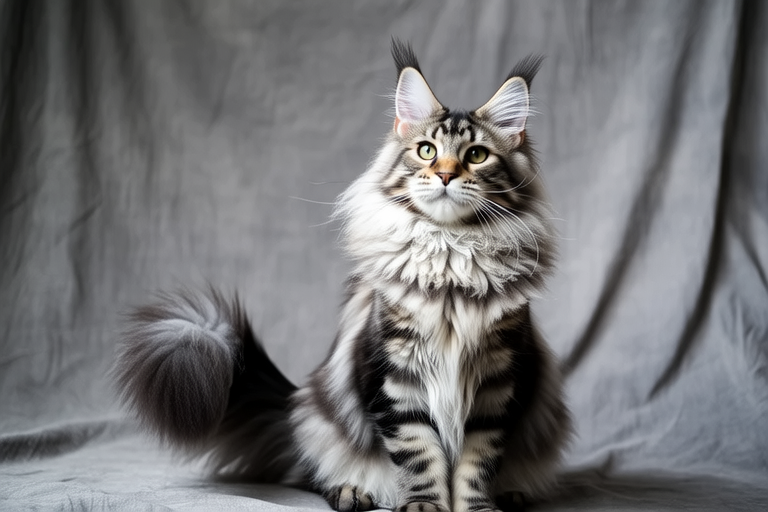
Unraveling the Mystery Behind the Maine Coon’s Fluffy Tail
The Maine Coon, often referred to as the “gentle giant” of the feline world, is a breed that has captured the hearts of many cat lovers. Known for its large size, tufted ears, and, most notably, its exceptionally fluffy tail, the Maine Coon has a rich history and unique characteristics that set it apart from other cat breeds. This article delves into the origins of the Maine Coon, the development of its iconic tail, and the practical uses and genetic underpinnings of this magnificent feature.
A Historical Background of the Maine Coon
The Maine Coon’s history is as intriguing as its appearance. Originating in the northeastern United States, particularly in the state of Maine, this breed is believed to have descended from domestic cats brought by European settlers and long-haired cats that accompanied Vikings. Over centuries, these felines adapted to the harsh New England climate, developing traits that allowed them to thrive in cold, snowy environments.
The first documented mention of the Maine Coon dates back to the 1860s, where they were featured in cat shows and competitions. Their popularity soared during the late 19th century, but like many purebred cats, they faced a decline in the early 20th century due to the rise of Persian and Siamese cats. However, dedicated breeders worked tirelessly to preserve and promote the Maine Coon, leading to its recognition by The Cat Fanciers’ Association (CFA) in 1976.
The Development of the Maine Coon’s Tail
The Maine Coon’s tail is one of its most distinctive features, characterized by its length, thickness, and luxurious fur. The development of this tail can be attributed to the breed’s evolution in response to the cold, rugged environment of Maine. Cats naturally use their tails for balance, communication, and warmth, but the Maine Coon’s tail is uniquely suited to these functions.
Over generations, the Maine Coon’s ancestors evolved to have longer, thicker tails, which provided additional insulation against the biting winds and snow of northern winters. These tails also served as effective tools for swatting away snow and debris while hunting or simply moving about in the wild. The tail’s fluffiness not only adds to the breed’s majestic appearance but also plays a crucial role in maintaining body heat and protecting the cat from environmental hazards.
Practical Purposes of the Fluffy Tail
The Maine Coon’s tail serves multiple practical purposes beyond its aesthetic appeal. Firstly, it acts as an insulator, trapping warm air close to the cat’s body and providing a barrier against cold temperatures. This is especially important for outdoor cats, who must endure harsh weather conditions. Secondly, the tail provides balance, enabling the Maine Coon to navigate uneven surfaces and leap with precision. The dense fur on the tail also helps to keep the cat dry when swimming, a trait that is less common among other cat breeds.
Moreover, the Maine Coon’s tail is an excellent communication tool. Cats use their tails to express emotions and intentions, and the Maine Coon’s tail is no exception. A relaxed and gently swaying tail indicates contentment, while a flicking or puffed-up tail might signal irritation or fear. Understanding your Maine Coon’s tail language can help you better interpret its moods and needs.
Genetic Factors Contributing to Luxurious Fur
The luxurious fur of the Maine Coon is the result of specific genetic factors that contribute to its density, texture, and length. The breed carries genes responsible for producing a thick undercoat and guard hairs, which together create a water-resistant and insulating coat. The gene for long hair is dominant, meaning that even heterozygous Maine Coons tend to have longer fur than average.
Additionally, the Maine Coon possesses a gene for tabby patterns, which can manifest in various colors and markings. This gene contributes to the overall appearance of the breed, making each Maine Coon’s coat unique. The combination of genetic factors results in a coat that is not only beautiful but also functional, providing protection against the elements and enhancing the breed’s survival in challenging environments.
Comparisons with Other Cat Breeds
While all cats have tails, the Maine Coon’s tail stands out for its exceptional length and volume. To fully appreciate the uniqueness of the Maine Coon’s tail, it is helpful to compare it with those of other popular cat breeds.
The Siberian, another long-haired breed, shares some similarities with the Maine Coon in terms of coat thickness and tail length. However, the Siberian tends to have a more rounded and compact body shape, whereas the Maine Coon is known for its rectangular build and long legs. The Norwegian Forest Cat, another breed adapted to cold climates, also has a thick, fluffy tail, but its coat is generally shorter and denser.
In contrast, short-haired breeds like the Siamese or Abyssinian have much shorter tails, which are sleek and less voluminous. These breeds lack the insulating properties and balance-enhancing capabilities of the Maine Coon’s tail, reflecting their different evolutionary histories and environments.
Tips for Owners on Maintaining Tail Health
Owning a Maine Coon comes with the responsibility of ensuring the health and well-being of its luxurious tail. Here are some tips for maintaining the health of your Maine Coon’s tail:
- Regular Grooming: Brush your Maine Coon’s tail regularly to prevent matting and tangling. Use a wide-tooth comb or a slicker brush to remove loose fur and distribute natural oils throughout the coat.
- Bathing: While Maine Coons are generally self-grooming, occasional baths may be necessary to clean the tail thoroughly, especially if the cat spends time outdoors.
- Checking for Injuries: Regularly examine your cat’s tail for any signs of injury, swelling, or discoloration. Prompt veterinary attention can prevent minor issues from becoming serious problems.
- Nutrition: Feed your Maine Coon a balanced diet rich in essential nutrients to support healthy skin and coat growth. Omega-3 fatty acids, found in fish oil supplements, can enhance the condition of the fur.
- Exercise: Encourage your cat to engage in physical activities that involve using its tail for balance and coordination, such as climbing and playing with interactive toys.
By following these guidelines, you can ensure that your Maine Coon’s tail remains healthy, vibrant, and ready to serve its practical purposes.
Conclusion
The Maine Coon’s fluffy tail is more than just an attractive feature; it is a testament to the breed’s resilience and adaptability. From its historical roots in the rugged landscapes of Maine to its modern-day status as a beloved companion animal, the Maine Coon has earned its reputation as a gentle giant. Understanding the practical purposes and genetic factors behind the Maine Coon’s tail can deepen our appreciation for this remarkable breed and enhance our ability to care for it.
As a Maine Coon owner, you have the privilege of sharing your life with a truly special cat. By providing proper care and attention to your Maine Coon’s tail, you can ensure that it continues to thrive and bring joy to your home for years to come.
