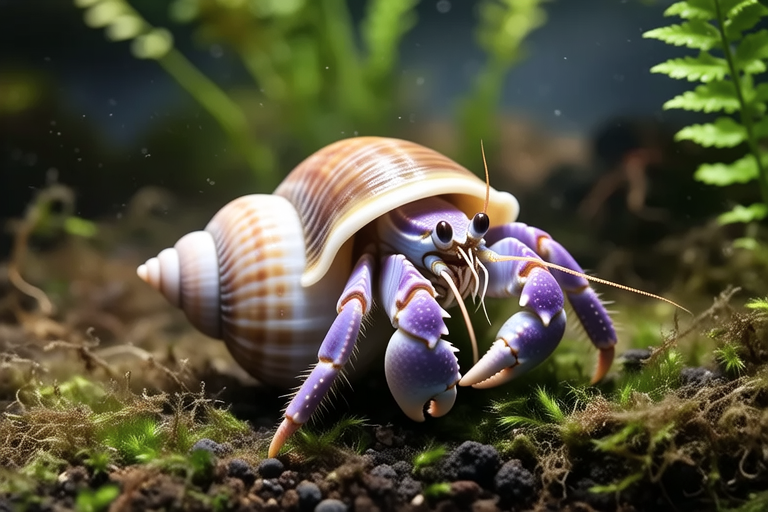
The Claws and All: My Journey Raising a Happy Hermit Crab Family
Welcome to my world of tiny, clawed companions! If you’re reading this, you might be considering joining the ranks of hermit crab enthusiasts or are already deep into your hermit crab journey. Either way, I hope this article will provide you with valuable insights, tips, and a bit of my personal experience to help you create a thriving home for these fascinating creatures.
Understanding Your New Family Members
Hermit crabs are not just any pets; they are unique in their behaviors and needs. They are social creatures that require companionship, and while they may look like solitary animals, they actually thrive when housed in groups. Their lifespan can range from several years to decades, depending on proper care and environment. One of the most interesting aspects of hermit crabs is their ever-changing shells. As they grow, they need to find larger shells to accommodate their expanding bodies. This behavior can lead to some exciting moments as you watch them search for new homes within their enclosure.
Habitat Setup: Creating a Home Sweet Shell
Setting up the right habitat is crucial for the well-being of your hermit crab family. A basic tank should be at least ten gallons for every three to four crabs, but it’s always better to go bigger if space allows. The substrate is one of the most important elements of the tank. Many people opt for coconut fiber or crushed coral, which provides a natural environment and allows the crabs to dig and burrow. It’s essential to keep the substrate moist but not wet, as hermit crabs need humidity to breathe through their gills.
In addition to substrate, your hermit crab’s home should include a variety of shells for them to explore and eventually adopt as their new homes. Providing shells of different sizes, shapes, and textures will ensure that each crab finds its perfect fit. Rocks, driftwood, and other climbing structures are also beneficial, offering hiding spots and exercise opportunities.
Temperature and humidity control are equally important. Hermit crabs prefer temperatures between 75°F and 85°F (24°C to 29°C) and humidity levels around 70-80%. You can achieve this by using a hygrometer to monitor humidity and a heat lamp or under-tank heater to maintain temperature. A shallow water dish filled with dechlorinated water and a saltwater dish are must-haves for drinking and shell cleaning.
Common Myths About Hermit Crabs
There are several misconceptions surrounding hermit crabs that can lead to improper care. One of the most prevalent myths is that hermit crabs can survive solely on store-bought hermit crab food. While commercial foods can be part of their diet, hermit crabs require a more varied menu that includes fruits, vegetables, and proteins. Another myth is that hermit crabs are low-maintenance pets. While they don’t require daily walks or constant attention, they do need regular maintenance of their tank, including substrate changes and shell rotations.
It’s also often thought that hermit crabs don’t need companionship. In reality, hermit crabs are social animals and enjoy interacting with their own kind. Keeping them in groups can significantly enhance their quality of life.
Tips for Ensuring Their Happiness and Health
To keep your hermit crabs happy and healthy, it’s vital to pay attention to their diet and environment. Provide a balanced diet consisting of fresh fruits, vegetables, and proteins. Avoid feeding them anything processed or high in sugar. A mix of chopped apples, bananas, carrots, and leafy greens works wonders. Hermit crabs also enjoy protein sources such as fish flakes, mealworms, and boiled eggs.
Regular tank maintenance is key to preventing illness and stress. Change the substrate every few months to prevent mold and bacteria growth. Keep an eye on the water dishes, ensuring they are clean and filled with fresh, dechlorinated water. Regularly inspect the shells for signs of wear or infestation and replace them as needed.
One of the best ways to ensure your hermit crabs’ happiness is to observe and interact with them. Spend time watching their interactions, noting their preferences, and providing enrichment activities. This could be as simple as rearranging their habitat or introducing new toys and hiding spots.
The Joys and Challenges of Hermit Crab Ownership
Hermit crabs bring many joys to their owners. Watching them scuttle about, exploring their environment, and seeing them interact with each other can be incredibly rewarding. There’s something special about these little creatures that captivates the hearts of their caretakers. However, there are also challenges that come with hermit crab ownership. Maintaining the right environment can be tricky, especially for beginners. It takes time and effort to get the temperature, humidity, and substrate just right. Additionally, hermit crabs have specific dietary needs that require careful attention.
One of the most challenging aspects of hermit crab ownership is understanding their molting process. During molting, hermit crabs become very vulnerable and require privacy. They bury themselves in the substrate and remain hidden for several weeks. It’s crucial to avoid disturbing them during this time and to ensure their tank remains stable and undisturbed.
Personal Anecdotes: Stories from My Hermit Crab Family
My journey with hermit crabs began a few years ago when I decided to expand my small pet collection. I started with two crabs, and as I learned more about their needs and behaviors, I gradually added more. One of the most memorable moments was when one of my crabs molted for the first time. I had been warned about the risks but was still surprised by how dramatic the process was. I kept a close eye on him, making sure he had everything he needed, and was overjoyed when he emerged from his shell, looking healthier and more vibrant than ever.
Another highlight was witnessing the social dynamics within my tank. One particular crab, whom I affectionately named “Claw,” became the unofficial leader of the group. He would often be the first to explore new areas and seemed to enjoy showing the others around. His confidence and curiosity were infectious, and watching him interact with his siblings was truly heartwarming.
However, there were also moments of frustration. Once, I noticed one of the crabs was acting lethargic and wasn’t eating as much as usual. After consulting with experts and doing some research, I realized the substrate was too dry. I adjusted the moisture level, and within a few days, the crab perked up. This experience taught me the importance of paying close attention to even the smallest details in their care.
Conclusion
Raising a happy hermit crab family is a rewarding endeavor that requires dedication and knowledge. By understanding their unique needs, setting up the right habitat, and providing proper care, you can ensure that your hermit crabs live long, healthy, and joyful lives. Whether you’re a seasoned pet owner or just starting out, the joys of hermit crab ownership are undeniable. So, roll up your sleeves, dive into the world of hermit crabs, and get ready for a lifetime of tiny, clawed adventures.
