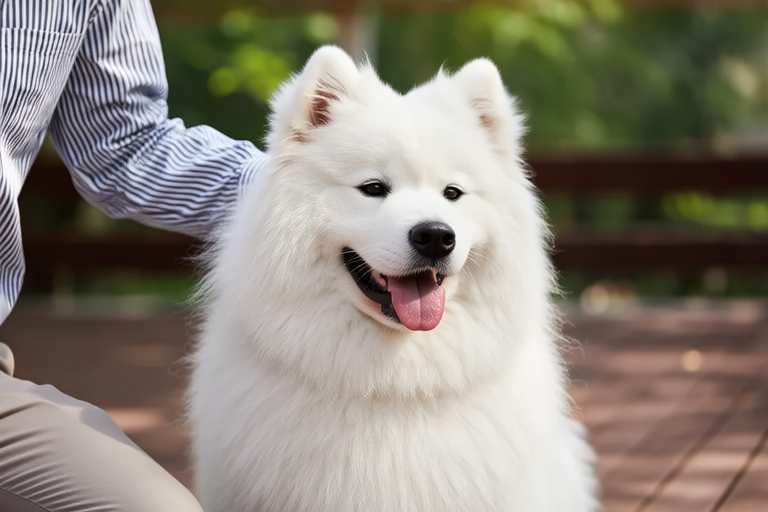
Samoyed Training Hacks Every Pet Parent Should Try
Welcome to the world of Samoyed training! These fluffy, intelligent dogs are known for their friendly and energetic nature. Training a Samoyed can be both rewarding and challenging due to their high intelligence and playful spirit. This guide aims to provide you with practical, easy-to-implement training tips that will help you create a well-behaved, happy Samoyed. From positive reinforcement techniques to creative ways to keep training sessions fun and engaging, we’ve got you covered.
Understanding Your Samoyed’s Personality
Before diving into specific training methods, it’s important to understand your Samoyed’s unique personality traits. Samoyeds are highly intelligent and energetic dogs, which means they require mental stimulation and physical exercise to stay happy and healthy. They are also very social creatures, often forming strong bonds with their families. This social nature makes them great companions but can also lead to challenges in training if they become too distracted by their environment or other people and animals.
One key aspect of Samoyed training is understanding their intelligence. Samoyeds are quick learners and can pick up new commands relatively quickly, but this also means they can get bored easily if training sessions are not engaging enough. It’s crucial to keep training sessions short and varied to maintain their interest and prevent them from becoming disengaged.
Positive Reinforcement Techniques
Positive reinforcement is one of the most effective training methods for Samoyeds. This technique involves rewarding your dog for good behavior, which encourages them to repeat the desired action. Rewards can include treats, praise, or playtime, depending on what motivates your Samoyed the most. For example, if your Samoyed sits on command, immediately reward them with a treat and enthusiastic praise like “Good boy!” or “Well done!”
It’s important to use rewards consistently and promptly after your Samoyed performs the desired behavior. This helps them associate the action with the reward and increases the likelihood of repeating it in the future. Positive reinforcement also fosters a positive relationship between you and your dog, making training a fun and enjoyable experience for both of you.
The Importance of Consistency
Consistency is key when it comes to training your Samoyed. Dogs thrive on routine and predictability, so it’s essential to establish clear rules and expectations from the beginning. This means using the same commands for each behavior and reinforcing them consistently across different situations. For instance, if you teach your Samoyed to sit using the command “sit,” make sure to use the same word every time and in various environments, whether at home or during walks.
Consistency also extends to the rewards system. If you decide to use treats as a reward, ensure that you offer them every time your Samoyed follows a command correctly. Inconsistent rewards can confuse your dog and slow down the learning process. Additionally, be patient and persistent. Training takes time, and setbacks are normal. Stay calm and continue practicing until your Samoyed masters the skill.
Keeping Training Sessions Fun and Engaging
Samoyeds are naturally playful and enjoy interactive activities, so incorporating games into your training sessions can make the process more enjoyable for both you and your dog. One popular game is hide-and-seek, where you hide treats around the house and encourage your Samoyed to find them. This not only provides mental stimulation but also reinforces obedience as your Samoyed learns to follow commands like “come” and “stay” while searching for treats.
Another fun activity is agility training, which involves setting up obstacles such as tunnels, jumps, and weave poles in your backyard. Agility training helps burn off excess energy while teaching your Samoyed coordination and discipline. It’s important to keep training sessions short and focused, especially for young puppies or dogs with shorter attention spans. Aim for 10-15 minute sessions several times a day rather than long, drawn-out training sessions that may lead to frustration.
Real-Life Examples and Case Studies
To illustrate the effectiveness of these training techniques, let’s consider a few real-life examples. Sarah, a first-time pet parent, adopted a 6-month-old Samoyed named Buddy. Buddy was full of energy and often became distracted during training sessions. By incorporating short, interactive games and using positive reinforcement, Sarah was able to capture Buddy’s attention and teach him basic commands within a few weeks. Now, Buddy responds reliably to commands like “sit,” “stay,” and “come,” and enjoys playing fetch as a reward for good behavior.
Another example is John, who has been training his adult Samoyed, Max, for over a year. Max had difficulty focusing during training sessions due to his high energy levels. John found success by breaking training into short, frequent sessions and using agility training as a way to channel Max’s energy. As a result, Max has improved his focus and obedience, and John enjoys spending quality time with Max through these activities.
Common Challenges and How to Overcome Them
Training a Samoyed can come with its share of challenges, but with the right approach, these hurdles can be overcome. One common issue is excessive barking, which can be frustrating for both owners and neighbors. To address this, start by identifying the triggers that cause your Samoyed to bark excessively. Common triggers include visitors, other animals, or separation anxiety. Once you’ve identified the triggers, you can work on desensitizing your dog to these stimuli through controlled exposure and positive reinforcement.
Another challenge is housebreaking. Samoyeds are generally clean dogs, but accidents can still happen, especially during the potty training phase. Establish a consistent schedule for taking your Samoyed outside and praising them when they go in the designated area. Use verbal cues like “go potty” to help your dog associate the action with the command. Be patient and consistent, and avoid punishing accidents, as this can lead to fear and anxiety.
Maintaining a Strong Bond Through Training
Ultimately, the goal of training your Samoyed is to strengthen your bond and create a well-behaved, happy companion. Training sessions provide an opportunity for you and your dog to spend quality time together, fostering trust and mutual respect. Remember that training is a continuous process, and even well-trained dogs benefit from regular practice. Make training a part of your daily routine, and always end sessions on a positive note with plenty of praise and affection.
Patience and love are essential components of successful training. Your Samoyed will respond best when they feel safe and loved, so take the time to build a strong emotional connection. Celebrate small victories along the way, and don’t be discouraged by occasional setbacks. With dedication and consistency, you’ll see significant progress in your Samoyed’s behavior and obedience.
