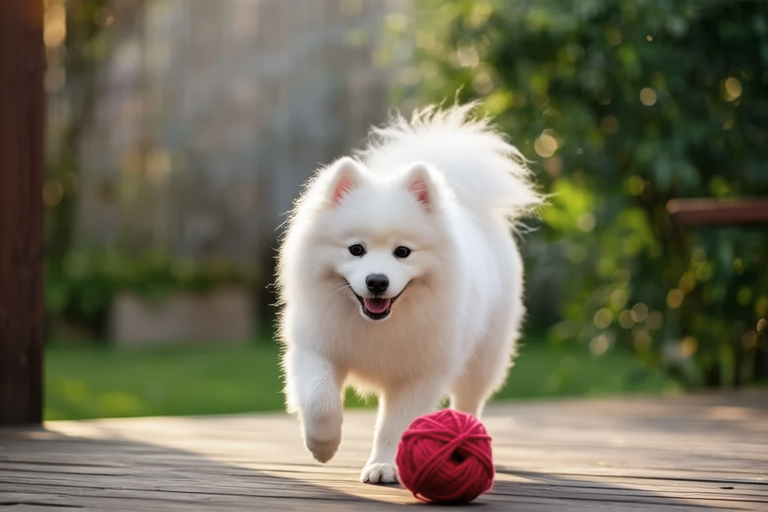
The Origins, History, and Traits of Samoyeds
The Samoyed is a breed of dog known for its striking appearance, friendly demeanor, and playful nature. These dogs have a rich history, dating back thousands of years, during which they were bred for specific purposes that have shaped their character and behavior. This article delves into the origins and history of Samoyeds, examines their physical traits, explores their behavioral patterns, and provides insights into their social interactions and psychological makeup.
Origins and History
The Samoyed breed originated with the nomadic Samoyede people of Siberia. These indigenous people relied heavily on their dogs for herding reindeer, pulling sleds, and providing warmth in harsh, frigid climates. The dogs were an integral part of their survival, and this close bond has resulted in a breed that is both loyal and affectionate. Over time, the Samoyeds were also used by explorers and travelers due to their strength and endurance. Their ability to work in extreme conditions made them invaluable companions.
The Samoyeds’ background as working dogs has significantly influenced their playful and loving nature. They were not only expected to perform physically demanding tasks but also to be emotionally supportive to their human companions. This dual role required them to be both hardworking and gentle, a trait that has been passed down through generations. As a result, modern-day Samoyeds are known for their friendly disposition and strong bonds with their families.
Physical Traits
Samoyeds possess several physical traits that contribute to their energetic demeanor. One of the most noticeable features is their thick, double coat, which provides insulation against cold temperatures. This dense fur requires regular grooming, but it also helps the dogs maintain their energy levels by keeping them warm during outdoor activities. Their muscular build and strong legs make them well-suited for running and playing, while their broad chests provide ample room for lung expansion, allowing them to breathe easily even during intense exercise.
Another notable physical characteristic is their distinctive smile, which gives them a perpetually happy expression. This feature is not just superficial; it plays a role in their social interactions. Dogs with open mouths tend to appear less threatening, which can help them form positive relationships with humans and other animals. Additionally, their large, expressive eyes convey emotions effectively, further enhancing their communication skills.
Behavioral Patterns
Samoyeds are often considered excellent family pets due to their affectionate and friendly disposition. They are generally good-natured and enjoy spending time with their owners, making them ideal companions for active households. However, their playful nature can sometimes lead to mischief if not properly managed. Early training and consistent reinforcement are essential to channel their energy into constructive activities.
Scientific insights into dog psychology suggest that Samoyeds’ affectionate and friendly disposition stems from their history as working dogs. Their strong bonds with humans were crucial for their survival, and this instinctive loyalty has been preserved in the breed. Furthermore, their playful nature is likely an evolutionary adaptation that helped them cope with the challenges of their environment. Engaging in play with their human companions provided mental stimulation and social bonding, which were vital for their well-being.
Social Behavior
Samoyeds exhibit a wide range of social behaviors, depending on the context and individuals involved. They tend to be very sociable with humans, especially those they know well. Their friendly demeanor makes them excellent companions for families with children. Many Samoyed owners report that their dogs are particularly gentle and patient with kids, often tolerating roughhousing and playfulness without becoming aggressive.
In addition to their positive interactions with humans, Samoyeds usually get along well with other pets, particularly if they are introduced at a young age. Their pack mentality means that they often see other animals as part of their family, leading to harmonious coexistence. However, some Samoyeds may display territorial behavior towards unfamiliar dogs, so early socialization is crucial to prevent conflicts.
When it comes to strangers, Samoyeds are typically welcoming but cautious. While they may approach new people with curiosity, they are unlikely to show aggression unless provoked. Their friendly nature can sometimes lead to over-friendliness, which might be perceived as intrusive by some individuals. Training your Samoyed to respect personal space is important for maintaining good manners around visitors.
Anecdotes from Samoyed Owners
Many Samoyed owners have shared heartwarming stories about their dogs’ loving and playful personalities. For instance, one owner recounted how her Samoyed would follow her everywhere, even when she was doing household chores. The dog would sit quietly beside her, offering companionship and occasionally nudging her hand for attention. Another owner mentioned that his Samoyed loved to play fetch in the backyard, often retrieving the ball multiple times without tiring.
These anecdotes highlight the unique bond between Samoyeds and their owners, showcasing their unwavering loyalty and affection. They also demonstrate the breed’s adaptability to different environments and situations, further emphasizing their suitability as family pets.
Tips for Potential Owners
If you’re considering adopting a Samoyed, there are several things you can do to ensure that you provide the best possible care for your new companion:
- Exercise: Samoyeds require plenty of physical activity to stay healthy and happy. Daily walks, runs, or play sessions in a secure area will help them burn off excess energy and maintain their muscle tone.
- Grooming: Their thick coats need regular brushing to prevent matting and keep their skin healthy. Aim to brush them at least once a week, more frequently during shedding seasons.
- Training: Positive reinforcement techniques work well with Samoyeds. Rewarding good behavior with treats and praise encourages them to repeat desired actions. Consistency is key, so establish clear rules and expectations from the beginning.
- Socialization: Expose your Samoyed to various people, places, and experiences from an early age to promote confidence and proper behavior. This will help them become well-adjusted adults who can handle different situations calmly.
- Healthcare: Regular veterinary check-ups, vaccinations, and preventive treatments are essential for maintaining your Samoyed’s health. Be aware of common health issues such as hip dysplasia and hypothyroidism, and discuss any concerns with your vet.
By following these guidelines, you can help your Samoyed thrive and enjoy a long, happy life full of love and adventure.
