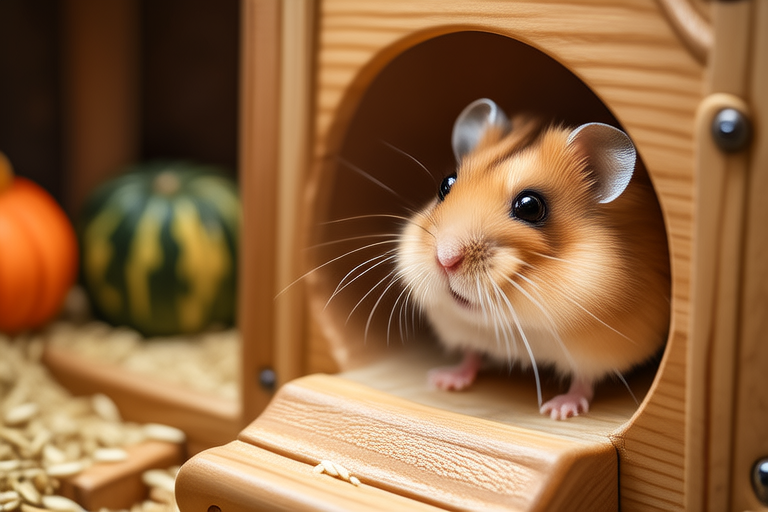
Hamsters Unleashed: How to Create the Ultimate Play Area for Your Little Friend
Welcome to the wonderful world of hamster ownership! These tiny creatures bring immense joy and companionship into our lives. Creating a safe, stimulating play area is crucial for their physical and mental well-being. This guide will walk you through the steps to design the ultimate play area for your little friend.
Selecting the Right Cage
The first step in creating the perfect play area is choosing the right cage. Ensure that the cage has enough space for your hamster to move around comfortably. Syrian hamsters require at least 36 square inches of floor space, while dwarf hamsters need about 24 square inches. Opt for a cage made of sturdy material, such as metal or plastic, to prevent your hamster from chewing through it. Wire cages are popular, but they can be dangerous if the wires are too close together, as your hamster could get stuck. Look for a cage with a solid bottom and ventilation on the sides.
Incorporating Exercise Wheels
An exercise wheel is an essential component of any hamster play area. It allows your pet to run and burn off excess energy. Choose a solid-surface wheel to prevent injuries caused by feet getting caught between the bars. The wheel should be large enough for your hamster to run without hunching its back. For Syrian hamsters, a diameter of at least 8 inches is recommended, while dwarf hamsters can manage with a 6-inch wheel. Mount the wheel securely to prevent wobbling, which can lead to falls and injuries.
Building Tunnels and Hiding Spots
Tunnels and hiding spots provide a sense of security and stimulation for your hamster. You can create tunnels using cardboard tubes, PVC pipes, or specially designed hamster tunnels available at pet stores. Connect these tunnels to form a network of pathways throughout the play area. Provide multiple hiding spots, such as small wooden houses, ceramic pots, or fabric hammocks. Dwarf hamsters, in particular, enjoy having several hiding spots to choose from. Make sure all tunnels and hiding spots are secure and cannot collapse or trap your hamster inside.
Adding Durable Toys
Toys are essential for keeping your hamster entertained and mentally stimulated. Provide chew toys made from untreated wood or cardboard to help wear down your hamster’s continuously growing teeth. Balls, swings, and ladders are also great options. Ensure that all toys are safe and durable, as hamsters have a tendency to chew on everything. Rotate toys regularly to keep your hamster interested and engaged.
Including Litter Boxes and Sand Baths
Hamsters are naturally clean animals and will appreciate having a litter box in their play area. Fill the box with soft bedding, such as shredded paper or wood shavings. Place the litter box in a quiet corner of the cage to encourage your hamster to use it. Additionally, provide a sand bath for dwarf hamsters, who enjoy bathing in fine sand to keep their fur clean and healthy. Use chinchilla sand, which is specifically designed for small animals. Replace the sand weekly to maintain cleanliness.
Maintaining Hygiene and Cleanliness
Regular cleaning is crucial for maintaining a healthy environment for your hamster. Remove soiled bedding and replace it with fresh material every few days. Clean the entire cage thoroughly once a week, washing all accessories and replacing bedding. Use mild, pet-safe disinfectants to sanitize the cage and prevent the growth of harmful bacteria. Avoid using strong-smelling chemicals, as these can irritate your hamster’s sensitive respiratory system.
Ensuring Physical and Mental Well-being
A well-designed play area promotes both physical and mental well-being for your hamster. Regular exercise helps maintain a healthy weight and prevents obesity-related health issues. Mental stimulation is equally important, as bored hamsters may exhibit behavioral problems such as excessive chewing or aggression. Provide a variety of activities and toys to keep your hamster engaged and happy. Observe your hamster’s behavior and adjust the play area as needed to ensure it remains enjoyable and stress-free.
Monitoring Your Hamster’s Interaction
Closely monitor your hamster’s interaction with its environment to ensure it remains enjoyable and stress-free. Watch for signs of discomfort, such as reluctance to use certain areas or excessive chewing on toys. Adjust the layout of the play area based on your observations. Pay attention to your hamster’s daily routine and activity levels. A healthy hamster should be active during the night and rest during the day. If you notice changes in behavior, consult with a veterinarian to rule out any underlying health issues.
Conclusion
Creating the ultimate play area for your hamster is an exciting and rewarding endeavor. By following these steps and incorporating the suggested elements, you can design a safe, stimulating environment that promotes your pet’s physical and mental well-being. Remember to regularly clean the play area and monitor your hamster’s interaction to ensure it remains enjoyable and stress-free. With the right setup, your hamster will thrive and bring endless joy into your life.
