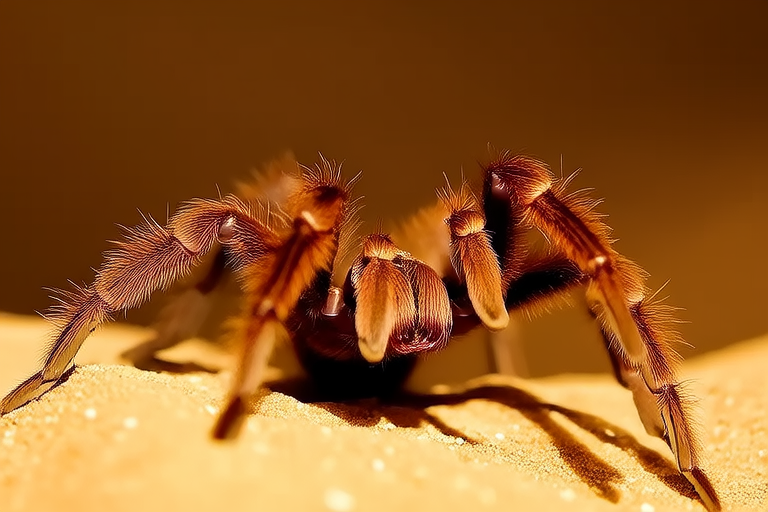
Chilean Rose Tarantulas: Perfect Pets for Arachnid Enthusiasts
Introduction
Welcome to the fascinating world of arachnids! Among the many captivating species, the Chilean rose tarantula stands out as one of the most popular choices for pet owners. Known for their docile nature and striking appearance, these tarantulas make perfect companions for arachnid enthusiasts. In this article, we will explore the unique characteristics of Chilean rose tarantulas, discuss their care requirements, and provide valuable insights into what it means to own one of these magnificent creatures.
Understanding Chilean Rose Tarantulas
The Chilean rose tarantula (Grammostola rosea) is native to the deserts of South America, specifically regions in Chile, Argentina, and Peru. These spiders are relatively small compared to other tarantulas, typically growing up to 4-6 inches in leg span. Their name comes from the pinkish hue that they exhibit when they first molt, which fades over time to a more reddish-brown color.
One of the most appealing aspects of the Chilean rose tarantula is its temperament. They are generally calm and docile, making them ideal for handling. However, it’s important to handle them gently and with respect, as all tarantulas can bite if provoked. Their venom is mild and not dangerous to humans, but a bite can be painful and cause localized swelling.
Chilean rose tarantulas are also known for their longevity. With proper care, they can live up to 20 years, offering a long-term commitment for dedicated pet owners.
Care Requirements
Setting up the perfect habitat is crucial for the well-being of your Chilean rose tarantula. A glass tank or terrarium with a secure lid is recommended. The tank should be spacious enough to allow the spider ample room to move around comfortably. A substrate of coconut fiber or peat moss works well, providing a natural environment for burrowing.
Temperature and humidity levels are essential for maintaining the health of your tarantula. The ideal temperature range is between 75-85°F (24-29°C), with humidity levels around 50-70%. To achieve this, you can use a hygrometer to monitor humidity and a thermostat-controlled heat mat to maintain the appropriate temperature.
Diet is another critical aspect of care. Chilean rose tarantulas are carnivorous and primarily feed on insects such as crickets, mealworms, and roaches. Juvenile tarantulas can be fed smaller prey items every few days, while adults require feeding less frequently, approximately once a week. It’s important to gut-load the feeder insects with nutritious food before offering them to your tarantula to ensure optimal nutrition.
Handling your tarantula requires patience and practice. Always wash your hands before and after handling to avoid transferring oils or chemicals onto the spider. Use a soft, wide-handled tool to gently guide the tarantula onto your hand. Avoid sudden movements and handle the spider with care to prevent stress.
Common Health Issues and Signs of a Healthy Tarantula
Like any pet, Chilean rose tarantulas can experience health issues. Common problems include mites, molting complications, and respiratory infections. Mites can be treated with a commercial miticide, while molting complications may require veterinary intervention. Respiratory infections can be prevented by maintaining clean and dry conditions in the enclosure.
A healthy Chilean rose tarantula displays certain signs. Their legs should be strong and mobile, and their abdomen should be plump. They should have clear eyes and a glossy exoskeleton. If you notice any abnormalities, such as lethargy, loss of appetite, or unusual behavior, consult a veterinarian who specializes in exotic animals.
Selecting the Right Tarantula
Choosing the right tarantula is an important decision. When selecting a Chilean rose tarantula, look for a reputable breeder or seller. Reputable breeders prioritize the health and well-being of their animals and can provide valuable information about the tarantula’s history and care requirements. Avoid purchasing from sources that offer multiple species in the same enclosure, as this can lead to cross-contamination and health issues.
When inspecting a potential pet, check for any signs of injury, illness, or stress. A healthy tarantula will be active and responsive, with no visible injuries or deformities. Additionally, ask about the tarantula’s age and sex, as this information can help you better understand its care needs.
The Joys of Owning a Chilean Rose Tarantula
Owning a Chilean rose tarantula can be a rewarding experience for arachnid enthusiasts. Watching your tarantula grow and thrive under your care is incredibly satisfying. The bond you form with your pet can be profound, as you learn to understand its behaviors and preferences.
However, it’s important to remember the responsibilities that come with ownership. Providing the right care and attention ensures your tarantula lives a long and healthy life. Regular maintenance of the enclosure, monitoring for signs of illness, and adjusting care as needed are all part of being a responsible pet owner.
In conclusion, Chilean rose tarantulas are fascinating creatures that offer a unique and rewarding pet experience. With their docile nature, striking appearance, and relatively low maintenance requirements, they are perfect for both beginners and experienced arachnid enthusiasts. By following the guidelines provided in this article, you can ensure that your Chilean rose tarantula thrives in its new home.
