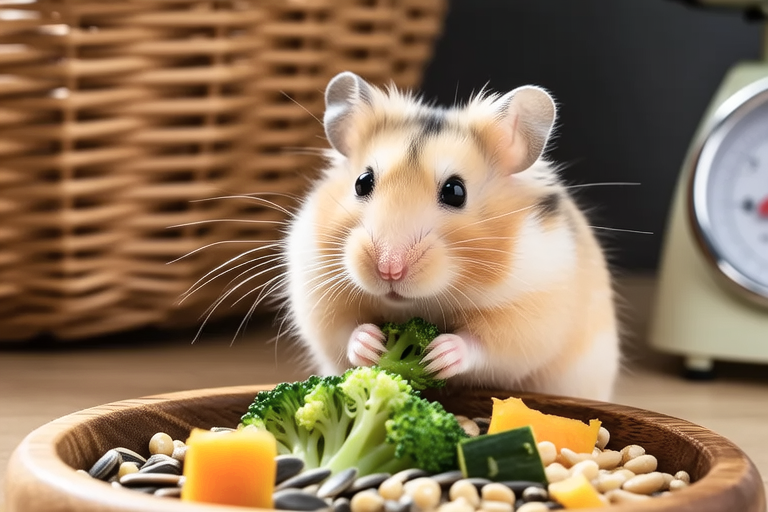
The Best Diet Tips Every Golden Hamster Owner Needs to Know
Welcome to the world of golden hamsters! These adorable, furry creatures have specific dietary needs that are crucial for their health and happiness. As a responsible owner, it’s important to understand what your hamster requires nutritionally. In this article, we will explore the essential nutrients, the best types of food, proper portion sizes, and how to maintain a balanced diet for your golden hamster.
Understanding Your Golden Hamster’s Unique Dietary Needs
Golden hamsters are small, nocturnal animals that require a balanced diet to thrive. Their diet should be rich in fiber, protein, and essential vitamins and minerals. Unlike humans, they don’t need complex carbohydrates or sugars. A well-balanced diet ensures your hamster maintains a healthy weight, has strong bones, and a robust immune system.
Essential Nutrients for Your Golden Hamster
Your golden hamster needs a variety of nutrients to stay healthy. Here are some key components:
- Fiber: Crucial for digestive health and preventing blockages. Sources include hay and certain vegetables.
- Protein: Supports muscle growth and repair. Found in seeds, nuts, and insects.
- Vitamins and Minerals: Necessary for overall health. Vitamin C, for instance, can prevent scurvy, while calcium strengthens bones.
Recommended Types of Food
There are several types of food that are safe and beneficial for your golden hamster:
High-Quality Pellets
Pellets are the foundation of your hamster’s diet. They come in various flavors and formulations, but always opt for those specifically designed for hamsters. Look for pellets that contain a mix of grains, seeds, and dried vegetables. Avoid pellets that are too high in sugar or fat.
Fresh Vegetables
Vegetables provide essential vitamins and minerals. Safe options include leafy greens like spinach, kale, and lettuce. Be cautious with high-water content vegetables such as cucumbers and tomatoes, as they can cause diarrhea if fed excessively.
Fruits
Fruits are a great source of natural sugars and vitamins. Offer them sparingly, as they can lead to obesity if overfed. Apples, strawberries, and blueberries are good choices. Always remove the seeds from apples, as they contain cyanide.
Safe Treats
Treats can be fun and rewarding but should be given in moderation. Safe treats include small pieces of cheese, unsweetened yogurt drops, and occasional insects like mealworms. Remember, treats should not exceed 10% of your hamster’s daily diet.
Portion Sizes
Proper portion control is essential to avoid overfeeding. A general guideline is one teaspoon of pellets per day for an adult hamster. Fresh vegetables should be limited to a few pieces, and fruits should be offered once or twice a week. Always remove uneaten food after a few hours to prevent spoilage.
Dangers of Overfeeding or Feeding Inappropriate Foods
Overfeeding can lead to obesity, which increases the risk of diabetes, heart disease, and joint problems. Conversely, feeding inappropriate foods can cause digestive issues, nutritional imbalances, and even death. For example, chocolate, caffeine, and avocado are toxic to hamsters.
Introducing New Foods Safely
When introducing new foods, do so gradually to monitor for any adverse reactions. Start by offering a tiny piece of the new food and observe your hamster for the next 24 hours. Look for signs of discomfort, such as lethargy, diarrhea, or loss of appetite. If no issues arise, you can gradually increase the amount.
Maintaining a Balanced Diet
To ensure a balanced diet, rotate between different types of vegetables and fruits. This helps prevent boredom and ensures your hamster receives a wide range of nutrients. Also, make sure to provide hay regularly, as it aids digestion and prevents dental issues.
Keeping Water Clean and Accessible
Water is just as important as food. Always provide fresh, clean water in a bottle with a sipper tube. Check the bottle daily to ensure it’s functioning correctly and replace the water every other day. Dirty water can lead to dehydration and illness.
The Importance of Regular Diet Reviews with a Veterinarian
Scheduling regular check-ups with a veterinarian is crucial. They can assess your hamster’s overall health and provide personalized dietary recommendations. They may also recommend supplements if your hamster is deficient in certain nutrients.
Conclusion
Feeding your golden hamster a nutritious and balanced diet is vital for its well-being. By understanding their unique dietary needs and providing the right types of food in appropriate portions, you can ensure your hamster lives a long and healthy life. Remember, a happy hamster is a healthy hamster!
