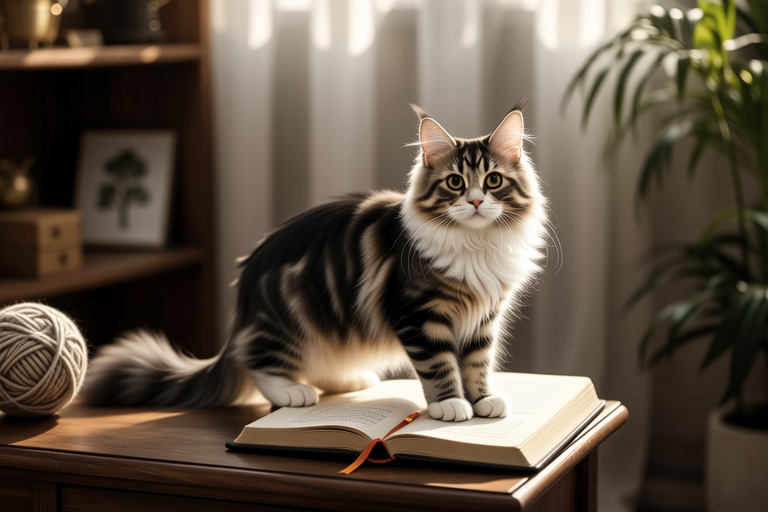
Secrets of Owning a Maine Coon: Tips from Expert Cat Owners
Welcome to the wonderful world of Maine Coons! Known as ‘gentle giants’ of the feline world, these majestic cats have captured the hearts of many with their striking appearance and gentle demeanor. If you’re a new owner or thinking about adopting a Maine Coon, this guide will provide you with expert advice from seasoned cat owners who know these magnificent creatures inside out. We’ll cover grooming, dietary needs, health concerns, exercise requirements, and behavioral insights, helping you understand what makes Maine Coons so special and how best to care for them.
The Unique Characteristics of Maine Coons
Maine Coons are one of the largest domesticated cat breeds, known for their long, shaggy coats, tufted ears, and bushy tails. They are intelligent, playful, and social, often forming strong bonds with their human companions. Unlike some other breeds, Maine Coons tend to be more vocal and can mimic human speech patterns, making them delightful conversationalists. Their large size and friendly nature mean they are excellent family pets, especially for households with children or other pets.
Grooming: Keeping Your Maine Coon’s Coat Healthy
One of the joys of owning a Maine Coon is their luxurious coat, but it requires regular grooming to keep it in top condition. Experts recommend brushing your Maine Coon at least twice a week to prevent matting and remove loose hair. A slicker brush is ideal for this purpose. During shedding seasons, which usually occur in spring and fall, daily brushing may be necessary to manage the increased amount of fur. Bathing is generally not required unless your cat gets particularly dirty or has a medical issue that necessitates it.
Dietary Needs: Feeding Your Maine Coon Properly
Maine Coons have hearty appetites due to their large size and active lifestyles. It’s important to feed them a high-quality diet that meets their nutritional needs without causing obesity. Consult with your veterinarian to determine the appropriate portion sizes based on your cat’s age, weight, and activity level. Wet food can be beneficial as it provides hydration, which is crucial for maintaining kidney health in Maine Coons. Avoid feeding them foods high in salt or sugar, as these can lead to health issues.
Health Concerns Specific to Maine Coons
While Maine Coons are generally healthy cats, there are certain health issues that are more prevalent in this breed. Hypertrophic cardiomyopathy (HCM) is a heart disease that can affect Maine Coons, so regular veterinary check-ups are essential. Polycystic kidney disease (PKD) is another concern, especially if your cat has a family history of the condition. Early detection through genetic testing can help manage PKD. Regular dental care is also vital, as Maine Coons are prone to periodontal disease.
Exercise Requirements: Keeping Your Maine Coon Active
Maine Coons are naturally curious and playful, but they can become overweight if not provided with enough physical activity. Interactive toys, such as laser pointers or feather wands, can stimulate their hunting instincts and keep them entertained. Puzzle feeders are another great option, encouraging mental stimulation while satisfying their appetite. Some Maine Coons enjoy playing fetch, much like dogs, making them perfect candidates for outdoor playtime in safe environments.
Behavioral Insights: Understanding Your Maine Coon
Maine Coons are known for their affectionate and sociable personalities. They often form strong bonds with their owners and enjoy being part of family activities. However, they can also be independent thinkers, sometimes requiring patience when training or adjusting to new situations. Positive reinforcement techniques work well with Maine Coons; rewarding good behavior with treats or praise encourages them to repeat desirable actions. Socialization from a young age helps Maine Coons adapt to different environments and people, making them more confident and well-adjusted adults.
Common Challenges for New Owners
Adopting a Maine Coon can bring joy into your life, but it also comes with its share of challenges. One common issue is managing their vocal tendencies. While their communication skills are endearing, excessive meowing can become annoying. Redirecting their attention to toys or providing them with interactive play sessions can help reduce unnecessary vocalizations. Another challenge is ensuring they stay active and engaged. Maine Coons can easily become bored, leading to destructive behaviors. Providing plenty of toys and stimulating activities keeps them mentally and physically healthy.
Practical Tips for New Owners
- Patience: Maine Coons may take longer than other breeds to warm up to new people or situations. Give them time to adjust and build trust.
- Socialization: Expose your kitten to various environments, sounds, and people early on to foster a well-rounded adult cat.
- Regular Vet Visits: Schedule routine check-ups and vaccinations to monitor your cat’s health and catch any potential issues early.
- Spaying/Neutering: Consider spaying or neutering your Maine Coon to prevent unwanted litters and reduce the risk of certain cancers.
- Safe Outdoor Access: If you plan to let your Maine Coon outdoors, ensure they are microchipped and wearing identification tags. Consider a harness and leash for supervised walks.
Conclusion
Owning a Maine Coon is a rewarding experience that brings years of companionship and joy. By understanding their unique characteristics and following expert advice on grooming, dietary needs, health concerns, exercise requirements, and behavioral insights, you can ensure your Maine Coon lives a happy and healthy life. Whether you’re a seasoned cat owner or new to the world of felines, adopting a Maine Coon means welcoming a loyal, loving member into your family. With proper care and attention, your Maine Coon will thrive and bring endless delight to your home.
