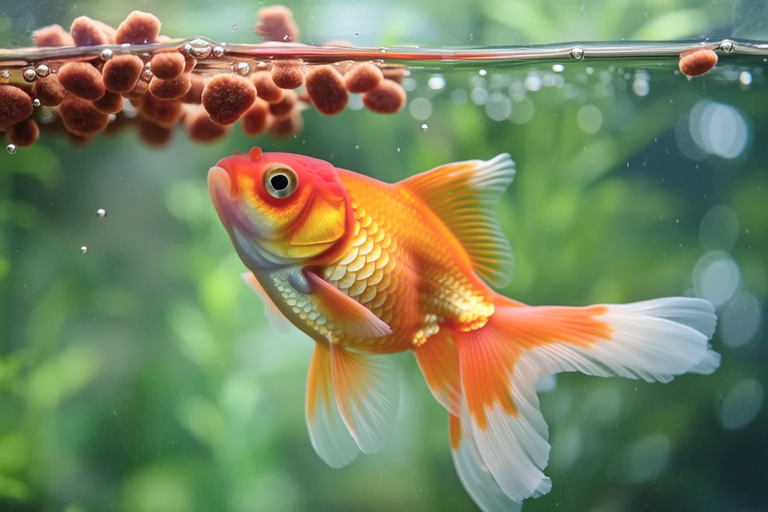
From Tank to Table: Everything You Need to Know About Goldfish Diet
Introduction
The importance of proper nutrition for goldfish cannot be overstated. Just like any other living creature, goldfish require a balanced diet to maintain their health and extend their lifespan. A well-fed goldfish will exhibit vibrant colors, robust health, and an active demeanor. Conversely, malnutrition can lead to stunted growth, weakened immune systems, and even premature death. Understanding what your goldfish need and providing them with a nutritious diet is fundamental to ensuring they thrive in their aquatic environment.
Essential Nutrients for Goldfish Health
Goldfish require a diverse array of nutrients to stay healthy. Protein is crucial for muscle development and repair, while fats provide energy and help absorb fat-soluble vitamins. Carbohydrates supply additional energy, and fiber aids digestion. Vitamins and minerals are vital for various bodily functions, from bone formation to immune support. Omega-3 fatty acids, particularly found in flaxseed oil or krill, promote heart health and enhance vision.
Variety of Food Options for Goldfish
Commercial goldfish foods come in various forms, each catering to different dietary needs and preferences. Flakes are convenient and easy to distribute but may not sink quickly enough for bottom-dwelling fish. Pellets offer a more substantial meal and are designed to float, allowing for gradual sinking. Sinking wafers cater specifically to bottom feeders, ensuring they receive adequate nutrition.
Live and frozen foods, such as brine shrimp, bloodworms, and daphnia, provide a natural and nutrient-rich diet. These foods can also stimulate feeding behavior in finicky eaters. It’s important to note that live foods should be sourced from reputable suppliers to avoid introducing diseases into the tank.
Portion Control and Feeding Frequency
Overfeeding is one of the most common mistakes made by goldfish owners. Excess food can lead to water pollution, as uneaten food decomposes and releases harmful substances. The general rule is to feed your goldfish twice daily, offering only what they can consume within two minutes. This ensures that all food is eaten, reducing waste and maintaining water quality.
Monitoring feeding times and amounts is crucial. Overfeeding can cause bloating, swim bladder disorders, and even death. Underfeeding, while less dangerous, can lead to malnutrition and stunted growth. Striking the right balance is key to maintaining your goldfish’s health.
The Role of Vegetables and Supplements
Incorporating vegetables into your goldfish’s diet provides essential nutrients and promotes digestive health. Shredded lettuce, spinach, and peas are popular choices. Introduce these foods gradually to prevent digestive issues. Supplements can enhance the nutritional value of their meals, especially if you’re concerned about deficiencies. Look for supplements containing vitamins, minerals, and probiotics to support overall health.
Tips for Transitioning Goldfish to New Types of Food
Introducing new foods requires patience and careful observation. Start by mixing small quantities of the new food with their current diet, gradually increasing the proportion over several days. Monitor your goldfish closely during this transition period for any signs of discomfort or refusal. If your fish show no interest in the new food, it might be necessary to try alternative options.
Monitoring Fish Health and Adjusting the Diet
Regularly observe your goldfish for signs of good health, such as clear eyes, smooth scales, and active swimming. Any changes in behavior or appearance could indicate underlying health issues. Adjust the diet accordingly if you notice signs of malnutrition or disease. Consulting with a veterinarian or experienced aquarist can provide valuable insights when making dietary adjustments.
Conclusion
Providing a balanced and varied diet is essential for keeping your goldfish healthy and happy. By understanding the nutritional requirements of your fish and offering a range of food options, you can ensure they thrive in their aquatic home. Remember to monitor their health regularly and adjust their diet as needed. With proper care and attention, your goldfish can enjoy a long and vibrant life in your tank.
