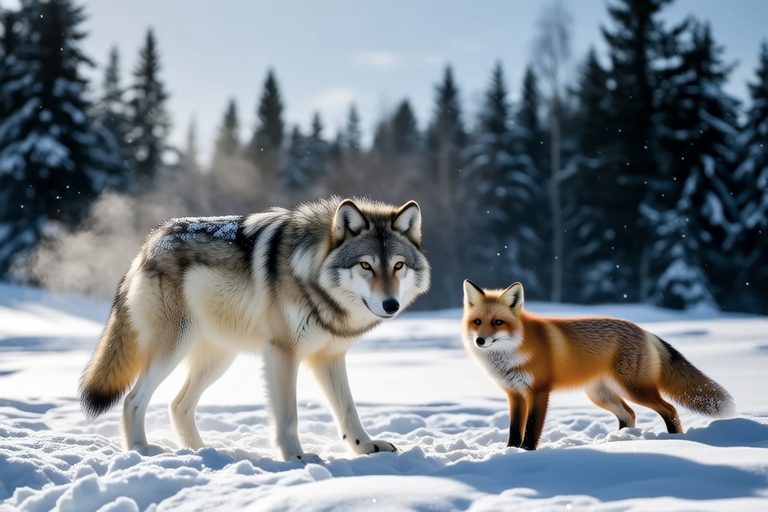
The Evolutionary Journey of Wolves to Domesticated Dogs: The Shiba Inu
The transition from wild wolves to domesticated dogs is one of the most fascinating stories in animal evolution. This journey spans thousands of years, with countless milestones and adaptations. Among the many breeds that have emerged, the Shiba Inu stands out for its unique blend of ancient heritage and modern appeal. This article delves into the evolutionary path of dogs, focusing particularly on the Shiba Inu, exploring its transformation, resilience, and cultural significance.
Key Milestones in Canine Domestication
The domestication of dogs began around 15,000 to 40,000 years ago, when humans first began to interact with wolves. Early interactions were likely driven by mutual benefits: wolves received food scraps and protection, while humans gained hunting companions and alarm systems. Over time, these relationships evolved into more structured domestication.
One pivotal moment was the development of selective breeding. Humans started to choose which wolves to keep based on desired traits, such as docility, loyalty, and hunting prowess. This process accelerated during the agricultural revolution, as dogs became essential for herding livestock and protecting crops.
The Shiba Inu, like other Japanese breeds, has a distinct history. Originating in the mountainous regions of Japan, it was initially bred for hunting small game. Its name, ‘Shiba,’ translates to ‘brushwood,’ referring to the dense vegetation where it hunted. The breed’s early history is shrouded in mystery, but archaeological evidence suggests it existed as far back as the Jomon period (around 14,000 BC).
Genetic Adaptations of the Shiba Inu
The Shiba Inu’s unique characteristics are a result of both natural selection and human intervention. Genetic studies have revealed several adaptations that contribute to the breed’s distinctive features.
One notable adaptation is the Shiba Inu’s compact size. While other breeds were selected for larger sizes to assist in hunting or guarding, the Shiba Inu remained small and agile, perfect for navigating through thick underbrush. This size also made it easier for hunters to carry the dog after a successful hunt.
Another significant adaptation is the breed’s double coat. The outer layer is straight and coarse, providing protection against harsh weather conditions, while the inner layer is soft and dense, offering insulation. This coat is particularly useful in the Shiba Inu’s native mountainous regions, where temperatures can drop significantly.
The Shiba Inu’s keen sense of smell is another genetic trait that sets it apart. This heightened olfactory ability aids in hunting and helps the dog navigate its environment. It is believed that this trait was enhanced through generations of selecting for dogs with the best scenting abilities.
Cultural Impact of the Shiba Inu in Japan
In Japan, the Shiba Inu holds a special place in the hearts of the people. Historically, it was a working dog, assisting farmers and hunters. Its agility and intelligence made it an invaluable asset in the rugged terrain of Japan. However, with the advent of modern technology and changes in lifestyle, the role of the Shiba Inu shifted.
Today, the Shiba Inu is primarily kept as a companion animal. Its popularity has grown exponentially, and it is now one of the most beloved breeds in Japan. The breed’s resilience and adaptability have allowed it to thrive in urban environments, where it serves as a loyal and affectionate pet.
The Shiba Inu’s cultural significance extends beyond its role as a pet. It is often featured in Japanese art, literature, and media. Its image evokes nostalgia for simpler times and a connection to nature. In recent years, the Shiba Inu has also gained international recognition, becoming a popular choice for pet owners worldwide.
Temperament of the Shiba Inu
The Shiba Inu’s temperament is a reflection of its history and purpose. It is an independent and confident breed, qualities that served it well as a hunter. However, this independence can sometimes manifest as stubbornness, making training a bit challenging. Owners must be patient and consistent, using positive reinforcement techniques to guide their Shiba Inu.
Despite its independent streak, the Shiba Inu is known for its loyalty and affection towards its family. It forms strong bonds with its owners and enjoys spending quality time with them. However, it may be reserved or even wary of strangers, a trait that stems from its protective instincts.
The Shiba Inu’s alertness and intelligence make it an excellent watchdog. It will bark at any unusual activity, providing an early warning system for its family. However, this can sometimes lead to excessive barking, so proper training and socialization are crucial to ensure the dog’s behavior is manageable.
Physical Traits of the Shiba Inu
The Shiba Inu’s physical appearance is a testament to its evolutionary journey. It has a compact, muscular build, with a height ranging from 33 to 40 cm and a weight between 6.8 and 10.9 kg. Its body is designed for agility and endurance, allowing it to move swiftly through difficult terrain.
The breed’s coat is one of its most striking features. The outer coat is short and straight, while the undercoat is thick and plush. The coat comes in three main colors: red, black and tan, and sesame (a mix of red and black). These colors provide excellent camouflage in the wild, helping the Shiba Inu remain unseen by prey.
The Shiba Inu’s expressive eyes and pointed ears give it a fox-like appearance, contributing to its charm and appeal. Its tail is curled over its back, adding to its overall regal demeanor. Overall, the Shiba Inu’s appearance is a harmonious blend of strength, elegance, and functionality.
Training Aspects of the Shiba Inu
Training a Shiba Inu requires patience and understanding. The breed’s independent nature means it does not respond well to harsh or punitive methods. Positive reinforcement, such as treats and praise, is highly effective. Consistency is key; the Shiba Inu thrives on routine and clear expectations.
Early socialization is crucial for a well-adjusted Shiba Inu. Exposing the puppy to various people, animals, and environments from a young age helps it develop into a confident and friendly adult. This exposure also reduces the likelihood of aggressive behavior towards strangers.
The Shiba Inu’s intelligence makes it quick to learn, but it can also become bored easily. Training sessions should be kept short and engaging to maintain the dog’s interest. Interactive toys and games can help stimulate the Shiba Inu’s mind and prevent destructive behaviors.
Modern-Day Roles of the Shiba Inu
In the modern world, the Shiba Inu has adapted to new roles while maintaining its traditional strengths. It remains a beloved companion animal, providing companionship and comfort to its owners. Its small size and adaptability make it suitable for apartment living, and its low-maintenance grooming needs make it a practical choice for busy individuals.
The Shiba Inu’s agility and intelligence have also made it popular in competitive sports, such as agility trials and obedience competitions. Its natural athleticism and problem-solving skills make it a formidable competitor in these events.
Moreover, the Shiba Inu’s unique appearance has made it a favorite subject for photographers and artists. Its expressive face and endearing personality have captured the hearts of many, further cementing its status as a cultural icon.
Conclusion
The journey from wild wolves to domesticated dogs is a testament to the resilience and adaptability of both humans and canines. The Shiba Inu, with its rich history and unique characteristics, exemplifies the enduring bond between humans and their canine companions. From its origins as a hunting dog to its current role as a beloved pet, the Shiba Inu continues to captivate and inspire. Its cultural significance, coupled with its charming personality and physical traits, ensures its place in the hearts of dog enthusiasts for generations to come.
