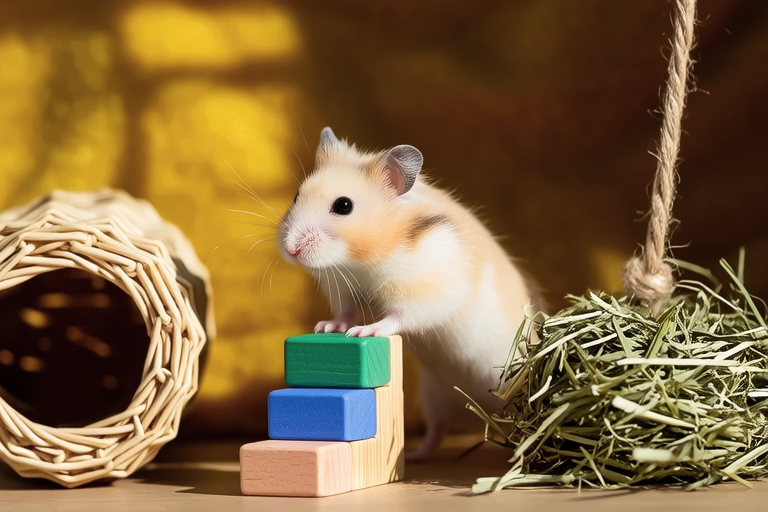
DIY Fun: Creative Ways to Enrich Your Golden Hamster’s Environment at Home
Golden hamsters are delightful creatures that thrive when given a stimulating and enriching environment. Providing your pet with an engaging habitat can enhance their overall well-being, promoting both mental and physical health. This guide offers practical, easy-to-follow DIY ideas for creating a safe and stimulating home for your golden hamster using common household items. By following these steps, you can ensure your pet enjoys a fulfilling and entertaining life without breaking the bank.
The Importance of Mental and Physical Stimulation
Mental and physical stimulation are crucial for maintaining the health and happiness of your golden hamster. These small animals are naturally curious and active, requiring ample opportunities to explore, play, and exercise. A lack of stimulation can lead to boredom, stress, and even behavioral issues. Therefore, it is essential to provide a variety of activities and toys that challenge your hamster mentally and physically.
Creating Safe and Stimulating Environments
When designing your hamster’s living space, safety must be your top priority. Ensure all materials used are non-toxic and free from sharp edges or small parts that could pose choking hazards. Opt for natural fibers and untreated wood for bedding and chew toys, as these are safer alternatives to synthetic materials. Additionally, always supervise your hamster during playtime to prevent accidents.
DIY Hamster Wheel
A hamster wheel is an essential component of any hamster’s living space, providing ample opportunity for exercise. However, many store-bought wheels can be expensive. Instead, consider building your own using simple household items.
- Materials Needed: Cardboard, duct tape, and a sturdy base (like a plastic container).
- Steps:
- Measure and cut a piece of cardboard to fit the desired size of your hamster wheel.
- Roll the cardboard into a cylinder and secure it with duct tape.
- Attach the cylinder to a sturdy base using additional duct tape.
- Test the wheel to ensure it spins smoothly and securely.
- Safety Considerations: Avoid using thin cardboard, which may bend or break under the hamster’s weight. Ensure the wheel is stable and does not wobble.
- Maintenance Tips: Regularly check the wheel for wear and tear, replacing any damaged parts promptly. Clean the wheel weekly to prevent the buildup of dirt and bacteria.
DIY Hamster Tunnel System
Tunnels provide excellent opportunities for exploration and exercise, making them a popular addition to hamster habitats. Building a tunnel system using household items is both cost-effective and fun.
- Materials Needed: Cardboard tubes (from paper towels or toilet paper), duct tape, and scissors.
- Steps:
- Cut the cardboard tubes to various lengths to create different tunnel sizes.
- Secure the ends of the tubes together using duct tape, forming a continuous tunnel system.
- Arrange the tunnels in a maze-like pattern within the hamster’s cage, ensuring there are multiple entry and exit points.
- Place some of the tunnels vertically to create climbing challenges for your hamster.
- Safety Considerations: Ensure all connections are secure to prevent the tunnels from collapsing. Monitor your hamster during playtime to avoid any potential accidents.
- Maintenance Tips: Inspect the tunnels regularly for damage and replace any worn-out sections. Clean the tunnels weekly to maintain hygiene.
DIY Hamster Hideout
Providing a cozy hideout is essential for your hamster’s sense of security. A homemade hideout can be created using a variety of materials, such as cardboard boxes or empty containers.
- Materials Needed: Cardboard box or container, scissors, and a small entrance hole.
- Steps:
- Choose a suitable container that is large enough for your hamster to comfortably move around inside.
- Cut a small entrance hole in one side of the container.
- Line the interior with soft bedding material, such as shredded paper or hay.
- Place the hideout in a quiet corner of the cage to encourage your hamster to use it as a retreat.
- Safety Considerations: Ensure there are no sharp edges or small parts that could injure your hamster. Check the hideout regularly for signs of wear and tear.
- Maintenance Tips: Replace the bedding material weekly and clean the hideout thoroughly to prevent odors and bacterial growth.
DIY Hamster Climbing Structure
Building a climbing structure allows your hamster to engage in natural behaviors, such as climbing and exploring. You can construct a simple yet effective climbing structure using untreated wood branches or bamboo.
- Materials Needed: Untreated wood branches or bamboo, sandpaper, and glue.
- Steps:
- Collect several pieces of wood or bamboo, ensuring they are free from splinters and sharp edges.
- Smooth any rough areas with sandpaper.
- Glue the pieces together to form a sturdy structure, allowing for multiple levels and pathways.
- Secure the structure to the sides of the cage using wire or other appropriate fasteners.
- Safety Considerations: Always use non-toxic adhesives and avoid any materials that could be harmful if ingested. Inspect the structure regularly for stability.
- Maintenance Tips: Periodically check the structure for loose parts and replace any damaged components. Clean the structure as needed to maintain hygiene.
Additional Toys and Accessories
In addition to the DIY projects mentioned above, there are several other toys and accessories you can create to keep your hamster entertained. Here are a few more ideas:
- Paper Roll Bridge: Connect two cardboard boxes with a bridge made from a flattened paper towel roll. This creates a fun obstacle for your hamster to cross.
- Shredded Paper Balls: Collect small pieces of paper and roll them into balls for your hamster to chase and play with.
- Empty Egg Carton: Cut an egg carton into individual cups and place treats inside for your hamster to find.
Balancing Cost-Effectiveness and Quality Care
While it is important to provide your hamster with a stimulating environment, it is equally important to do so in a way that is financially feasible. Many of the DIY projects outlined in this guide use inexpensive or free materials, making it possible to create high-quality toys and accessories without spending a lot of money. By repurposing household items and being creative, you can ensure your hamster enjoys a rich and engaging environment while keeping costs low.
Remember, the key to successful DIY projects is attention to detail and safety. Always prioritize the well-being of your pet, and never hesitate to consult with a veterinarian if you have any concerns about your hamster’s health or safety.
By following the tips and projects provided in this guide, you can create a stimulating and enriching environment for your golden hamster. With a little creativity and effort, you can ensure your pet enjoys a happy and healthy life at home.
