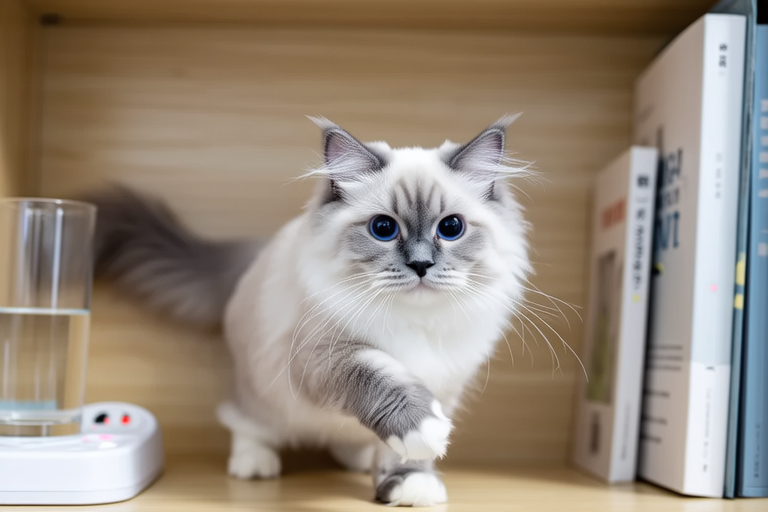
Chinchilla Care: Everything You Need to Know Before Getting One as a Pet
Welcome to the world of chinchillas! These small, furry creatures are native to the Andes Mountains in South America. With their plush, dense fur and endearing personalities, they have become increasingly popular as pets. However, before you bring one home, it’s essential to understand their specific care requirements. This comprehensive guide will cover everything you need to know about chinchillas, from their origins and habitat to dietary needs, housing, grooming, and health.
Introduction to Chinchillas
Chinchillas are rodents that belong to the family Chinchillidae. They are named after the Chincha people of the Andes, who once wore clothing made from their luxurious fur. In the wild, chinchillas live in colonies at high altitudes, where temperatures are cool and dry. Their thick fur serves as insulation against the cold mountain air. Chinchillas are nocturnal animals, meaning they are most active during the night. They are intelligent, curious, and can form strong bonds with their human caregivers.
Dietary Needs
Chinchillas have unique dietary requirements that must be met to ensure their health and longevity. Their diet should consist primarily of hay, which provides essential fiber for digestion. Timothy hay is a popular choice, but orchard grass hay is also suitable. Pellets formulated specifically for chinchillas should make up a smaller portion of their diet. These pellets are fortified with vitamins and minerals that may not be present in sufficient quantities in hay alone. Fresh water should always be available, and fresh vegetables can be offered in moderation as treats.
Suitable Housing Conditions
Adequate housing is crucial for your chinchilla’s well-being. A spacious cage with multiple levels is ideal, allowing your pet to explore and exercise. The cage should be large enough for your chinchilla to stretch out fully and stand on its hind legs without touching the top. Wire flooring is recommended over solid floors, as it allows droppings to fall through and keeps the cage cleaner. The cage should be placed in a quiet area away from direct sunlight and drafts. Avoid placing the cage near windows or doors, as sudden movements outside could startle your chinchilla.
Necessary Environmental Controls
Chinchillas are sensitive to changes in temperature and humidity. The ideal temperature range for chinchillas is between 60 and 70 degrees Fahrenheit (15 to 21 degrees Celsius). Temperatures above 80 degrees Fahrenheit (27 degrees Celsius) can be dangerous and lead to heatstroke. Humidity levels should be kept low, ideally between 40% and 60%. High humidity can cause fungal infections and skin problems. To maintain proper environmental conditions, consider using a dehumidifier if necessary.
Grooming Requirements
Grooming is an important part of chinchilla care. Unlike other animals, chinchillas do not bathe in water; instead, they take dust baths. Dust bathing helps remove oils and dirt from their fur, keeping it clean and healthy. Special chinchilla dust, available at pet stores, should be provided in a shallow container. Allow your chinchilla to bathe for about 10 to 15 minutes daily, then remove the dust and clean the container. Over-bathing can strip the fur of natural oils, so limit dust baths to no more than twice a week.
Common Health Issues and Prevention
Chinchillas can suffer from various health issues, many of which can be prevented with proper care. Dental problems are common due to the continuous growth of teeth. Providing plenty of hay and chew toys helps wear down teeth naturally. Respiratory infections can occur if the environment is too humid or dirty. Regular cleaning of the cage and maintaining appropriate humidity levels can help prevent these infections. Gastrointestinal stasis, a condition where food moves too slowly through the digestive tract, can be avoided by ensuring a balanced diet and adequate exercise.
Tips on Handling and Socializing Chinchillas
Handling your chinchilla gently and frequently helps build trust and strengthen your bond. Always support your chinchilla’s body when holding it, as they are delicate animals. Start by sitting on the floor or a low surface, offering treats to encourage approach. Once comfortable, gently scoop your chinchilla into your hands. Socialization is important for chinchillas to develop good behavior and confidence. Spend time interacting with your chinchilla each day, providing opportunities for play and exploration.
Choosing the Right Breeder or Pet Store
Selecting a reputable breeder or pet store is crucial when acquiring a chinchilla. Research potential sources thoroughly, checking reviews and asking for references. A good breeder will provide detailed information about the chinchilla’s lineage, health history, and care instructions. Look for signs of a healthy chinchilla, such as clear eyes, clean ears, and a shiny coat. Avoid purchasing from breeders or pet stores that house animals in overcrowded or unsanitary conditions.
Legal Considerations for Owning a Chinchilla
Before bringing a chinchilla home, check local regulations regarding exotic pets. Some areas may have restrictions or require permits for certain species. Be aware of any zoning laws that might affect where you can keep your chinchilla. Additionally, consult with your veterinarian to ensure they are familiar with chinchilla care and can provide appropriate medical attention when needed.
In conclusion, owning a chinchilla can be a rewarding experience for those willing to meet their unique care requirements. By understanding their origins, dietary needs, housing conditions, and grooming requirements, you can provide a happy and healthy life for your new pet. Remember to handle and socialize your chinchilla gently, and choose a reputable source when acquiring one. With the right care and attention, your chinchilla will become a cherished member of your family.
