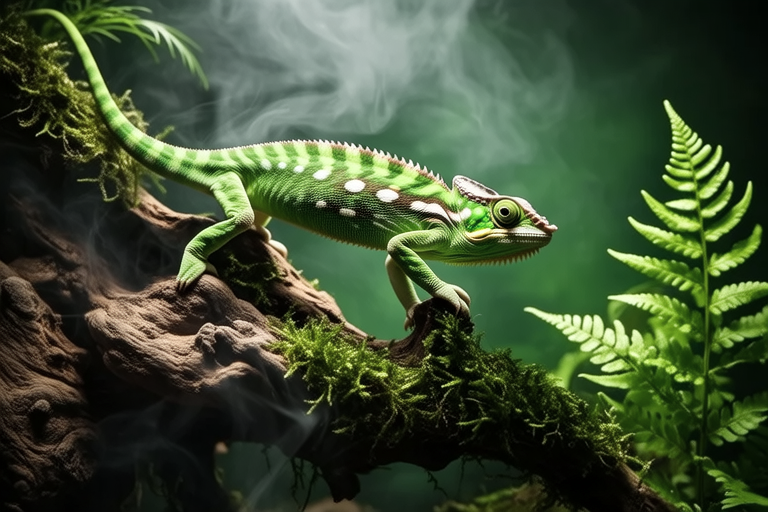
How to Decorate Your Home for a Chameleon: Creating the Perfect Habitat
Welcome to the fascinating world of chameleons! These unique creatures have captivated animal enthusiasts with their vibrant colors and distinctive behaviors. However, caring for a chameleon requires more than just love; it necessitates creating an environment that closely mimics their natural habitat. This comprehensive guide will walk you through the steps to decorate your home for a chameleon, ensuring a safe and enriching habitat.
Understanding Chameleon Needs
Before diving into the specifics of decorating, it’s essential to understand the basic needs of chameleons. These reptiles are arboreal, meaning they spend most of their time in trees. They require vertical space, ample sunlight, and a range of temperatures to thrive. Chameleons are also solitary animals, so they should be housed individually to avoid stress or aggression.
Selecting Appropriate Enclosures
The enclosure you choose for your chameleon plays a crucial role in its health and well-being. Opt for a large glass tank with a screen top for proper ventilation. The size of the tank depends on the species, but generally, a 20-gallon tank is suitable for juveniles, while adults may need a 40-gallon or larger enclosure. Ensure the tank has secure ventilation screens to prevent escapes.
Choosing the Right Lighting and Temperature Controls
Chameleons rely on UVB light for vitamin D3 synthesis, which is vital for calcium absorption and overall bone health. Invest in a high-quality UVB bulb designed specifically for reptiles. Position the bulb at one end of the tank, allowing your chameleon to bask under it for optimal exposure. Replace the bulb every six months, even if it still appears functional, as UVB output diminishes over time.
Temperature control is equally important. Chameleons are ectothermic, relying on external heat sources to regulate their body temperature. Use a digital thermometer and hygrometer to monitor these conditions accurately. Maintain a gradient with a basking spot between 85-95°F (29-35°C) and cooler areas around 75°F (24°C). Employ heat lamps, ceramic heaters, or under-tank heaters to achieve this gradient. Always ensure that the heating elements are safely positioned to prevent burns.
Setting Up Hiding Spots and Resting Areas
Providing hiding spots and resting areas is essential for your chameleon’s mental and physical health. These spaces offer refuge from bright lights and potential threats, promoting stress reduction. Use artificial plants, hollow logs, or commercially available hide boxes placed at various heights within the enclosure. Ensure that these items are securely fastened to prevent accidental falls.
Adding Plants and Branches for Climbing
Mimicking a natural forest environment is key to providing enrichment for your chameleon. Incorporate live or artificial plants, such as pothos, ficus, or dracaena, along with sturdy branches and vines. Arrange these elements vertically to encourage climbing and exploration. Ensure that all plant materials are non-toxic and free from pesticides or fertilizers. Live plants can also help maintain humidity levels within the enclosure.
Ensuring Proper Ventilation
Adequate ventilation is critical to prevent respiratory issues in chameleons. Screen tops allow fresh air to circulate while keeping your pet secure. Avoid overcrowding the tank with too many decorations, as this can impede airflow. Additionally, ensure that any water dishes or misting systems don’t create stagnant pools that could foster mold growth.
Maintaining Humidity Levels
Chameleons naturally inhabit humid environments, and maintaining the correct humidity level is vital for their health. Most species require humidity between 50-70%. Achieve this by misting the enclosure several times daily, using a fine spray nozzle. Automated misting systems can be beneficial for consistent humidity maintenance. Monitor humidity levels with a hygrometer to adjust misting frequency as needed.
Regular Cleaning Routines
A clean environment is paramount for preventing illness and promoting overall health. Clean the enclosure weekly, removing waste and uneaten food. Disinfect the tank and furnishings every two to three months using a reptile-safe cleaner. Rinse thoroughly and allow everything to dry completely before replacing it inside the enclosure. Regularly check for signs of wear and tear on decorations to ensure they remain safe for your chameleon.
Tips for Safe, Enriching Decorations
When decorating your chameleon’s habitat, prioritize safety and enrichment. Choose smooth, non-abrasive materials for branches and perches to prevent skin irritation. Avoid sharp edges or loose parts that could cause injury. Incorporate a variety of textures and heights to stimulate exploration and exercise. Rotate toys and decorations periodically to keep your chameleon engaged and mentally stimulated.
In conclusion, creating the perfect habitat for your chameleon involves careful planning and attention to detail. By understanding their needs and providing an enriched environment, you can ensure that your chameleon thrives in your care. Remember, each chameleon is unique, so observe their behavior and adjust the setup accordingly. With dedication and commitment, you’ll enjoy a rewarding relationship with your fascinating pet.
