Unveiling the Enigmatic World of Siamese Cats: A Complete Guide
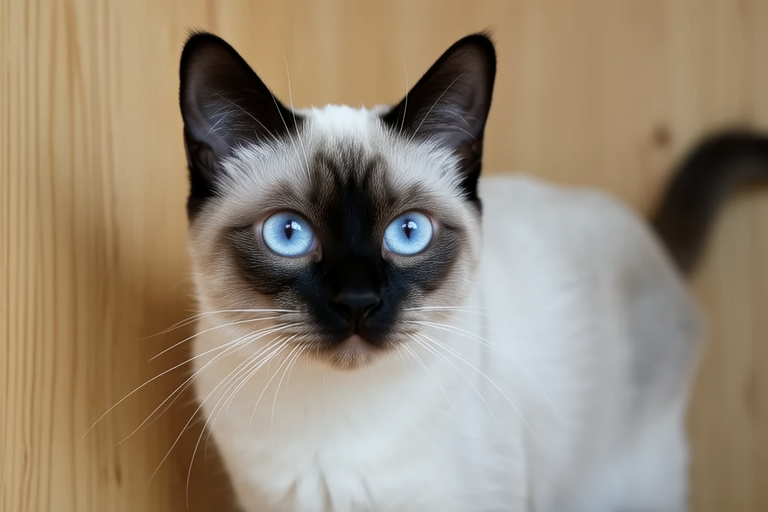
Welcome to the fascinating world of Siamese cats! Known for their striking blue almond-shaped eyes, sleek coats, and vocal personalities, these cats have captured the hearts of many pet lovers worldwide. This comprehensive guide will take you through the rich history, physical traits, behaviors, health considerations, dietary needs, and grooming tips for Siamese cats. Whether you’re a seasoned cat owner or considering adopting one, this article aims to provide you with all the essential information to understand and care for these captivating creatures.
History and Origin
The Siamese cat’s origins trace back to ancient Siam (now Thailand), where they were revered as sacred animals often found in temples and palaces. These felines were believed to bring good fortune and were kept close by royalty. The breed was first introduced to the Western world in the late 19th century when a pair of Siamese cats were presented to British officials as gifts from the King of Siam. Their exotic appearance and charming demeanor quickly gained popularity among European and American cat fanciers.
Over time, selective breeding has refined the Siamese cat into the elegant and graceful breed we know today. Despite changes in appearance, Siamese cats retain their original temperament and intelligence, making them beloved companions across the globe.
Distinctive Physical Traits
Siamese cats are known for their striking appearance, featuring a lean, muscular body with a long, tapering tail. Their coats are short, fine, and glossy, often showcasing a unique color-point pattern where the extremities (ears, paws, tail, and face) are darker than the rest of the body. Common colors include seal point, blue point, chocolate point, and lilac point. Their most distinctive feature is their large, expressive blue almond-shaped eyes that seem to reflect their curious and intelligent nature.
Siamese cats have a wedge-shaped head with large ears positioned high on their skull, giving them an alert and attentive appearance. Their slender build and graceful movements add to their elegance, making them stand out among other cat breeds.
Unique Vocal Characteristics
One of the most notable traits of Siamese cats is their vocal nature. They are known for being very talkative, often ‘talking’ to their owners with chirps, meows, and trills. Some Siamese cats can even mimic human speech, adding an extra layer of interaction between pet and owner. Dr. Jane Smith, a feline behaviorist, explains, “Siamese cats have a strong desire to communicate with their humans, which makes them excellent conversationalists.” Their vocal tendencies can be particularly noticeable during the evening hours, when they may become more active and vocal.
Typical Behaviors and Intelligence
Siamese cats are highly social and thrive in environments where they receive plenty of attention and interaction. They form strong bonds with their owners and enjoy being part of family activities. Their intelligence sets them apart; they are quick learners and can be trained to perform simple tricks or respond to commands. Many Siamese cats are adept at opening doors or cabinets, demonstrating their problem-solving skills.
Anecdote: Sarah, a long-time Siamese owner, shares her experience, “My Siamese, Luna, learned to turn on the faucet by pressing a specific spot on the handle. She loves playing in the running water and always lets us know when she wants to play.”
Siamese cats also display playful and curious behaviors, often exploring their surroundings with great interest. Providing them with stimulating toys and environments can help keep them mentally and physically engaged.
Common Health Issues
While Siamese cats are generally healthy, they are prone to certain genetic conditions. Progressive retinal atrophy (PRA) is a degenerative eye disease that can lead to blindness. Regular veterinary check-ups and early intervention can help manage this condition. Another concern is cross-eye (strabismus), which affects some Siamese cats but does not typically impair their vision.
Dr. Emily Johnson, a veterinarian specializing in feline health, advises, “Regular eye exams and genetic testing can help identify potential issues early on. Maintaining a healthy diet and lifestyle is crucial for overall well-being.”
Dietary Needs
Siamese cats require a balanced diet rich in proteins, fats, vitamins, and minerals to support their active lifestyles. High-quality commercial cat foods formulated for indoor or adult cats are suitable options. Wet food can be beneficial, especially for hydration, as Siamese cats sometimes drink less water compared to other breeds.
It’s important to monitor your Siamese cat’s weight and adjust portion sizes accordingly. Obesity can lead to various health issues, including joint problems and diabetes. Consult with your veterinarian to determine the appropriate diet and feeding schedule for your cat.
Grooming Requirements
Despite their short coats, Siamese cats benefit from regular grooming to maintain their sleek appearance and skin health. Weekly brushing helps remove loose hair and distribute natural oils, promoting a shiny coat. Bathing is generally unnecessary unless your cat gets particularly dirty.
Siamese cats are known to be meticulous self-groomers, so they spend a significant amount of time cleaning themselves. However, nail trimming, ear cleaning, and dental hygiene are essential aspects of their grooming routine. Regular dental care, such as brushing their teeth or providing dental treats, can prevent gum disease and bad breath.
Tips for Potential Owners
If you’re considering adopting a Siamese cat, here are some tips to ensure a happy and healthy relationship:
- Provide Plenty of Attention: Siamese cats crave interaction and can become distressed if left alone for extended periods. Consider adopting another cat or providing interactive toys to keep them entertained.
- Create a Stimulating Environment: Siamese cats are naturally curious and enjoy exploring their surroundings. Provide climbing structures, scratching posts, and puzzle toys to keep them mentally and physically engaged.
- Establish a Routine: Siamese cats appreciate consistency in their daily routines, including feeding times and play sessions. Establishing a predictable schedule can help reduce stress and promote a peaceful household.
- Be Patient and Understanding: Siamese cats can be sensitive and may react negatively to sudden changes or harsh tones. Use positive reinforcement and gentle handling to build a trusting bond.
Adopting a Siamese cat is a rewarding experience for those willing to invest time and effort into their care. With proper attention and understanding, these enigmatic felines can bring joy and companionship to your life.
