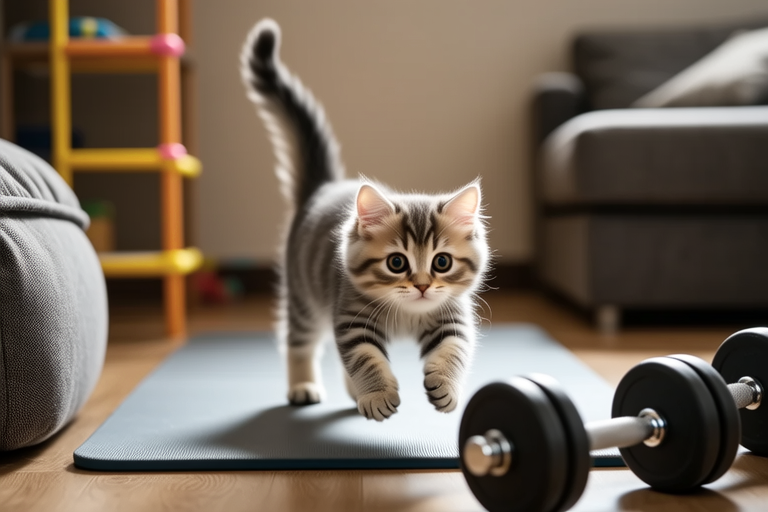
From Couch Potato to Star Performer: Training Your Munchkin Pet!
Welcome to the wonderful world of munchkin cats! These adorable, short-legged felines are known for their unique appearance and sometimes sedentary lifestyle. If your munchkin pet has been more of a couch potato than an active companion, it’s time to turn that around. With the right approach, you can transform your munchkin into an active, well-trained, and joyful pet. This guide will walk you through understanding munchkin cat behaviors, creating a safe environment, choosing the right toys, implementing gentle training techniques, establishing a routine, and monitoring progress.
Understanding Munchkin Cat Behaviors
Munchkin cats have a unique set of behaviors due to their distinct physical traits. Their short legs make them prone to sitting and lounging, but they are also curious and playful creatures. It’s essential to recognize these tendencies to effectively engage with them. Munchkins are generally friendly and sociable, which makes them excellent candidates for training.
One key behavior to understand is their curiosity. Munchkin cats love to explore their surroundings, so providing stimulating environments can encourage them to move more. They are also known for their playful nature, which can be harnessed to promote physical activity. Recognizing these behaviors will help you tailor your training methods to suit their needs.
Setting Up Safe Environments for Physical Activities
Creating a safe space for your munchkin to play and exercise is crucial. Ensure that your home is free from hazards such as small objects that could be swallowed or sharp edges that might cause injury. Use pet-safe materials for any DIY projects aimed at enhancing your munchkin’s play area.
Incorporate vertical spaces like cat trees and shelves to allow your munchkin to climb and explore. Munchkin cats enjoy reaching new heights, and providing these opportunities can significantly increase their activity levels. Additionally, consider using baby gates to restrict access to certain areas of the house, ensuring that your munchkin stays in a safe environment.
Selecting Appropriate Toys
The choice of toys plays a significant role in encouraging your munchkin’s activity. Opt for interactive toys that stimulate both mind and body. Laser pointers, feather wands, and automated toy mice are excellent choices. These toys can keep your munchkin engaged and moving.
Puzzle feeders are another great option. They challenge your munchkin to work for their food, promoting mental stimulation and physical activity. Consider rotating toys regularly to maintain interest and prevent boredom. Remember, the best toys are those that your munchkin enjoys and that you can use to interact with them.
Implementing Gentle Training Techniques
Gentle and positive reinforcement is key when training your munchkin. Start by rewarding desired behaviors with treats and praise. This encourages repetition and strengthens the bond between you and your pet. Be patient and consistent, as consistency is crucial for effective training.
Use clicker training if you’re familiar with it; this method can help reinforce good behavior quickly and effectively. Always ensure that your training sessions are fun and stress-free for your munchkin. Avoid harsh corrections or punishments, as they can lead to fear and anxiety, which may hinder the training process.
Establishing a Routine
A structured daily routine can greatly benefit your munchkin’s training and overall well-being. Set regular times for meals, play, and rest. Consistency helps your munchkin understand what is expected of them and promotes a sense of security. Incorporate short, frequent training sessions into your routine to avoid overwhelming your munchkin.
Include designated playtimes where you actively engage with your munchkin. This interaction not only promotes physical activity but also strengthens your bond. Remember, the goal is to make these sessions enjoyable for both you and your munchkin.
Monitoring Progress
Regularly assess your munchkin’s progress to ensure they are meeting their activity goals. Keep a journal to track changes in behavior, energy levels, and physical health. Celebrate milestones along the way, no matter how small. This positive feedback loop will motivate both you and your munchkin.
If you notice any signs of discomfort or reluctance during training, take a step back and reassess your approach. Sometimes, adjusting the intensity or type of activity can make all the difference. Always prioritize your munchkin’s well-being over quick results.
The Importance of Patience and Positive Reinforcement
Patience and positive reinforcement are fundamental in the training process. Every munchkin learns at their own pace, and it’s important to respect this individuality. Celebrate small victories and remain calm and supportive during setbacks.
Positive reinforcement, such as treats, praise, and affection, motivates your munchkin to repeat desired behaviors. By consistently rewarding good behavior, you encourage your munchkin to continue improving. This approach fosters a trusting relationship and creates a positive learning environment.
Valuable Insights for All Pet Owners
This section offers additional tips for both novice and experienced pet owners. For novices, it’s essential to start with simple commands and gradually build complexity. Experienced owners can explore advanced training techniques, such as teaching tricks or refining existing skills.
Both groups can benefit from attending workshops or seminars on pet training. These events provide valuable insights and networking opportunities with other pet enthusiasts. Additionally, consider joining online communities where you can share experiences and seek advice from fellow pet owners.
Conclusion
Transforming your munchkin from a couch potato to an active, well-trained companion requires dedication, patience, and the right approach. By understanding your munchkin’s behaviors, setting up a safe environment, selecting appropriate toys, implementing gentle training techniques, establishing a routine, and monitoring progress, you can help your munchkin thrive. Remember, the journey is just as important as the destination. Enjoy the process and celebrate each step towards a healthier, happier, and more active munchkin.
