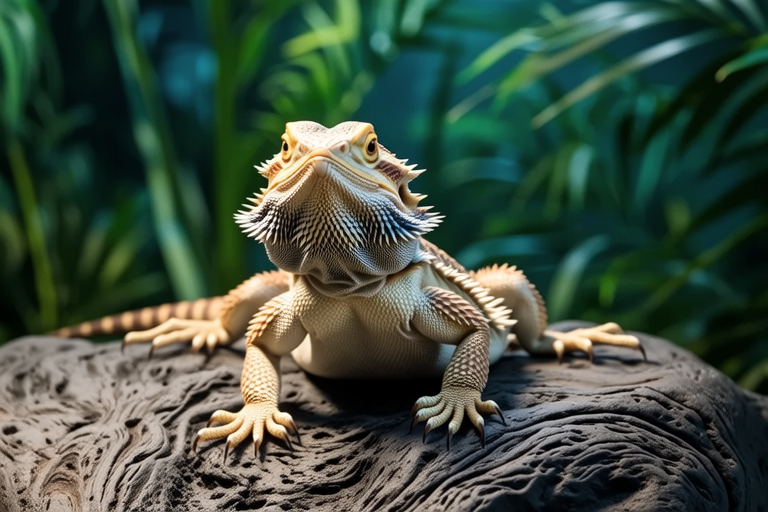
The Ultimate Bearded Dragon Training Hacks You Need to Know
Welcome to the world of bearded dragon training! These fascinating reptiles, native to Australia, are known for their unique behaviors and captivating personalities. Whether you’re a novice or an experienced reptile owner, this guide will provide you with practical, actionable tips to help you build a strong bond with your bearded dragon. From basic handling techniques to addressing common behavioral issues, we’ve got you covered.
Understanding Your Bearded Dragon
Before diving into training, it’s essential to understand your bearded dragon’s natural behaviors. Bearded dragons are crepuscular, meaning they are most active during dawn and dusk. They are also territorial and can exhibit aggressive behavior if they feel threatened. Scientific studies show that bearded dragons rely heavily on visual cues, making them highly responsive to visual stimuli during training sessions.
Basic Handling Techniques
Building Trust Through Gentle Handling
The foundation of any successful training program is trust. Start by allowing your bearded dragon to acclimate to its new environment. Place your hand inside the enclosure and let your bearded dragon approach you at its own pace. Once your bearded dragon shows interest in your hand, gently lift it from under its belly. Support its body firmly but gently to avoid stress. Be patient; some bearded dragons may take several weeks to become comfortable with handling.
Safe Lifting and Carrying
When lifting your bearded dragon, always support its entire body, including its legs and tail. Never lift your bearded dragon by its tail, as this can cause injury. Instead, place one hand under its belly and the other under its hindquarters. This method ensures that your bearded dragon feels secure and stable. Regular handling will help your bearded dragon become accustomed to being picked up, reducing stress during veterinary visits or routine care.
Encouraging Positive Behaviors
Reward-Based Training
Positive reinforcement is key to encouraging desirable behaviors. Use small, nutritious treats like mealworms or crickets to reward your bearded dragon when it responds correctly to commands or interacts positively. Scientific research indicates that bearded dragons have a keen sense of smell, making food a powerful motivator. However, avoid overfeeding during training sessions to prevent obesity.
Training Commands
You can train your bearded dragon to respond to simple commands such as ‘come’ or ‘stay.’ Begin by associating a specific sound or gesture with the treat. For example, you might say ‘come’ each time you offer a treat. Over time, your bearded dragon will learn to associate the command with the action of coming towards you. Consistency is crucial; always use the same command and reward system.
Addressing Common Behavioral Issues
Aggression and Territoriality
Bearded dragons can become territorial, especially in their primary enclosure. If your bearded dragon displays aggression, first ensure that its habitat meets all its needs, including proper temperature gradients, hiding spots, and UVB lighting. If aggression persists, consult a veterinarian to rule out underlying health issues. In cases where aggression is due to territoriality, introduce new stimuli gradually and consistently to reduce stress.
Stress and Anxiety
Signs of stress in bearded dragons include darkening of the beard, puffing up, and rapid breathing. To reduce stress, maintain a consistent daily routine, providing regular feeding times and handling sessions. Creating a calm, quiet environment can also help. Avoid sudden movements or loud noises near your bearded dragon, as these can trigger stress responses.
Enhancing Interaction Through Environmental Enrichment
Creating a Stimulating Habitat
Your bearded dragon’s habitat plays a significant role in its overall well-being and interaction. Provide a variety of climbing structures, such as branches and rocks, to encourage natural behaviors. Ensure that these structures are stable and safe. Additionally, incorporate hiding spots and tunnels to mimic the bearded dragon’s natural environment. This setup not only enriches their environment but also encourages exploration and physical activity.
Interactive Playtime
Engage your bearded dragon with interactive playtime. You can create a shallow water dish for swimming or add a shallow sandbox for digging. Both activities are beneficial for mental stimulation and physical exercise. Always supervise playtime to ensure safety. Interactive toys, such as puzzle feeders, can also challenge your bearded dragon mentally and teach problem-solving skills.
Scientific Insights Supporting Training Methods
Research has shown that bearded dragons have individual personalities and preferences. Some may be more adventurous, while others are more reserved. Understanding your bearded dragon’s personality will help tailor your training methods to its unique needs. Additionally, bearded dragons are social creatures and can form bonds with their human caregivers. By providing consistent, positive interactions, you can strengthen this bond and make training sessions more effective.
Conclusion
Crafting a strong relationship with your bearded dragon requires patience, understanding, and consistency. By implementing these training hacks, you’ll not only enhance your bearded dragon’s quality of life but also deepen your connection with this fascinating reptile. Remember, every bearded dragon is unique, so adapt these tips to suit your pet’s individual needs. With time and effort, you’ll find yourself enjoying countless rewarding moments with your beloved bearded dragon.
