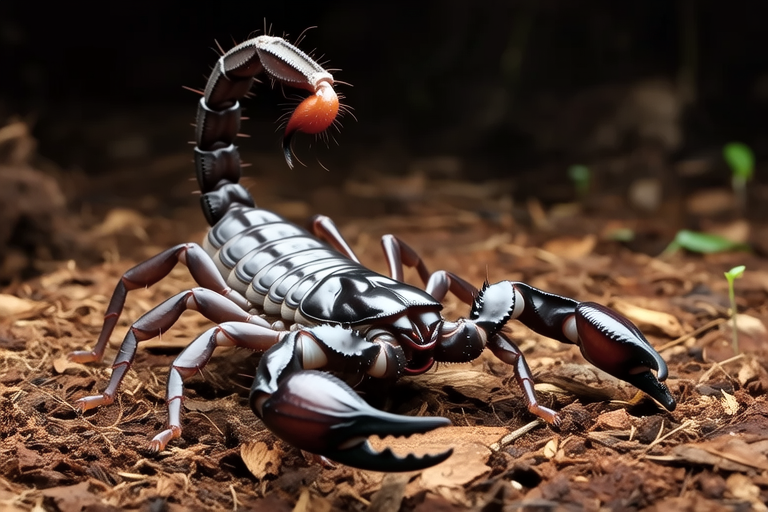
Comprehensive Care Guide for Heterometrus Spinifer
Heterometrus spinifer, commonly known as the Asian Forest Scorpion, is a fascinating arachnid that can make an intriguing pet for both beginners and experienced owners. This guide provides detailed information on setting up the perfect habitat, dietary needs, handling and safety tips, health concerns, legal considerations, and enclosure specifics. It aims to equip you with all the necessary knowledge to ensure your scorpion’s well-being.
Habitat Setup
Creating a suitable environment for your Heterometrus spinifer involves replicating its natural habitat as closely as possible. The enclosure should mimic the humid, warm conditions found in tropical forests.
- Temperature: Maintain temperatures between 78°F and 85°F (25°C to 29°C). Use a thermometer to monitor these levels accurately.
- Humidity: Keep humidity at around 70% to 80%. Utilize a hygrometer to measure this accurately. Mist the enclosure daily or install a misting system if needed.
- Enclosure Size: A minimum of 10 gallons (38 liters) is recommended for one adult scorpion. Ensure there’s ample space for burrowing and climbing.
- Substrate: Use coconut fiber or peat moss for substrate, ensuring it retains moisture without becoming soggy. Avoid using soil or sand, which can be harmful.
- Hiding Spots: Provide multiple hiding spots such as cork bark, half logs, or plastic plants to allow your scorpion to feel secure.
- Lights: No special lighting is required; avoid bright lights as they may stress the scorpion.
Dietary Needs
Your Heterometrus spinifer will thrive on a varied diet rich in protein. Feed them appropriately sized insects like crickets, dubia roaches, mealworms, and waxworms.
- Feeding Frequency: Feed juveniles every 2-3 days and adults once weekly. Offer prey items no larger than the width of the scorpion’s body.
- Dust Food: Occasionally dust food with calcium powder to prevent deficiencies.
- Water Source: Provide a shallow water dish large enough for the scorpion to drink from but small enough to prevent drowning.
Handling and Safety Tips
While Heterometrus spinifer can be handled, it requires caution due to its venomous nature.
- Wear Gloves: Always handle your scorpion while wearing thick gloves to protect yourself from stings.
- Avoid Direct Contact: Never handle the scorpion directly unless absolutely necessary.
- Keep Calm: Approach your scorpion calmly and slowly to reduce stress.
Health Concerns
Regular monitoring of your scorpion’s health is crucial. Look out for signs of illness such as lethargy, loss of appetite, or unusual behavior.
- Common Health Issues: Respiratory infections, mite infestations, and improper shedding are common issues.
- Veterinary Care: Consult a veterinarian specializing in exotic animals for any health concerns.
Legal Considerations
Before acquiring a Heterometrus spinifer, research local laws regarding exotic pet ownership. Some regions may have restrictions or require permits.
Behavior Insights
Understanding your scorpion’s behavior helps foster a positive relationship. They are nocturnal and solitary, spending most of their time hiding during the day.
Choosing the Right Enclosure Size and Materials
Selecting the appropriate enclosure ensures your scorpion has enough space to move around comfortably. Opt for glass or acrylic tanks with secure lids to prevent escapes.
Advanced Tips
For experienced owners, consider implementing enrichment activities like offering different types of hiding spots or introducing new substrates occasionally.
This comprehensive guide equips you with all the necessary knowledge to provide optimal care for your Heterometrus spinifer. By following these guidelines, you’ll ensure your scorpion leads a healthy and happy life.
