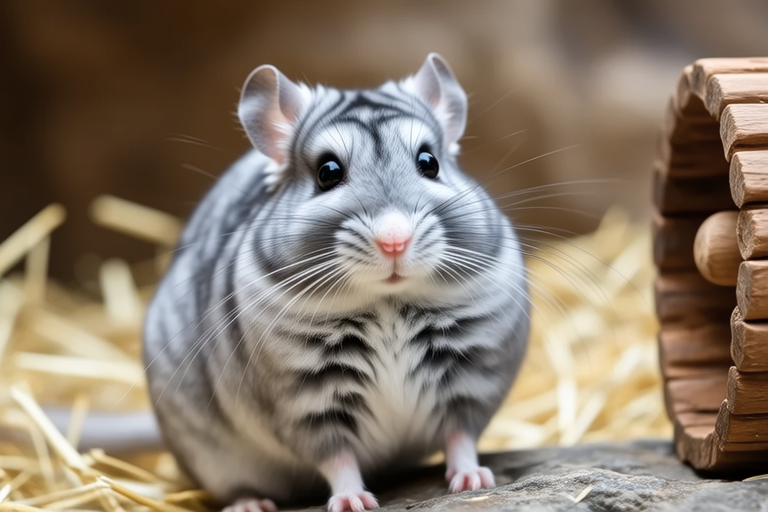
10 Adorable Facts About Chinchillas You Need to Know
Fact 1: The Fluffy Fur Factory
Chinchillas have some of the densest fur in the animal kingdom, with approximately 20,000 hairs per square inch. This luxurious coat serves as insulation against the cold in their native Andean highlands, where temperatures can drop dramatically at night. Their fur is so thick that it acts like a barrier against parasites, reducing the need for grooming. However, this also means that chinchillas require special care to avoid overheating, especially in warmer climates.
Fact 2: Dust Baths, Not Water
Unlike most mammals, chinchillas clean themselves by taking dust baths rather than water baths. They roll around in fine volcanic ash or specially formulated dust, which helps them remove dirt and excess oils from their thick fur. This behavior is crucial for maintaining the health of their coat and preventing skin issues. It’s important for owners to provide a dust bath area to ensure their chinchilla stays clean and healthy.
Fact 3: Night Owls
Chinchillas are crepuscular, meaning they are most active during dawn and dusk. In the wild, this schedule allows them to be active while avoiding the peak heat of the day and the cold of night. As pets, chinchillas tend to follow a similar pattern, making them ideal companions for people who enjoy late-night activities or early morning quiet time. Understanding their natural rhythm can help owners adjust their routines for better bonding.
Fact 4: Social Creatures
Chinchillas are highly social animals that thrive in groups. In the wild, they live in colonies that can number in the hundreds. These colonies offer protection from predators and allow for social interaction. As pets, chinchillas can benefit from having a companion, though it’s essential to introduce them carefully to prevent aggression. Providing ample space and toys can also help satisfy their social needs when kept alone.
Fact 5: Jumping Champions
With powerful hind legs, chinchillas are incredible jumpers, capable of leaping up to six feet in a single bound. This impressive ability helps them navigate their rocky, mountainous habitat and escape from predators. In captivity, providing multi-level habitats with platforms and tunnels can encourage exercise and mimic their natural environment. Watching your chinchilla leap from one perch to another can be both entertaining and a sign of good health.
Fact 6: Dental Giants
Chinchillas have continuously growing teeth, much like rodents. This adaptation ensures that their teeth do not wear down too quickly, allowing them to chew through tough vegetation. However, this also means they need a diet rich in fibrous foods and opportunities to gnaw on safe materials like wooden chews. Without proper dental care, chinchillas can develop overgrown teeth, leading to serious health issues.
Fact 7: Silent Communicators
Despite their playful nature, chinchillas are relatively quiet pets. They rarely vocalize, making them perfect for apartment living. When they do make sounds, it’s usually soft chirps or squeaks, often in response to stress or excitement. Observing your chinchilla’s body language, such as tail flicks or flattened ears, can give you insight into its emotional state without needing to hear loud noises.
Fact 8: Temperature Sensitivity
Chinchillas are sensitive to temperature changes, particularly heat. Their dense fur makes them prone to overheating, especially in environments above 80 degrees Fahrenheit (27 degrees Celsius). To keep your chinchilla comfortable, maintain a cool, well-ventilated living space and provide plenty of fresh water. Signs of overheating include lethargy, panting, or drooling, all of which require immediate attention.
Fact 9: Nutritional Needs
A balanced diet is crucial for a healthy chinchilla. Their diet should primarily consist of hay, supplemented with commercial pellets specifically designed for chinchillas. Freshwater should always be available, and small amounts of fresh vegetables can be offered occasionally. Avoid sugary or starchy treats, as these can lead to obesity and other health problems. Understanding and meeting their dietary needs is key to keeping your chinchilla happy and healthy.
Fact 10: Lifespan and Longevity
Chinchillas can live up to 20 years if properly cared for, making them a long-term commitment for any owner. Their longevity is a testament to their hardiness and adaptability. However, this also means that potential owners should be prepared for a significant investment of time and resources. Regular veterinary check-ups, a stimulating environment, and a loving home are essential to ensuring a long and fulfilling life for your chinchilla.
Call to Action
Chinchillas are fascinating creatures with unique needs and behaviors. If you’re interested in adopting a chinchilla, take the time to research local shelters and rescue organizations. Many chinchillas are looking for forever homes, and with the right care and attention, they can be wonderful companions. Whether you’re a seasoned pet owner or new to the world of exotic pets, chinchillas offer a rewarding experience for those willing to commit to their care.
