Transforming Your Backyard into the Perfect Habitat for Red-Eared Sliders
Welcome to this comprehensive guide on creating the ideal backyard habitat for red-eared sliders. This popular semi-aquatic turtle species requires specific environmental conditions to thrive. By following these guidelines, you can provide a safe and nurturing environment that mimics their natural habitats.
Understanding Red-Eared Slider Needs
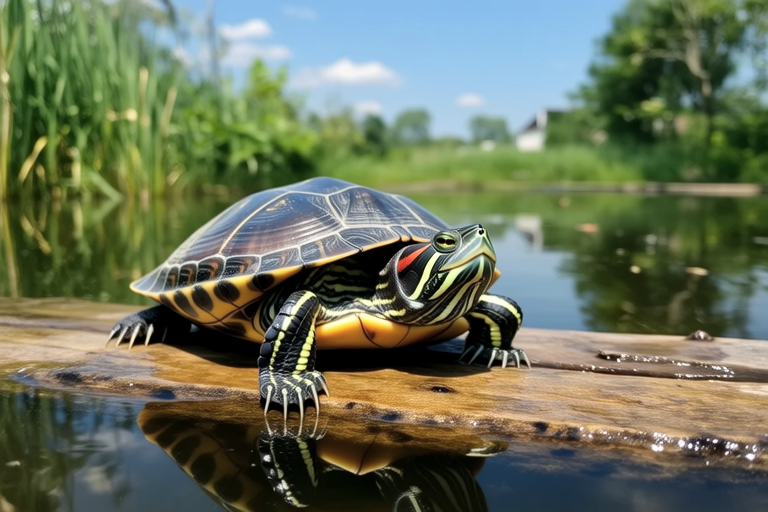
Red-eared sliders (Trachemys scripta elegans) are native to the central United States but have been introduced worldwide. They are named for the distinctive red stripe behind each eye and their preference for basking in the sun. These turtles need ample space, both in water and out, to move around comfortably. In the wild, they inhabit slow-moving rivers, streams, and ponds.
Detailed Steps to Set Up a Suitable Outdoor Pond
Creating a pond involves several considerations:
- Pond Size: A minimum of 90 square feet of water surface area per adult turtle is recommended. Ensure the pond is deep enough to prevent freezing during winter and shallow enough for easy access to land.
- Location: Choose a spot that receives at least six hours of direct sunlight daily. Avoid areas prone to flooding or strong winds.
- Construction: Use durable materials such as concrete, rubber, or flexible liners. Ensure proper slope and drainage to prevent water stagnation.
- Shading: Install a shade structure or plant trees to provide partial cover. This helps regulate water temperature and offers protection from predators.
Necessary Elements for a Healthy Environment
Several components are essential for maintaining optimal living conditions:
Filtration Systems
Invest in a reliable filtration system to maintain clean water. Mechanical filters remove debris, biological filters break down harmful chemicals, and chemical filters neutralize toxins. Regular cleaning and maintenance ensure efficient operation.
Basking Areas
Provide multiple platforms where turtles can dry off and absorb UVB rays. These areas should be easily accessible from the water and elevated enough to avoid submersion during heavy rain.
Water Quality Maintenance
Monitor pH levels, ammonia, nitrite, and nitrate concentrations regularly. Perform partial water changes weekly to keep the environment fresh. Use water dechlorinators before adding new water.
Plant Choices Beneficial for Sliders and Their Ecosystem
Select plants that offer food, shelter, and oxygenation:
- Aquatic Plants: Water hyacinth, duckweed, and water lettuce provide hiding spots and breeding grounds for insects. They also help oxygenate the water.
- Emergent Plants: Cattails, arrowheads, and pickerelweed offer additional cover and nesting sites.
- Terrestrial Plants: Grasses, shrubs, and small trees surrounding the pond edge provide shade and resting places.
Safety Precautions to Protect Sliders from Predators and Harsh Weather
Turtles face threats from various animals and environmental factors:
- Predator Protection: Fences, netting, and motion-activated lights deter raccoons, herons, and other predators.
- Weather Protection: Provide shelters within the pond and on land to shield turtles from extreme temperatures and precipitation.
Tips for Feeding and General Care
Offer a balanced diet rich in protein, vitamins, and minerals:
- Protein Sources: Commercial pellets, earthworms, crickets, and mealworms.
- Vegetarian Options: Leafy greens, squash, and bell peppers.
- Supplements: Calcium and vitamin D3 supplements support bone and shell health.
Feed young turtles daily and adults every two to three days. Remove uneaten food promptly to maintain water quality.
Monitoring Health and Seeking Veterinary Assistance When Needed
Regular health checks help identify potential issues early:
- Shell Examination: Look for cracks, soft spots, or discoloration.
- Eye Inspection: Clear eyes indicate good health; discharge may signal infection.
- Behavioral Changes: Lethargy, loss of appetite, or difficulty moving could signify illness.
If you notice any concerning signs, consult a veterinarian specializing in reptiles. Early intervention increases the chances of successful treatment.
In conclusion, transforming your backyard into a thriving habitat for red-eared sliders requires careful planning and ongoing maintenance. By understanding their unique needs and providing appropriate care, you can ensure these fascinating creatures live long, healthy lives. Remember, creating a harmonious environment benefits not only the turtles but also enhances your own enjoyment of nature.
