Breed Spotlight: Why Persian Cats Continue to Capture Hearts Worldwide
For centuries, Persian cats have been cherished companions and symbols of elegance and grace. Their luxurious coats, serene dispositions, and striking appearance have made them one of the most popular cat breeds worldwide. This comprehensive article delves into the history and origin of Persian cats, their distinctive physical traits, grooming needs, temperament, and common health issues. We will also explore why they remain popular globally, their role in families, and notable cultural references. Additionally, we’ll provide practical advice for potential owners.
The History and Origin of Persian Cats
The origins of Persian cats can be traced back to ancient Persia, now known as Iran. They were initially brought to Europe by Italian traders in the 16th century. Over time, these cats were selectively bred to enhance their long, flowing coats and sweet faces. The breed’s name was later changed to Persian when they were introduced to England, where they became highly fashionable among the aristocracy.
Persian cats have been featured in various artworks throughout history, including paintings by famous artists such as Sir Edwin Landseer. Their presence in art and literature has contributed to their enduring popularity. Today, Persian cats are recognized by major cat registries, including the Cat Fanciers’ Association (CFA) and The International Cat Association (TICA).
Distinctive Physical Traits
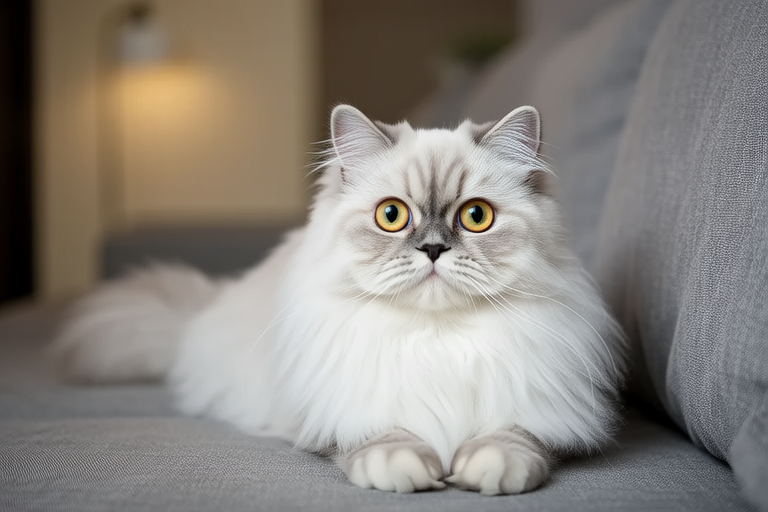
Persian cats are renowned for their distinct physical features. They possess a round head with large, expressive eyes and small, rounded ears. Their short, broad noses give them a sweet, almost human-like expression. One of the most notable characteristics of Persian cats is their thick, luxurious coat, which can come in a wide range of colors and patterns. This coat requires regular grooming to prevent matting and tangling.
Another distinguishing feature of Persian cats is their compact, muscular bodies. They are generally medium to large-sized cats with a sturdy build. Despite their robust appearance, they are relatively low-energy cats, making them ideal for indoor living.
Grooming Needs
Due to their long, dense coats, Persian cats require frequent grooming to maintain their appearance and comfort. Daily brushing is recommended to prevent matting and remove loose hair. It is essential to use a slicker brush or a comb designed for long-haired cats. Regular grooming also helps reduce shedding and keeps their skin healthy.
In addition to coat care, it is important to trim their nails regularly and clean their ears gently. Persian cats are prone to dental issues, so providing dental treats or brushing their teeth can help maintain oral hygiene. Bathing should be done occasionally, especially if the cat has been outdoors or has developed a foul odor. However, over-bathing can strip their coat of natural oils, so it should be done sparingly.
Temperament
Persian cats are known for their calm, gentle, and affectionate nature. They are often described as being more laid-back than other breeds, making them excellent companions for families and individuals seeking a peaceful, serene atmosphere. Persian cats enjoy lounging around the house and are generally content with their own company, but they still appreciate interaction with their owners.
While they may not be as playful or active as some other breeds, Persian cats still enjoy interactive toys and games. They are intelligent and can learn simple commands or tricks with positive reinforcement. Their quiet demeanor makes them ideal for households where peace and tranquility are valued.
Common Health Issues
Despite their many endearing qualities, Persian cats are susceptible to certain health issues. One of the most common problems is polycystic kidney disease (PKD), an inherited condition that affects the kidneys. Regular veterinary check-ups and genetic testing can help manage this condition.
Persian cats are also prone to respiratory issues due to their flattened faces. This can lead to breathing difficulties, especially during hot weather or periods of high activity. Owners should ensure their cats have access to fresh air and cool environments to minimize discomfort.
Eye infections and tear staining are also prevalent in Persian cats. Regular cleaning of their eyes and wiping away excess tears can help prevent these issues. Providing a balanced diet rich in omega-3 fatty acids can support eye health and overall well-being.
Why They Remain Popular Globally
Persian cats continue to capture hearts worldwide due to their unique combination of beauty, temperament, and adaptability. Their striking appearance makes them desirable pets for those who appreciate aesthetics. Their gentle nature and compatibility with various household settings make them suitable for families, singles, and seniors alike.
Cultural references, such as their portrayal in art, literature, and media, have further contributed to their global appeal. Persian cats have appeared in movies, TV shows, and advertisements, reinforcing their status as iconic feline companions. Their presence in pop culture has helped solidify their reputation as elegant, sophisticated pets.
Their Role in Families
Persian cats thrive in family environments where they can receive attention and affection without overwhelming demands. They are generally patient and tolerant, making them excellent companions for children. However, it is essential to teach children how to handle and interact with the cat gently to avoid accidental injuries.
These cats are often referred to as “lap cats” due to their preference for sitting on their owner’s laps or nearby. They enjoy being part of family activities and can become attached to their human companions. Providing a comfortable, quiet space for your Persian cat to relax is crucial for their happiness and well-being.
Notable Cultural References
Persian cats have made appearances in various forms of media, from classic literature to modern films. In “Alice’s Adventures in Wonderland,” the Cheshire Cat is often depicted with a Persian-like appearance. This association has further cemented the breed’s image as both whimsical and mysterious.
In more recent times, Persian cats have been featured in commercials, fashion campaigns, and social media. Their regal appearance and dignified demeanor make them ideal subjects for photography and advertising. The breed’s continued presence in popular culture ensures its enduring popularity among cat enthusiasts.
Practical Advice for Potential Owners
If you’re considering adding a Persian cat to your family, there are several factors to keep in mind. First, ensure you have the time and resources to meet their grooming needs. While daily brushing is necessary, it can also be a bonding experience between you and your cat. Consider investing in quality grooming tools and learning proper techniques to maintain their coat.
Second, be prepared for potential health issues. Regular veterinary check-ups, genetic testing, and a balanced diet are essential for keeping your Persian cat healthy. Consult with your veterinarian about preventive measures and treatment options for common conditions.
Lastly, provide a safe, comfortable environment for your cat. Persian cats are indoor cats due to their susceptibility to outdoor hazards. Ensure your home is secure, free from toxins, and equipped with appropriate litter boxes, scratching posts, and resting areas. By creating a nurturing environment, you can help your Persian cat thrive and enjoy a long, happy life.
In conclusion, Persian cats have captured hearts worldwide for their striking appearance, gentle temperament, and adaptability. With proper care and attention, they can become beloved members of any family. Whether you’re a seasoned cat owner or considering adopting a Persian for the first time, understanding their unique needs and characteristics can help ensure a rewarding and fulfilling relationship.
