Aquatic Wonders: Discovering the Fascinating World of Red-Eared Sliders
Welcome to the enchanting world of red-eared sliders, one of the most popular semi-aquatic turtles found across the globe. Known scientifically as Trachemys scripta elegans, these creatures have captivated the hearts of many with their unique charm and adaptability. This article delves into the fascinating aspects of red-eared sliders, exploring their natural habitat, distinguishing features, behavior, diet, and lifespan. We will also discuss the responsibilities and considerations for those interested in keeping them as pets, and conclude with insights into conservation efforts and responsible pet ownership.
Natural Habitat and Distinguishing Features
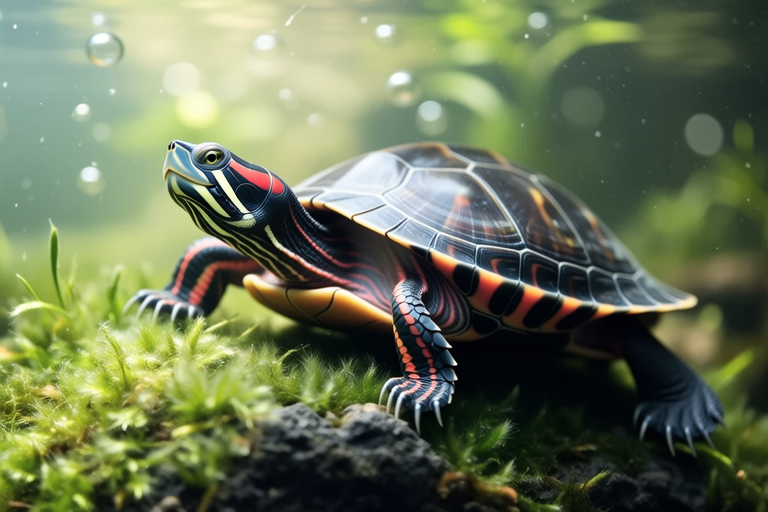
Red-eared sliders are native to the central United States, specifically the Mississippi River Valley. They thrive in freshwater environments such as ponds, lakes, and slow-moving rivers. These habitats are characterized by abundant vegetation, basking spots, and clear water, providing ample opportunities for these turtles to engage in their natural behaviors. Their name is derived from the distinctive red stripe behind each eye, which serves as a key identifying feature. Another notable characteristic is their smooth, olive-green carapace (upper shell), often adorned with yellow stripes or markings that serve as camouflage in their natural environment. The plastron (lower shell) is typically yellow with dark stains or blotches, further enhancing their appearance.
Behavior, Diet, and Lifespan
Red-eared sliders are diurnal creatures, meaning they are most active during the day. They spend much of their time basking in the sun to regulate their body temperature, a process crucial for their metabolism and overall health. When not basking, they are usually found swimming or searching for food. These omnivorous turtles have a varied diet consisting of both plant matter and animal protein. In the wild, their diet includes aquatic plants, algae, insects, small fish, and crustaceans. As they age, their dietary preferences shift, with younger turtles consuming more protein-rich foods and older turtles favoring a more herbivorous diet.
The lifespan of red-eared sliders can be quite impressive, with many living up to 30 years or more under optimal conditions. Proper care, including a balanced diet, adequate space, and regular veterinary check-ups, significantly contributes to their longevity. Captive red-eared sliders often outlive their wild counterparts due to the protection from predators and controlled environmental factors.
Responsibilities and Considerations for Pet Owners
If you’re considering adopting a red-eared slider as a pet, it’s essential to understand the responsibilities involved. First and foremost, providing an appropriate habitat is paramount. A well-equipped tank or pond is necessary to ensure the turtle’s comfort and well-being. The enclosure should include both aquatic and dry areas, allowing the turtle to swim and bask. Water quality is crucial, requiring regular filtration and partial water changes to maintain cleanliness. The basking area should be equipped with a UVB light source to facilitate calcium absorption and prevent metabolic bone disease.
Feeding your red-eared slider properly is another critical aspect of responsible pet ownership. A balanced diet should consist of commercial turtle pellets, fresh vegetables like leafy greens and carrots, and occasional treats of protein sources such as earthworms or freeze-dried shrimp. It’s important to avoid overfeeding, as obesity can lead to health issues. Regular monitoring of your turtle’s weight and overall condition can help prevent these problems.
Healthcare needs should not be overlooked. Regular visits to a veterinarian specializing in reptiles can help identify potential health issues early. Common ailments include respiratory infections, shell rot, and vitamin deficiencies. Preventative measures, such as maintaining proper water quality and ensuring adequate exposure to UVB light, can help minimize the risk of these conditions.
Conservation Efforts and Responsible Pet Ownership
Despite their popularity as pets, red-eared sliders face challenges in their natural habitats. Habitat destruction, pollution, and climate change pose significant threats to their survival. Conservation efforts focus on protecting their native ecosystems and promoting sustainable practices that reduce human impact on their environment. Organizations and government agencies work together to implement policies that safeguard these turtles and their habitats.
Responsible pet ownership plays a crucial role in supporting conservation efforts. Releasing pet red-eared sliders into the wild can disrupt local ecosystems and introduce diseases to native populations. Instead, pet owners should consider adopting from reputable breeders or rescue organizations, ensuring that their pets come from ethical sources. Additionally, educating oneself about the specific needs and behaviors of these turtles can contribute to their well-being and longevity.
In conclusion, red-eared sliders are remarkable creatures that offer a window into the fascinating world of aquatic reptiles. By understanding their natural habitat, behavior, diet, and healthcare needs, we can better appreciate and care for these animals. Whether as pets or subjects of admiration in their natural habitats, red-eared sliders continue to captivate and inspire. Let us strive to protect their environments and promote responsible pet ownership to ensure their continued existence and well-being for generations to come.
