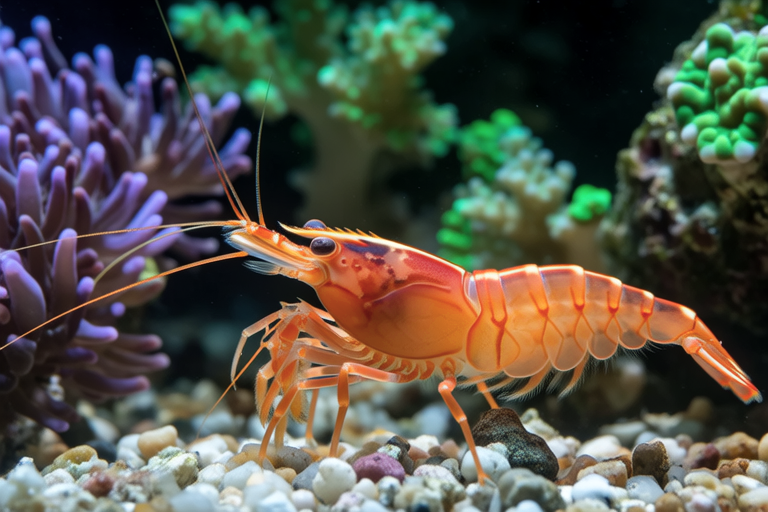
Top Tips for Beginner Aquarists: Raising Healthy Coral Shrimp
Welcome to the fascinating world of coral shrimp care! If you’re new to the hobby of keeping marine creatures, coral shrimp can be an excellent choice for your first saltwater tank inhabitants. These delightful crustaceans not only add a splash of color to your aquarium but also contribute to maintaining its cleanliness by scavenging for leftover food and algae. This article provides you with top tips to set up a suitable tank environment, select appropriate water parameters, understand feeding habits, recognize common diseases, and implement preventive measures. By following these guidelines, you’ll be well on your way to raising healthy coral shrimp and fostering a thriving aquarium ecosystem.
Setting Up the Ideal Tank Environment
The first step in caring for coral shrimp is creating a suitable tank environment that mimics their natural habitat. Coral shrimp thrive in tropical waters, so it’s essential to maintain a stable temperature between 75°F and 82°F (24°C to 28°C). To achieve this, invest in a reliable heater and thermometer. Ensure the heater is fully submerged and positioned away from any strong water currents or air pumps to prevent overheating or sudden temperature fluctuations.
Adequate filtration is crucial for maintaining water quality and providing oxygen-rich environments for your shrimp. Choose a filter that matches your tank size and ensures proper circulation without causing excessive water movement. A combination of mechanical, chemical, and biological filtration methods will help keep your water clean and clear. Mechanical filtration removes large debris, chemical filtration absorbs harmful substances, and biological filtration supports beneficial bacteria that break down waste products.
Providing hiding spots and caves within your aquarium will make your coral shrimp feel secure and reduce stress levels. Incorporate live rock, which not only offers shelter but also contributes to biological filtration by housing beneficial microorganisms. Live sand can further enhance the tank’s ecosystem by promoting the growth of beneficial bacteria and providing a substrate for small organisms that your shrimp can feed on.
Selecting Appropriate Water Parameters
To ensure the health and longevity of your coral shrimp, it’s vital to maintain optimal water conditions. Regularly test the water parameters using reliable test kits to monitor ammonia, nitrite, nitrate, pH, alkalinity, calcium, and magnesium levels. Aim for the following ranges:
- Ammonia: 0 ppm
- Nitrite: 0 ppm
- Nitrate: Below 20 ppm
- pH: 8.1 – 8.4
- Alkalinity: 8 – 12 dKH
- Calcium: 350 – 450 ppm
- Magnesium: 1250 – 1350 ppm
Keep in mind that these values may vary slightly depending on the specific species of coral shrimp you have. Always research the particular needs of your shrimp before making adjustments to your tank’s water chemistry.
Understanding Feeding Habits
Coral shrimp are omnivorous scavengers, meaning they eat both plant and animal matter found in their environment. In the wild, they primarily consume algae, detritus, and tiny invertebrates. In captivity, you can provide them with a variety of foods to ensure they receive all necessary nutrients. Suitable options include:
- Flake Foods: High-quality flakes designed for marine fish or invertebrates.
- Wet Foods: Frozen or freeze-dried brine shrimp, mysis shrimp, and bloodworms.
- Algae Wafers: Specially formulated wafers containing spirulina and other nutritious ingredients.
- Vegetable Matter: Blanched vegetables like zucchini, spinach, or nori.
Feed your coral shrimp small amounts multiple times per day rather than one large meal. This approach mimics their natural feeding behavior and helps prevent overfeeding, which can lead to poor water quality and obesity. Monitor their eating habits closely, as overfed shrimp may become sluggish and less active.
Common Diseases and Preventive Measures
Despite your best efforts, coral shrimp may still fall ill due to various factors such as poor water quality, improper diet, or physical injuries. Here are some common diseases to watch out for and preventive measures to take:
Parasitic Infestations
Parasites can cause external symptoms such as white spots, patches of discolored tissue, or excessive scratching against surfaces. To prevent parasitic infestations, quarantine new arrivals for at least two weeks before introducing them into your main tank. Quarantine tanks should be equipped with heaters, filters, and decorations similar to those in your primary aquarium. Regularly inspect your shrimp for signs of distress, and treat any infected individuals promptly using appropriate medications.
Bacterial Infections
Bacteria can enter through open wounds or weakened immune systems caused by stress or malnutrition. Symptoms include redness, swelling, or cloudy eyes. Maintain excellent water quality through regular partial water changes (about 10% weekly) and avoid overcrowding your tank. Introduce beneficial bacteria early in the cycling process using live rock or commercial bacterial additives.
Fungal Infections
Fungi often develop on dead or decaying tissue, leading to fluffy growths on affected areas. Keep the tank clean by removing uneaten food and dead organisms promptly. Enhance water circulation around the tank to discourage fungal growth.
Beginner-Friendly Techniques for Maintaining Health
As a beginner aquarist, there are several simple yet effective techniques you can employ to maintain the health of your coral shrimp and promote a thriving aquarium ecosystem:
Regular Water Changes
Performing regular water changes is one of the most important aspects of aquarium maintenance. It helps remove accumulated toxins, replenish essential minerals, and stabilize water parameters. Aim for 10-20% weekly water changes using a high-quality dechlorinator. When changing water, gently siphon out any visible debris while avoiding disturbing the live rock or substrate.
Monitoring Water Chemistry
Invest in reliable test kits and check key water parameters regularly. Adjustments might be necessary based on test results, especially when dealing with fluctuating conditions or newly introduced livestock. Always acclimate new additions gradually to minimize shock.
Proper Lighting
Appropriate lighting is crucial for maintaining the health of corals and other photosynthetic organisms in your tank. Use LED lights specifically designed for reef aquariums, ensuring they emit the correct spectrum of light (around 10,000K) and duration (9-12 hours daily). Avoid overly intense or long periods of illumination, as this could stress sensitive shrimp.
Stress Reduction
Minimize stressors in your aquarium by maintaining consistent environmental conditions and avoiding sudden changes. Keep noise levels low, avoid frequent rearrangements of decorations, and limit handling your shrimp unless absolutely necessary.
Conclusion
Raising healthy coral shrimp requires dedication, patience, and attention to detail. By setting up a suitable tank environment, selecting appropriate water parameters, understanding feeding habits, recognizing common diseases, and implementing preventive measures, you’ll create an ideal home for these beautiful creatures. Remember to prioritize beginner-friendly techniques for maintaining health and fostering a thriving aquarium ecosystem. With time and practice, you’ll become more confident in caring for your coral shrimp and enjoy watching them thrive in their new aquatic home.
