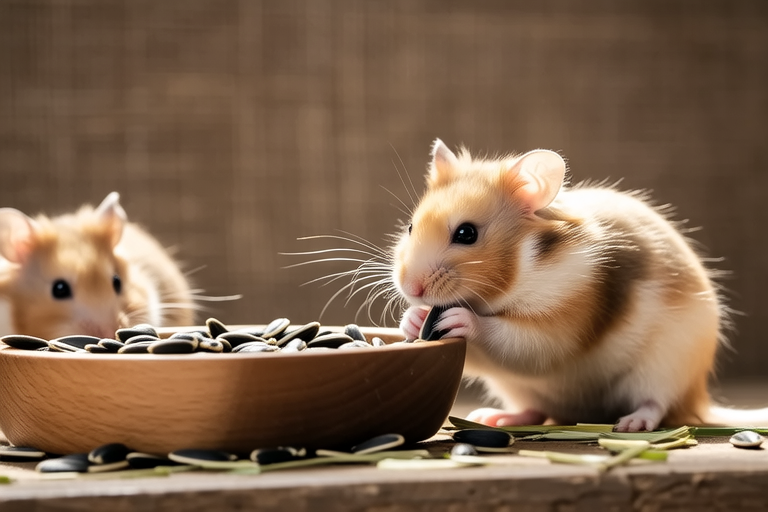
Adorable Golden Hamsters: Fun Facts and Tips for First-Time Owners
Welcome to the wonderful world of golden hamsters! These small, furry creatures are not only adorable but also fascinating. With their soft, golden fur and curious personalities, they make delightful pets for both children and adults. Whether you’re a seasoned pet owner or a first-timer, this guide will provide you with all the information you need to care for your golden hamster properly.
The Fascinating World of Golden Hamsters
Golden hamsters, also known as Syrian hamsters, are native to Syria and parts of Turkey. They were first discovered in the early 20th century and have since become one of the most popular pet rodents worldwide. Their size ranges from 5 to 7 inches long, making them relatively easy to handle and care for. Golden hamsters are nocturnal animals, meaning they are most active during the night. This behavior can be surprising to first-time owners who expect their hamsters to be active during the day.
One of the most endearing traits of golden hamsters is their curiosity. They are always exploring their surroundings, investigating new objects, and sniffing out treats. Their playful nature makes them fun companions, but it’s important to remember that they are solitary animals. Unlike some other types of hamsters, golden hamsters should live alone to avoid aggressive behavior towards cage mates.
Dietary Needs of Golden Hamsters
Proper nutrition is crucial for maintaining the health and well-being of your golden hamster. A balanced diet consists of high-quality commercial hamster food, fresh vegetables, and occasional treats. High-quality hamster food can be found at pet stores and is formulated specifically for hamsters, containing the necessary nutrients they need to thrive. It’s essential to choose a brand that is free from artificial colors, flavors, and preservatives.
Fresh vegetables such as carrots, broccoli, and spinach should be offered in moderation. Avoid feeding them foods that are harmful to hamsters, like citrus fruits, chocolate, and avocado. Treats should be given sparingly, as they can lead to obesity and other health issues if overfed. Small pieces of fruits, seeds, or pellets designed for hamsters can be given as occasional rewards.
Always ensure that your hamster has access to clean, fresh water. A water bottle with a sipper tube is preferable, as it keeps the water clean and prevents spills. Regularly check the water level and clean the bottle to prevent bacterial growth.
Habitat Requirements for Your Golden Hamster
Adequate housing is vital for your golden hamster’s comfort and happiness. The cage should be spacious enough to allow your hamster to move around freely. A minimum of 24 inches by 12 inches is recommended, but larger cages are always better. The cage should have solid flooring to prevent injuries caused by wire-bottomed cages. Additionally, providing multiple levels within the cage can encourage exploration and physical activity.
Bedding material is another essential component of your hamster’s habitat. Choose bedding made from recycled paper, wood pulp, or shredded paper. Avoid cedar and pine shavings, as they can irritate your hamster’s respiratory system. The bedding should be changed regularly to keep the cage clean and odor-free.
In addition to bedding, provide your hamster with toys and accessories to keep them mentally stimulated and physically active. Tunnels, wheels, chew toys, and hiding spots are excellent additions to any hamster’s environment. Rotate these items periodically to prevent boredom and encourage exploration.
Tips for First-Time Owners
Caring for a golden hamster can be an enjoyable experience, but it requires commitment and attention to detail. Here are some practical tips to help you get started:
- Handle your hamster gently: Hamsters have delicate bones, so always support their entire body when holding them. Allow them to get used to your scent and touch gradually. Picking them up from the top of their head and supporting their bottom is the safest way to lift them.
- Establish a routine: Consistency is key when caring for your hamster. Feed them at the same time each day and spend a few minutes interacting with them. This helps build trust and strengthens the bond between you and your pet.
- Monitor their health: Regularly check your hamster for signs of illness, such as lethargy, loss of appetite, or changes in behavior. If you notice anything unusual, consult a veterinarian specializing in small animals. Early intervention can prevent minor issues from becoming serious problems.
- Keep the cage clean: Cleaning the cage once a week is generally sufficient, but spot cleaning daily is recommended. Remove soiled bedding, uneaten food, and waste promptly to maintain hygiene and reduce odors. Use a mild, pet-safe cleaner to disinfect the cage and its accessories.
- Provide mental stimulation: Hamsters are intelligent animals that require mental stimulation to stay happy and healthy. Rotate toys, introduce new scents, and offer puzzles to challenge their minds. This can help prevent boredom and destructive behaviors.
Maintaining Your Golden Hamster’s Health
Regular veterinary check-ups are essential for ensuring your golden hamster’s overall health. While hamsters are generally hardy, they can be prone to certain health issues if not cared for properly. Some common conditions include dental problems, respiratory infections, and obesity. By following a proper diet, providing adequate exercise, and keeping the cage clean, you can minimize the risk of these issues.
Vaccinations are not typically required for hamsters, but spaying or neutering may be recommended by your veterinarian to prevent reproductive diseases and unwanted litters. Discuss these options with your vet to determine the best course of action for your pet.
Ensuring Your Hamster’s Happiness
Your golden hamster’s happiness is closely tied to their physical and emotional well-being. Providing a stimulating environment, offering a nutritious diet, and spending quality time with your pet are all important factors in maintaining their happiness. Observe your hamster’s behavior and respond to their needs accordingly. A happy hamster will be more active, curious, and interactive, making their presence even more rewarding.
Remember, each hamster is unique, and what works for one may not work for another. Pay attention to your pet’s individual preferences and adjust their care accordingly. With patience, love, and dedication, you can create a fulfilling life for your golden hamster and enjoy many years of companionship.
