Pets in Norway: A Unique Lifestyle
Introduction:
The Scandinavian country of Norway is renowned for its stunning landscapes, rich cultural heritage, and high standard of living. Pet ownership in Norway reflects these qualities, with a focus on health, welfare, and integration into family life. This article delves into the unique lifestyle of pets in Norway, exploring their dietary habits, exercise routines, social behaviors, and how the Norwegian climate influences pet care and activities. We will also discuss popular pet breeds, the role of pets in Norwegian culture, and provide valuable tips for pet owners considering adopting a pet from Norway or adapting their current pet care practices.
Dietary Habits of Pets in Norway
In Norway, pet owners place significant emphasis on providing a balanced and nutritious diet for their pets. High-quality commercial pet food is widely available, ensuring that pets receive all necessary nutrients. Many Norwegian pet owners also incorporate home-cooked meals into their pets’ diets, using locally sourced ingredients. The cold climate means that pets often require more calories to maintain their body temperature, so their diets are tailored accordingly. Omega-3 fatty acids, found in fish oil, are commonly included in pet food to support joint health and skin condition, which is particularly important for active dogs.
Exercise Routines and Outdoor Activities
The Norwegian landscape provides ample opportunities for outdoor exercise. Dogs, being the most common pets, are frequently taken on long walks through forests, along beaches, and up mountains. The rugged terrain challenges dogs physically and mentally, promoting overall fitness. In winter, many Norwegians take their dogs on skijoring, where the dog pulls a sled or a person on skis. This activity is not only fun but also helps maintain the dog’s muscle mass during the colder months when outdoor activities may be limited.
Cats, while generally less active than dogs, still benefit from regular exercise. Cat trees, interactive toys, and laser pointers are popular among Norwegian cat owners. In addition, some cats enjoy outdoor time in enclosed runs or on leashes, allowing them to explore safely.
Social Behaviors and Interaction
Pets in Norway are considered integral members of the family, often sharing sleeping spaces and participating in daily activities. Norwegian families encourage positive social interactions between pets and children, teaching kids responsibility and empathy. Pets are also used as therapy animals, visiting hospitals, nursing homes, and schools to bring comfort and joy to people in need.
The strong bond between humans and pets in Norway fosters a supportive community. Pet clubs, agility classes, and obedience training sessions are common, offering opportunities for pets and their owners to socialize and learn together.
Influence of the Norwegian Climate on Pet Care
The harsh winters and short summers in Norway necessitate careful planning for pet care. During winter, pets must have access to warm, dry shelter and clean water that does not freeze. Salt and chemicals used to melt ice can irritate paws, so pet owners frequently wash their pets’ feet after outdoor excursions. Protective booties are sometimes used for dogs during walks in snowy or icy conditions.
In summer, pets may suffer from heatstroke due to the sudden rise in temperatures. Owners ensure that pets have access to shade and fresh water, and limit outdoor activities during the hottest parts of the day. Additionally, pets are acclimatized to the changing seasons, with gradual adjustments in their exercise routines and diets.
Popular Pet Breeds in Norway
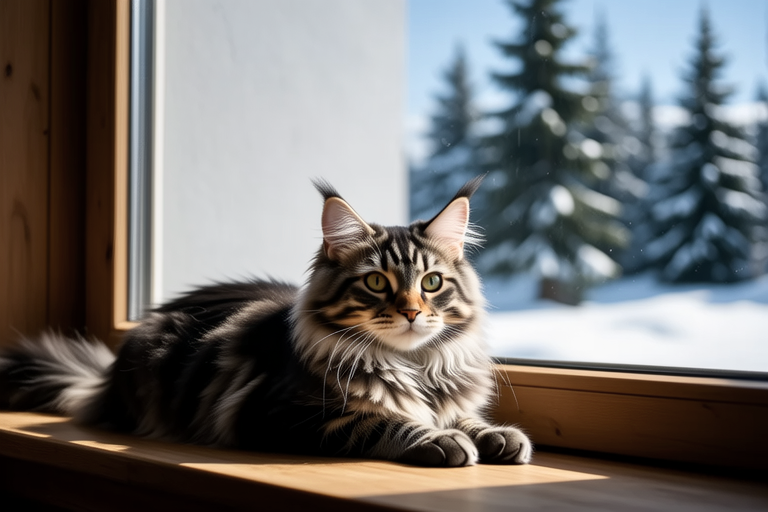
The most popular dog breeds in Norway include the Norwegian Elkhound, Norwegian Lundehund, and Norwegian Buhund. These breeds are well-suited to the Norwegian climate and terrain, possessing thick coats and high energy levels. Other popular breeds include the Labrador Retriever, Border Collie, and German Shepherd. Cats are also widely kept, with the Norwegian Forest Cat being a national treasure. This semi-longhaired breed is known for its adaptability and affectionate nature.
The Role of Pets in Norwegian Culture and Family Life
Pets hold a special place in Norwegian society, symbolizing companionship, loyalty, and tradition. They are often featured in literature, art, and folklore, reflecting their importance in Norwegian culture. In family life, pets contribute to emotional well-being and provide unconditional love. They are seen as protectors and confidants, offering comfort during challenging times.
Laws and Regulations Related to Pet Ownership in Norway
Norway has strict laws regarding pet ownership, ensuring the welfare of animals. All dogs must be microchipped and registered with the Norwegian Kennel Club. There are regulations concerning the breeding of dogs, including mandatory health checks and adherence to breed-specific standards. Importing pets from abroad involves quarantine and vaccination requirements to prevent the spread of diseases.
Owners are responsible for cleaning up after their pets in public areas, and there are fines for non-compliance. There are also restrictions on keeping certain breeds, particularly those considered dangerous, and owning exotic pets requires a permit.
Integrating Pets into Daily Life and Outdoor Adventures
Norwegian pet owners seamlessly integrate their pets into daily life and outdoor adventures. Dogs accompany their owners on hikes, camping trips, and fishing expeditions. Some dogs are trained for specific tasks, such as herding sheep or hunting. Cats are often allowed to roam freely in rural areas, though they are kept indoors in urban settings for safety reasons.
Many Norwegians participate in pet-related events, such as dog shows, agility competitions, and obedience trials. These events foster a sense of community and provide opportunities for pets and their owners to showcase their skills.
Tips for Pet Owners Considering Adopting a Pet from Norway or Adapting Their Current Pet Care Practices
If you are considering adopting a pet from Norway, it is essential to research the breed’s specific needs and adapt your living environment accordingly. For example, if adopting a Norwegian Elkhound, ensure that you have plenty of space for it to run and play. If adopting a Norwegian Forest Cat, prepare for its long, luxurious coat by investing in grooming tools.
For those already caring for pets, consider incorporating some Norwegian practices into your routine. Focus on providing a balanced diet, ensuring adequate exercise, and fostering positive social interactions. Embrace the outdoors, taking your pets on hikes and exploring new environments. Remember to adjust your pet’s care according to the changing seasons, ensuring their comfort and well-being.
Conclusion:
Pets in Norway lead a unique and fulfilling lifestyle, shaped by the country’s natural beauty, cultural values, and regulatory framework. By prioritizing their pets’ health, welfare, and happiness, Norwegian pet owners create a loving and supportive environment. Whether you are adopting a pet from Norway or adapting your current pet care practices, these insights offer valuable guidance for creating a happy and healthy home for your furry friend.
